The Five Physiological Limiters of CrossFit Performance

In the early days of CrossFit, the prevailing training methodology was simple: work until you drop, ignore the burning in your lungs, and let sheer grit carry you across the finish line. If you blew up mid-workout, you simply weren’t tough enough.

Today, the sport has evolved. Elite coaches and athletes see the human body not as a sledgehammer swung mindlessly, but as an intricate thermodynamic engine. In high-intensity functional fitness, going “unbroken” is no longer viewed as a universal badge of honor; often, it is a sign of poor physiological intelligence. See the Theoretical Hierarchy Of Development from the 2002 CrossFit Journal article, What is Fitness?

To build an engine that’s nearly impossible to redline, you must understand, respect, and systematically train five deeply interdependent physiological systems, while navigating the hidden biomechanical bottlenecks that govern human performance. Neglect even one, and it can sabotage the others.

1. VO2 Max: The Engine’s Ceiling

The Science

VO2 Max is the absolute maximum volume of oxygen your body can consume, transport, and use per minute during intense exercise. It dictates the upper structural limit, the literal displacement, of your cardiorespiratory engine.

The CrossFit Application & Limitations

In CrossFit, your VO2 Max establishes your recovery rate between high-power movements or intervals. Imagine executing a heavy set of thrusters. Your body incurs a massive, immediate oxygen debt. If you possess a high VO2 Max, your cardiorespiratory system can clear that debt rapidly, lowering your heart rate and readying your muscles to pick up the next barbell. If your ceiling is low, your pacing will collapse as you stand over the bar gasping for air, waiting for your system to catch up.

Overcoming the Limitation

Your genetic profile limits your absolute VO2 Max, but many athletes fail to maximize it because they confuse generic “metcons” with true high-intensity interval training (HIIT). To expand the stroke volume of the heart, you must accumulate time spent right at your peak heart rate.

The Workout Protocol: Upgrading your Engine

  • The Format: 4 x 4 minute intervals at the sweet spot of 85-95% of max HR with 4 Minutes of complete rest. Also known as Norwegian Intervals which were designed maximize VO₂ and heart efficiency.
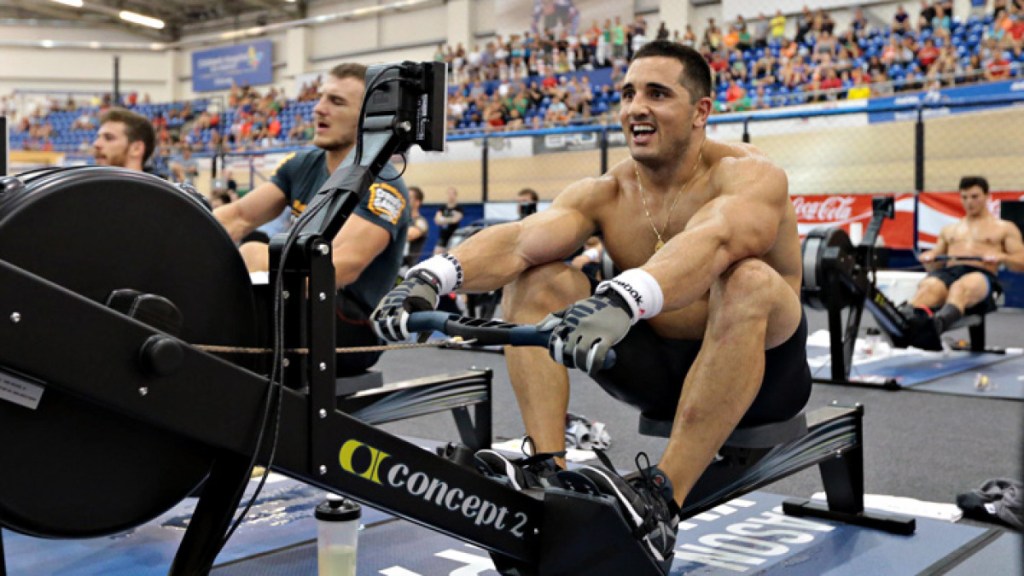
  • The Execution: Utilize a cyclical modality like rowing or an Echo bike. This must be a true 9/10 effort where you hit and maintain your peak heart rate for the final 2 minutes of every working interval. The 1:1 rest ratio is mandatory to allow your system to reset so you can hit the next round with equal intensity.

2. Aerobic Capacity: Build the Size of Your Gas Tank

The Science

While VO2 Max defines your physiological ceiling, Aerobic Capacity determines how much of that ceiling you can sustain over time. It depends heavily on peripheral adaptations such as mitochondrial content, capillarization, oxidative enzyme activity, and metabolic economy. Sustained aerobic training also improves the ability to deliver and use oxygen at a given workload. Also review training techniques to improve endurance exercise performance.

The CrossFit Application & Limitations

Aerobic capacity operates as the “metabolic vacuum cleaner” of your body. During long workouts like Murph or a 20-minute mixed-modal AMRAP, the oxidative system increasingly contributes to ATP production, helps oxidize lactate through the lactate shuttle, and allows you to sustain work without relying as heavily on higher-cost anaerobic pathways.

The common limitation here is the “one-gear athlete”: someone who can sprint like a rocket for three minutes but completely falls apart by minute ten because they lack the aerobic machinery to sustain output, recover between efforts, and maintain metabolic stability as fatigue accumulates.

Overcoming the Limitation

One of the most effective ways to expand the fuel tank is through regular low-intensity steady-state work, commonly referred to as Zone 2. The purpose is to accumulate meaningful aerobic volume at an intensity low enough to remain sustainable and repeatable without creating excessive fatigue.

The Workout Protocol: The Low-Gear Flush
  • The Format: 30, 45, 60, and eventually even 90 minutes of continuous movement. This can be performed as a single modality or as carefully selected mixed-modal work
  • The Execution: Row, ski, jog, bike, or use low-complexity mixed-modal MAP 10-style training. Exercise selection should remain simple enough that local muscular fatigue does not become the limiter. Work at an intensity just below your first ventilatory/lactate threshold. For most recreational athletes, the easiest practical check is the talk test: you should be able to carry on a continuous conversation without gasping.

    The goal isn’t to chase fatigue. It’s to accumulate high-quality aerobic work that supports mitochondrial adaptation, capillarization, improved oxygen delivery and utilization, and better recovery between harder efforts.

The Intent

The intent is to build aerobic durability, not simply burn calories or “get some cardio in.”

You are trying to improve the athlete’s ability to:

  • sustain a greater percentage of VO2 max;
  • produce ATP aerobically for longer;
  • recover more quickly between harder bouts;
  • rely less heavily on glycolytic contribution at a given workload;
  • and accumulate training volume without adding substantial recovery cost.

The Expected outcome

Athletes should gradually see:

same pace/power with lower HR and lower perceived effort
or:
same HR/perceived effort with higher sustainable pace or power

They should also recover faster between rounds and movements, maintain steadier pacing deeper into longer metcons, and experience less of the “three minutes great, ten minutes dead” pattern.

That is the adaptation you want.

3. The Lactate Threshold: The Boundary Line

The Science

The Lactate Threshold (LT) is the exact exercise intensity at which blood lactate accumulates faster than your body can clear it. Once you cross this line, hydrogen ions flood the muscle tissue, acidity skyrockets, and rapid muscular failure can happen more easily. Also worthy of note is that contemporary physiology treats lactate production as associated with, and in some contexts helpful in managing, proton accumulation rather than being the acid-producing villain it was once considered.

The CrossFit Application & Limitations

CrossFit workouts are systematically designed to force you over your LT. When your forearms freeze up on pull-ups, or your legs turn to lead on wall balls, you have crossed the line. The limitation isn’t necessarily that elite athletes don’t produce lactate; it’s that they have trained their bodies to work right on the razor’s edge of their threshold (often at 85–90% of their max heart rate) without tipping over into a catastrophic redline.

Overcoming the Limitation

To push your threshold higher, you must spend extended intervals, over time, at or just below that uncomfortable boundary line, helping you adapt to buffer acidity more efficiently.

The Workout Protocol: Threshold Repeaters

  • The Format: 3 Rounds of 10 Minutes on, 3 Minutes Active Recovery.
  • The Execution: On an Assault Bike, Echo Bike, or rower, maintain a pace that feels “comfortably hard.” Your breathing should be deep and rhythmic, but you should not be gasping. The goal is to keep output relatively consistent across all three intervals. If your pace drops sharply from round to round, you went out too hard. Back off slightly and hold the line.

4. Rate Pressure Product (RPP): The Myocardial Tax
The Science

Rate Pressure Product (RPP) is calculated as Heart Rate × Systolic Blood Pressure. It is the premier clinical index used to measure the actual physical workload and oxygen demand placed directly on the muscle walls of your heart (myocardial oxygen consumption) NCBI Myocardial Strain.

The CrossFit Application & Limitations

In standard cardio like running, RPP climbs smoothly and predictably. In CrossFit, RPP spikes violently. When you perform high-rep, moderately heavy lifting (like clean & jerks, thrusters, or deadlifts), your contracting muscles physically compress your local blood vessels. This is called muscular occlusion. To force blood past these squeezed vessels, your blood pressure skyrockets. Combined with an elevated heart rate, your heart faces an extreme workload. This sudden “myocardial tax” explains why a short lifting metcon can leave you far more exhausted and lightheaded than a long run.

Overcoming the Limitation

You cannot bypass the physics of muscular occlusion, but you can manipulate your execution mechanics to give your heart and local capillary beds micro-breaks.

The Workout Protocol: Building The Tactical Single

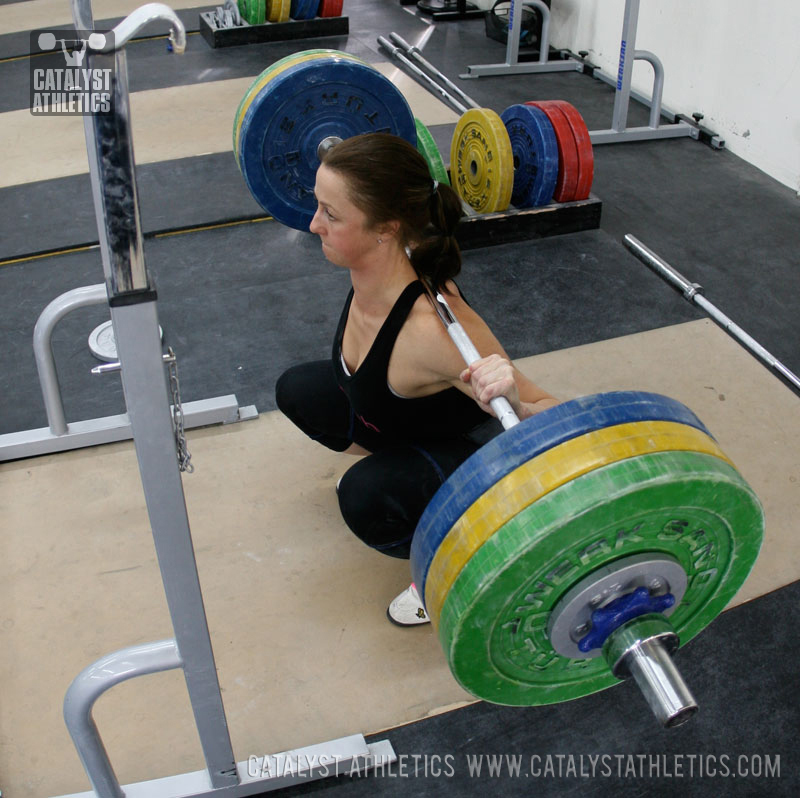
  • The Format: For Time: 20 Squat Cleans at 75% of your 1RM.
  • The Execution: As many of you already know, it’s best not to do touch-and-go reps at this weight. Instead, perform steady singles ~every :10-:12. Also, always use the hook grip. Utilizing the hook grip locks the hand mechanically to the bar vs holding on to it. This drastically reduces the active muscle contraction required by your forearm and wrist flexors during the pull. Also, the exact moment you stand fully, with the hips and knees reaching full extension, drop the bar. Dropping the bar and releasing the grip unlocks the muscular occlusion, causing an immediate burst of fresh, oxygenated blood (reactive hyperemia) that flushes out trapped hydrogen ions, drops peripheral vascular resistance, and can lower peak RPP stress.

5. Cardiovascular Drift: The Pacer’s Enemy

The Science

Cardiovascular Drift (CV Drift) is the phenomenon in which heart rate gradually rises over the course of prolonged exercise even though power output, speed, or physical intensity remains constant (Wikipedia’s Cardiovascular Drift Analysis).

The CrossFit Application & Limitations

As you sweat during a long, hot workout, plasma volume can fall and stroke volume can decrease. As stroke volume falls, heart rate rises in an attempt to maintain cardiovascular output and sustain the same workload.

The limitation here is a pacing trap: if you pace a 30-minute workout (or 60 minute workout) purely by how your muscles feel in the first five minutes, cardiovascular drift can progressively increase the relative cardiovascular cost of that same pace, eventually pushing you toward or beyond a sustainable threshold and causing a late-workout collapse.

Overcoming the Limitation

Defeating cardio drift requires a combination of situation-specific hydration and active, conscious down-regulation of your nervous system during transitions.

The Workout Protocol: Murph Drift Prevention

The Format: 3 Rounds
2–3 Minutes of controlled running at a predetermined, repeatable pace
1–2 Rounds of Cindy
5 Pull-ups
10 Push-ups
15 Air Squats
1 Minute walking recovery while deliberately relaxing the hands, shoulders, and jaw and regaining controlled breathing
2–3 Minutes on the BikeErg at a predetermined, repeatable split or wattage
1–2 Rounds of Cindy
1 Minute walking recovery with the same down-regulation focus

The full session should initially fall somewhere around 30 minutes.

Scaling the Prescription
For newer athletes, begin with one round of Cindy after each monostructural effort. Across three rounds, that produces six total rounds of Cindy:

  • 30 Pull-ups
  • 60 Push-ups
  • 90 Air Squats

That’s enough volume to provide meaningful exposure to the movements without allowing local muscular endurance to overwhelm the cardiovascular purpose of the session.

For experienced recreational CrossFit athletes who already tolerate gymnastics volume well, two rounds of Cindy is entirely appropriate. Across the session, that produces twelve total rounds:

  • 60 Pull-ups
  • 120 Push-ups
  • 180 Air Squats

The determining factor is not whether the athlete can complete the higher volume. It is whether they can complete it while preserving full range of motion, movement integrity, and the intended pacing stimulus.

If the pull-ups deteriorate, the push-ups become half reps, or the squats lose depth simply to keep moving, the athlete has changed the limitation being trained. Local muscular failure has taken over the session.

Scale before that happens. Scaling does not diminish the work. Poor repetitions do.

The Execution

The monostructural pieces should be performed at a fixed, repeatable external workload, not by chasing a predetermined heart rate.

For example:

  • Run at the same pace each round.
  • Hold the same BikeErg wattage or split each round.

Then observe what happens to heart rate. If the athlete runs the same pace at 138 bpm during the first round, 148 bpm during the second, and 158 bpm during the third, cardiovascular drift is becoming visible.

The goal over time is not necessarily a lower heart rate at every moment. The goal is a smaller rise in heart rate while maintaining the same external work.

Several weeks later, the same athlete might produce:

138, 143, and then 148 bpm at the same running pace, same BikeErg output, and same bodyweight volume. That’s a measurable improvement.

Why the Walking Recovery Matters

The one minute walking intervals are not designed to make the workout easy. They teach the athlete to actively manage transitions rather than allowing every transition to become another uncontrolled effort.

Walk. Drop the hands. Relax the shoulders and jaw. Regain control of the breathing pattern. Then begin the next piece deliberately rather than sprinting blindly into it.

This creates repeated opportunities to practice controlling unnecessary sympathetic escalation while maintaining enough movement to keep the cardiovascular system engaged.

The athlete is learning to recover while still working. That matters in Murph, but it also matters in almost every other CrossFit workout.

Progressing the Session

Progress the workout gradually rather than simply making everything harder at once.

A simple progression might look like:

Week 1: 3 rounds with 2-minute monostructural efforts and 1 round of Cindy per station.

Week 2: Increase the run and BikeErg pieces to 3 minutes.

Week 3: Maintain duration but slightly increase the prescribed pace or power.

Week 4: For athletes demonstrating excellent movement quality and recovery, introduce a second round of Cindy at beginning or the end.

Later progressions may include longer total duration, warmer environmental conditions, and eventually a weight vest. But these progressions only happen after the athlete can maintain full range of motion and consistent pacing without the workout deteriorating into survival.

The goal is not to manufacture suffering. The goal is to build an athlete who can sustain increasingly demanding work while controlling the cardiovascular cost.

The Expected Outcome

With consistent exposure, the athlete should begin to demonstrate:

  • less heart-rate drift at the same running pace or BikeErg output
  • faster recovery during transitions
  • improved ability to maintain breathing control under accumulating fatigue
  • greater consistency from the first round to the last
  • improved tolerance of mixed-modal work without premature redlining
  • better preservation of pull-up, push-up, and squat mechanics late in the session
  • and ultimately, improved performance when those qualities are tested in longer workouts such as Murph

Murph then becomes what it should be: the expression of the capacity you developed in training, not the only place you ever practice it.

And no matter what, DO NOT cheat the reps. Do legitimate pullups, pushups, and squats. Don’t wear the vest if you can’t do the FULL ROM on every rep. Scaling does NOT diminish the work you’re doing. No one cares if you scaled the workout, everyone cares if you cheated.

A Note on System Interdependency: The Multi-Pillar Bleed-Over

While it is helpful to categorize your engine into five distinct pillars for diagnostic purposes, the human body does not operate in isolated, clinical buckets. In the human machine, a breakdown in one pillar triggers a catastrophic domino effect across multiple systems simultaneously.

Consider how easily the boundaries blur mid-workout:
If your Aerobic Capacity (Pillar 2) is weak, your body cannot efficiently clear metabolic waste. This forces you to cross your Lactate Threshold (Pillar 3) much earlier in the workout than expected. The moment you cross that threshold, your breathing becomes rapid and shallow to buffer the rising blood acidity. This frantic breathing pattern spikes your autonomic panic response and drives your heart rate up.

That spiked heart rate, combined with the heavy muscle occlusion of a lifting movement, sends your Rate Pressure Product (Pillar 4) into the red zone. Worse, the heat generated by this systemic panic accelerates sweat loss, triggering early Cardiovascular Drift (Pillar 5) and forcing you to hit your absolute VO2 Max ceiling (Pillar 1) just to maintain a basic walking pace.

You aren’t managing five separate systems; you are balancing a web. A leak in one corner of the engine will inevitably drown the rest.

For the Beginner: Avoid Learning the Hard Way

Every veteran athlete you see executing smooth, steady singles with a calm expression has a graveyard of workouts behind them where they blew up, choked on their own pace, and ended up flat on their back questioning their life choices.

As a beginner, your mind loves to learn lessons the hard way. When a coach gives you a pacing strategy, your ego will whisper, “You feel great, go faster, go unbroken.”

To bypass years of unnecessary metabolic suffering, write these three rules in your training diary of wherever you keep mission-critical information:

  1. Intensity is an Asset, Not a Strategy: Blind toughness is a finite resource. If you redline your engine in the first two minutes of a ten-minute workout, no amount of mental toughness will override the biochemistry of acidic muscle tissue.
  2. Pacing is the True Secret Sauce: Pacing isn’t about moving slowly; it’s about defending your thresholds. Your goal should be to move at a speed that allows you to finish the final minute of a workout at the exact same intensity (or faster) than your first minute.
  3. Trust the Coach’s Intent: If a coach tells you a workout should take 8 minutes, and you pick a weight that forces you to take 20 minutes, you didn’t get a better workout, you completely missed the intended physiological stimulus. You trained a different energy system entirely.

Listen to the mapmakers. The coaches and veteran athletes who came before you ran full speed into the physiological walls so you wouldn’t have to. Respect the biology, master your pacing, use the mechanical shortcuts like the hook grip, and turn your engine into a finely tuned, unstoppable machine.

The Hidden Nuances of Elite Performance

To transition fully from a standard textbook understanding of physiology to the reality of competitive sports, athletes must master two final unwritten variables:

Nuance 1: The Biomechanical Shunt – Postural Occlusion

Most people assume muscle occlusion only happens because you are lifting heavy weights. They forget about the physiological tax of changing your body’s physical position under gravity. When you transition rapidly from a horizontal position to a vertical position (like jumping up from a burpee to perform a thruster, or dropping off a pull-up bar into a heavy deadlift), your cardiovascular system has to violently shift blood pressure dynamics to prevent blood pooling in your lower extremities. Your heart has to contract significantly harder to maintain stroke volume, causing an immediate, artificial spike in your RPP.

  • The Fix: Athletes shouldn’t just pace the reps; they must pace the transitions. Taking a deliberate pause at the top of a burpee, 3-5 seconds, before grabbing the barbell allows the vascular system to normalize pressure, preventing an autonomic panic surge.

Nuance 2: The CO₂ Tolerance Deficit – The Brain’s Panic Button

Athletes often mistake a gasping, redlined feeling for a lack of oxygen. In reality, the human brain rarely panics because of low oxygen; it panics because of a buildup of carbon dioxide (CO₂). When your muscles burn, they produce hydrogen ions, which your blood buffers by turning them into CO₂. Your brain’s respiratory center detects this rising CO₂ and triggers a frantic, survival-driven command to breathe faster. If an athlete has a low tolerance for CO₂, they begin hyperventilating prematurely. This shallow, rapid breathing increases anatomical “dead space” in the airways, accelerates Cardiovascular Drift, and causes the brain’s Central Governor (model/theory) to pull the emergency brake.

  • The Fix: This explains why elite CrossFit athletes are increasingly turning to respiratory muscle training behind the scenes to optimize their engines (The Barbell Spin). Renowned coaches use these methods to elevate baseline conditioning. Targeted Inspiratory Muscle Training (IMT), using isolated breathing-resistance tools (like the O2 Trainer), acts as a legal cheat code. They do not just mechanically thicken and strengthen the diaphragm muscle to prevent it from “stealing” blood from your limbs via the respiratory metaboreflex (PMC Respiratory Metaboreflex). They force your nervous system to tolerate higher intracellular pressures and controlled CO₂ accumulation without triggering a psychological panic response (Isocapnic BWB Strength Features).

Quick Reference: Assessing and Addressing Each Limiter

• VO2 Max: Assess with all-out, short interval efforts (e.g., 4-min max effort test). Improve with high-intensity intervals at peak heart rate and full recovery.

• Aerobic Capacity: Assess with sustained efforts (e.g., 60-min continuous movement). Improve with consistent Zone 2, low-intensity steady-state work.

• Lactate Threshold: Assess with pace/effort you can hold for 20–40 minutes before sharp muscular fatigue. Improve with threshold repeat intervals at a “comfortably hard” pace.

• Rate Pressure Product: Assess with moderate-load, high-rep lifting under fatigue. Improve by managing rest, using hook grip, and breaking up reps to reduce occlusion.

  • Cardiovascular Drift: Assess by monitoring heart rate in long, hot workouts for upward drift. Improve with hydration, conscious down-regulation, and transition protocols.
  • For all limiters, log workouts and physiological responses to identify which system fails first during high-intensity sessions.

Glossary for Novices

• VO2 Max: The maximum amount of oxygen your body can use during intense exercise.

• Aerobic Capacity: How long you can sustain exercise using oxygen efficiently.

• Lactate Threshold: The intensity where your body starts accumulating fatigue-causing byproducts faster than it can clear them.

• Rate Pressure Product: A measure of how hard your heart is working (heart rate × blood pressure).

• Cardiovascular Drift: When your heart rate rises during long workouts even if you’re not working harder.

• Muscular Occlusion: When working muscles temporarily restrict blood flow because they’re contracting.

• Angiogenesis: The process of growing new blood vessels.

• Reactive Hyperemia: The rush of blood that occurs when a muscle relaxes after being contracted.

• Central Governor: The brain’s way of limiting effort to protect you from harm.

• Zone 2: A training intensity where you can carry on a conversation easily, usually 60–70% of your maximum heart rate.

Refer to this glossary as you read, and use the quick reference section to help guide athlete assessments and target training interventions.


Ladies, Lifting Weights Won’t Make You “Bulky,”  It Will Make You Stronger, Healthier, and Harder to Break

Ever take a look in the mirror after your first week of serious lifting and thought, “Wait, am I getting bigger?” Here’s what’s really happening…

The Real Problem Isn’t Lifting, It’s Perception

Most women don’t avoid lifting because they’re lazy. They avoid it because they’ve been given the wrong framework. Somewhere along the way, strength training got tied to a single fear:

“If I lift weights, I’ll get bulky.”

That belief isn’t based on physiology. It’s based on misunderstanding. And if the foundation is wrong, every decision built on top of it will be, too.

Think: Understand What Actually Drives Muscle Growth

Muscle doesn’t appear by accident.

It requires:

  • Progressive overload
  • Sufficient calorie intake
  • Adequate protein
  • Consistency over months and years

Even under ideal conditions, muscle growth is slow.

Now layer in reality:

  • Women have significantly lower testosterone levels
  • Most people are not eating in a surplus
  • Most training programs are not optimized for maximal hypertrophy

The result?

Most women don’t accidentally get bulky. They struggle to build muscle at all.

Lift: Train for Strength, Not Fear

If your goal is to be healthier, stronger, and more capable, your training should reflect that.

That means:

  • Lifting with intent
  • Progressively increasing load over time
  • Training consistently across weeks, months, and years

Not:

  • Avoiding moderate to heavy weightlifting
  • Staying in low-intensity comfort zones
  • Making decisions based on appearance fears

Because here’s the reality: Strength training builds overall capacity, not excess.

Quick Facts: Muscle vs. Bulk

– Muscle gain is slow and is achieved intentionally, not accidentally.

– Most women gain strength, improved muscle tone, and confidence, not size.

– Temporary changes (pump or water retention) fade within hours to days.

What most women experience when they lift properly:

  • Improved muscle tone
  • Better posture
  • Increased strength
  • Reduced body fat
  • Higher confidence in movement

That’s not bulk. That’s functional strength.

Live: Strength Is a Long-Term Investment

This is where the conversation shifts. Not aesthetics. Not trends. Outcomes.

If you don’t build strength over time:

  • Muscle mass declines with age (sarcopenia)
  • Bone density decreases
  • Injury risk increases
  • Daily tasks become harder
  • Metabolic health worsens

This isn’t hypothetical. It’s guaranteed to happen to everyone.

Now flip that and you’ll find that strength training supports:

  • Longevity and independence
  • Bone density and joint health
  • Metabolic resilience
  • Cognitive and emotional stability
  • The ability to live life without unnecessary limitation

Strength training isn’t just about today’s confidence, it’s your ticket to stronger bones, better balance, and staying independent for decades. That’s why a change in mindset is important.

Thinking before: Avoided weights, worried about getting ‘big.’

Thinking after: Trained with intention, gained strength, energy, and self-assurance, no bulk in sight.

What “Bulky” Actually Means and Why It’s Misunderstood

Most people don’t define “bulky” clearly.

In practice, what they’re reacting to is:

  • Seeing muscle definition for the first time
  • Temporary muscle fullness (“pump”): This can cause a temporary feeling of ‘swelling’ or looking puffier, don’t panic. It’s just increased blood flow and water retention in the muscle, and it fades quickly.
  • A change in body composition they’re not used to

Actual muscular size:

  • Takes years to build
  • Requires intention
  • Requires nutrition to support it

You don’t drift aimlessly into it, and you couldn’t even if you tried.

The Reality Most People Don’t Say Out Loud

Many women would benefit from more muscle, not less.

In fact:

  • Many struggle to gain even a few pounds of lean mass
  • Many under-eat relative to their activity
  • Many never train with enough load to stimulate growth

The result isn’t “too bulky.”

It’s:

  • Underdeveloped strength
  • Lower resilience
  • Missed potential

Action: Train Systematically, Not Emotionally

Scientific Insight:

A 2022 study in the Journal of Strength and Conditioning Research found that women who strength trained 2–4x per week improved bone density, confidence, and body composition, without significant increases in body size.

The World Health Organization and American College of Sports Medicine both recommend women include strength training at least two days per week for optimal health, resilience, and longevity.

If your decisions are driven by fear, your results will be limited.

Instead:

  • Train 2–4x per week with resistance
  • Focus on progression, not perfection
  • Eat enough protein to support recovery
  • Give it time

Let outcomes guide adjustments, not assumptions.

Coach’s Notes

  • Muscle is difficult to build and easy to lose. Act accordingly.
  • Strength is protective. It supports everything else you do.
  • If you ever reach a point where you feel “too muscular,” you can adjust. But, fear not, 99% of the population never even get close to that point.

Final Thought

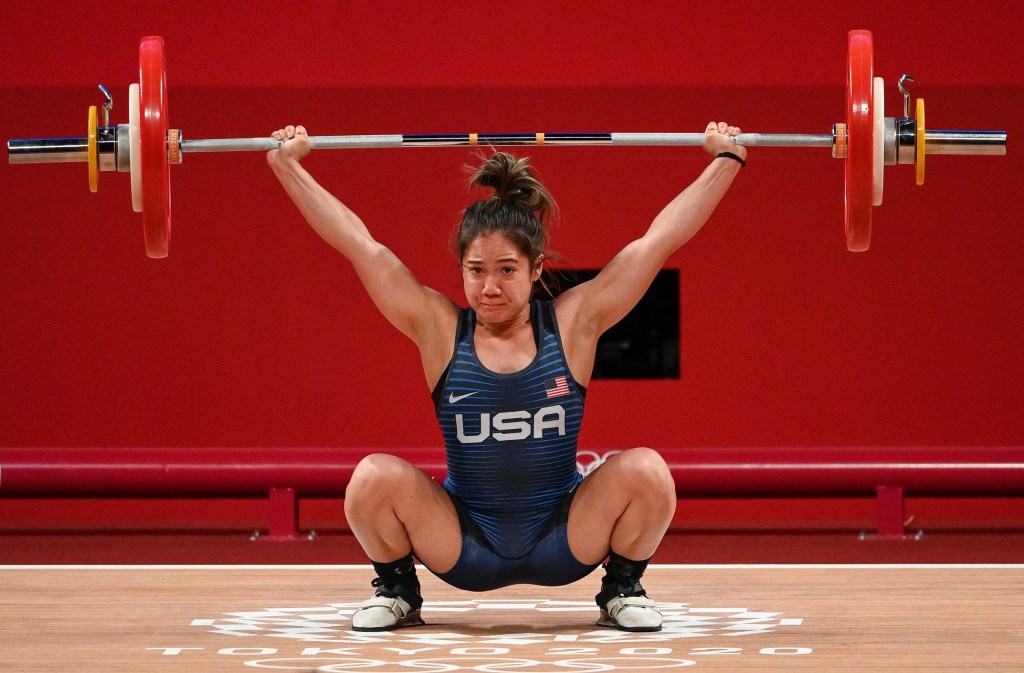
I doubt Olympic Weightlifters like Olivia Reeves or Mattie Rogers ever think twice about “getting too bulky,” and you shouldn’t either. Strong women aren’t bulky; they’re confident, capable, and resilient.

The goal is to become stronger and more capable. That means more strength, more tenacity, more control over your body, and your overall well-being.

So always remember, lifting weights won’t make you bulky. It will make you unbreakable.

Fuel to Perform: The Athlete’s Edge in Everyday Eating

If you show up on the mats, under the barbell, or work hard to refine your gymnastic skills with any kind of serious intent, you’re not just training. You’re preparing and refining, often asking your body to do more than the day before. In our world, what you eat becomes the difference between a “good session” and a “great session,” and between strategic recovery and systemic breakdown. It’s the small details that separate showing up from showing out!

Let’s skip the noise and get tactical: how do semi-competitive athletes or serious recreational competitors fuel performance when life’s messy—work, travel, kids, and tired mornings? Let’s make it real.

The Big Picture

Research shows nutrient timing matters, especially around workouts. The ISSN says, “Purposeful ingestion of nutrients at various times throughout the day” (source) supports strength, power, body composition, and performance.

But for your average serious athlete? The “anabolic window” isn’t a specific, narrow window where you must cram in a meal. That “window” is basically as wide as a garage door. You don’t need perfect timing; it’s about being prepared at the right time.

Three Fuel Strategies That Work

1. Pre-training Anchor Meal
Eat something 60-90 minutes before your session: a moderate amount of carbs, lean protein, and a lighter amount of fat. Example: oatmeal with banana + a scoop of whey or Greek yogurt. Why? You’re topping off glycogen and priming your engine. If you train early and can’t eat, choose a liquid option: an easy-to-digest protein and carb-balanced smoothie.

2. In Training Mini Feeding (When It’s Longer or More Intense)
If your session lasts more than 60 minutes or you’re doing back-to-back days, plan a quick carb hit mid-session (30–60g) and hydrate thoroughly. Why? To prevent an energy crash during your training and help protect your neurologic control.

3. Post Training Recovery Meal
Hit carbs + protein within 1–2 hours after intense work. Aim for a carb-to-protein ratio of roughly 3:1 to 4:1. Why? To replenish muscle glycogen, repair muscle, and prepare for your next session. Example: 4-6oz chicken breast, 1/2 sweet potato, 1 cup of roasted veggies drizzled with garlic-infused olive oil + 1 banana + 1 tbsp peanut butter.

How to adjust for workload (without going neurotic)

• Light day/skill day: Reduce carbs by ~20–30% and keep protein moderate.
• Heavy day/max effort session: Increase carbs by 10–20%, keep protein steady.
• Rest day: Keep protein consistent, reduce carbs/fats based on hunger, not fear.

You don’t need daily macro spreadsheets. Just know your baseline, use a fuel strategy, and build awareness. This gets easier each week and with every rep.

matt shannon glory days of crossfit


Notes from the Field

I’ve watched CrossFit athletes and tactical team members burn themselves out because they consistently skipped their pre-session carbs or failed to track and meet their protein intake for 2 or 3 consecutive days. When your training really matters, you have to treat eating like it’s a part-time job. I’ve run a meal prep business, coached fighters, been a fighter, and lived and trained overseas. I know that life because I’ve lived and breathed it for years. Fueling with purpose is fundamental.

Super Simple Action Steps You Can Take This Week

Pick one heavy training day and one rest/light day. Write down your usual food. For the heavy day, increase pre- and post-training carbs. On a rest day, maintain a steady protein intake and reduce carbohydrates by approximately 20%. Have a pre-workout anchor meal 60 minutes before a session. Note your energy, focus, and performance.

Log your post-training recovery meal within 2 hours after a session—get your carb and protein hit. Track how you feel the next day.

The key takeaways: Fuel consistently, match carbs to your workload, prioritize recovery, and make eating part of your training routine.

Train. Eat. Recover. Repeat.

If you’re training to lead from the front, fuel like someone already ahead of the pack.

Discipline Over Flash: 30 Strict Pull-Ups for Time

Most workouts have a loophole. If you know how to do them, you can kip and be done in less than a minute. Most dudes who do “pull-ups” cheat the range of motion like it’s a professional sport by never fully extending at the bottom, and/OR do NOT get their chins over the bar. But, every now and then, rules will strip everything away and reveal the raw truth.

That’s the point of this challenge: 30 strict pull-ups for time.

The rules are simple but tough:

  • Must be done in sets of 5 or 10 only. No singles, no doubles, and no kipping (this time).
  • NO half a$$ Pete Hegseth or RKF, Jr. reps.
  • Full extension at the bottom. Elbows locked out every time.
  • Chin over the bar at the top. No “almost” reps. No, “I was so close that time.”
  • Discipline over ego.

My time? Watch and see.

But the question you might be asking is, “Why Does This Even Matter?”

This is more than a physical test; it’s a mindset test, like the pressure faced in cybersecurity, leadership, or life.

Here’s what the workout teaches:

  1. Constraints Make You Stronger
    Without the rule of “5 or more reps per set,” you’d see people game the system: 30 singles, done easily, no challenge. But rules force focus. They push you past your comfort zone and into real growth.

Cloud security works on the same principle as the pull-up challenge: doing things the hard, correct way leads to lasting results. In cloud security, if you make permissions too loose or skip essential controls, it seems easier—just like doing easier pull-ups. But real security comes from applying restrictions such as least privilege, multi-factor authentication, and segmentation. These are to security what strict form is to strength: they are challenging but essential for durability.

2. Form Is Discipline
Locking out every rep is about integrity. Cutting corners in training leads to cutting corners under stress.

Cyber pros know the drill: if you skip patch cycles, code reviews, or alerts, you won’t suddenly excel in a crisis—you will perform only as well as your training prepared you. The point is: in emergencies, people don’t ‘rise to the occasion’; they revert to their standard preparedness.

3. Speed Comes From Structure
Strict pull-ups in just over 2 minutes require planning: strict adherence to set sizes, rest, and when to push or hold back.

Incident response follows the same principle: structured speed is essential. Success comes from following practiced processes, not from last-minute effort.

4. Resilience Beats Flash
Nobody remembers the person who did 20 kipping pull-ups that looked good on Instagram but didn’t count in this instance. The athletes who succeed in the gym or in life are those who can perform strict reps under pressure, year after year.

Resilience isn’t glamorous. It’s strict adherence to form and standards. Reps stacked and basics drilled.

Closing Thoughts

Thirty strict pull-ups for time really isn’t about the number. It’s about the mindset: constraints, no ego, and the discipline not to go again sooner than you can complete at least another set of 5, along with persistence under pressure.

The lessons extend beyond workouts. Whether you’re securing cloud environments, writing policies, or leading teams, following real constraints, practicing discipline, and building resilience are as vital as adhering to strict form in your pull-ups when required.

Constraints can make you sharper. Discipline makes you stronger. Resilience makes you unbreakable.

Persistence Beats Perfection

Chasing perfection can be tempting. It makes us believe that if we get everything exactly right, like following a flawless training plan or a perfect patch cycle, we’ll be safe from risks or mistakes. But perfection is fragile. One mistake or setback, and it falls apart. That’s when persistence matters most.

Persistence, on the other hand, is unbreakable and endures where perfection falters.

Anyone who’s trained in martial arts or strength sports knows some days you set PRs, some days you don’t. Some days you win; other days, you learn. The outcome of a single session doesn’t matter; what counts is that you keep showing up.

Cybersecurity runs on the same principle. Rather than expecting flawless results, it relies on the daily commitment, running scans, monitoring logs, and applying updates, which builds resilience over time.

Why Perfection Fails

  • Unrealistic expectations: Nobody patches everything at once. Expecting to do so leads to burnout.
  • Procrastination: Waiting until you can do it “perfectly” means it never gets done.
  • Fragility: Perfection breaks under stress; persistence adapts.

Why Persistence Wins

  • Consistency compounds. One small patch today, another tomorrow, adds up to systemic strength.
  • Resilience under pressure. When incidents occur, teams that have developed daily habits respond more quickly.
  • Adaptability. Persistence isn’t rigid; it bends, adjusts, and continues forward.

The Martial Arts Parallel

Martial artists don’t achieve mastery through perfection. They drill basics until instinctive, spar, fail, and adapt. Each session is about persistence; the discipline of returning to the mat, working on strikes, footwork, counter-wrestling, etc, etc.

Cybersecurity professionals must do the same. Drill, repeat, refine, and drill some more. That way, when the attacks come, your persistence in training wins the day.

Closing Thought:
Persistence, not perfection, is the key to success. Perfection is unattainable, persistence ensures progress, and tangible results.

Fueling Your Cybersecurity: How To Eat Right for Cyber Success

Cybersecurity incidents don’t care how well you slept or ate. They happen anytime. If your body feels slow, your mind will too.

That’s why nutrition isn’t just about physique or gym numbers. It’s about resilience.

A strong body fuels a sharp mind, which makes you a stronger IT professional.

Before jumping in, you might ask: how do you build nutrition habits that fuel performance, even under pressure? Let’s break it down with these five rules:

Rule #1: Always Eat Protein First

If there’s one macro nutrient that changes everything, it’s protein. Most people under-eat it, even those who train.

  • Why it matters: Protein saves muscle, keeps you full longer, and helps your body burn more calories.
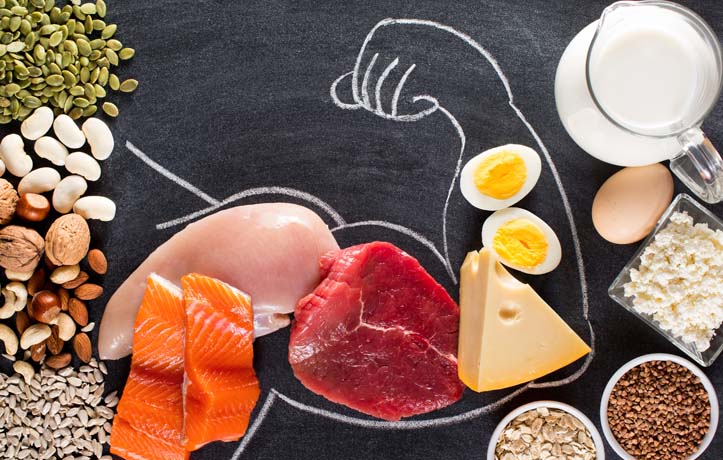
  • Aim for .75 to 1g per pound of lean or target body weight. Spread it across meals: eggs at breakfast, chicken or beef at lunch, fish at dinner, or a shake if needed.

Think of protein like a system update: without it, your body gradually weakens until you notice it, and by then it’s too late.

Carbs, like protein, provide 4 calories per gram.

Carbs get demonized needlessly. If you train hard, they’re your gas pedal—not optional.

  • Performance: Carbs fuel high-intensity efforts (CrossFit, sprints, heavy lifts). They refill glycogen so your “engine” doesn’t sputter.
  • Focus: Complex carbs—including all fruits, vegetables, and grains like rice—keep blood sugar steady. That means steady energy and fewer crashes.

The key isn’t cutting carbs. What matters is eating quality carbs at the right times.

  • Hard training days? Eat more.
  • Recovery days? Dial it back a bit.

Rule #3: Fats – The Slow-Burn Energy Source

Fats do not give quick energy like carbs, but they help you last longer. Fats are essential for hormone production, brain function, and recovery.

  • Prioritize avocados, nuts, olive oil, walnut oil, and sesame oil, as well as grass-fed, wild-caught and free-range meats.

Most people do well with 20–30% of their calories from fat. That’s enough for health but not too much.

Rule #4: Hydration = Cognitive Uptime

Mild dehydration tanks focus faster than hunger. For IT pros, that’s dangerous.

  • Target: ½ gallon per day minimum.
  • Use electrolytes during long training or extended incident calls.

Think of hydration as uptime. Skip it, and your system crashes.

Rule #5: Structure Beats Willpower, Every Time

No one does well by guessing. Like securing a system, lasting results come from discipline and routine.

  • Meal prep → Simple, repeatable meals built ahead of time.
  • Macro targets: track for a few weeks until you get the feel.
  • Boundaries: Sleep, fuel, and downtime are mandatory security controls.

The goal is not perfection; it’s persistence. Remember, chasing perfection can actually slow your progress. Aim for 80 to 90 percent consistency for the best results.

Closing Thoughts

Nutrition is about training, discipline, and resilience, and it all starts with each meal.

Forget fad diets, quick fixes, and guilt. Focus on what helps you daily: sufficient protein, good carbs, healthy fats, water, and sticking to a plan that eliminates guesswork.

Anyone with a strong body and sharp mind doesn’t just survive the grind; they thrive in it.

Soon, I’ll show you how to build simple, sustainable meal prep systems. You can protect your body and mind just like you protect your network: with structure and planning.

Do You Even Eat Bro? Why Meal Prep Is Security for Your Health

matt shannon_nutrition crossfit
  • Plan ahead, or get hacked by junk food. If you don’t have meals ready, DoorDash or the vending machine will win.
  • Build guardrails, or chaos takes over. Structure (shopping lists, prepped meals, set eating windows) keeps you from drifting.
  • Stay consistent, and resilience follows. Just like training or cybersecurity, it’s the boring reps that make you strong when it counts.
nutrition for busy professionals
discipline_paleo fitness_crossfit

That’s why I still fall back on three rules that anyone can run with:

  1. Prep protein in bulk → Grill or roast a few pounds of chicken, beef, or fish. Protein is the foundation; everything else is garnish.
  2. Keep easy fruits & veggies on hand → Frozen, bagged, or pre-chopped. Don’t overcomplicate it. Rotate what you like.
  3. Don’t skip fats → Avocado, olive oil, nuts. They keep your hormones happy and your brain sharp when the day gets heavy.

New Deadlift PR: 234kg/515lbs for a Double

Enhance Your Olympic Weightlifting with Traditional Strength Training & Post Activation Potentiation (PAP)

This 8-week program is designed to improve overall strength, explosive power via Type IIx muscle fiber development, and speed in the clean using traditional strength training methods and post activation potentiation (PAP). PAP involves performing heavy strength exercises followed by explosive movements to enhance neuromuscular performance.

Program Structure & Purpose of This Method of Training

  • Weeks 1-4: Strength and Hypertrophy Focus

Builds a solid foundation of strength in the specific movements and build overall muscle mass.

Emphasis is on moderate to heavy weights with traditional strength training methods.

  • Weeks 5-8: Explosive Strength and Speed

Increase the focus on explosive movements and speed.

Utilize PAP techniques to develop explosiveness in the lifts and maximize power output.

Weekly Training Schedule

Monday: Strength and Clean Technique

  1. Clean: 5 x 3 reps dropping each rep from the top, focusing on as close to perfect reps every set

Focus on technical perfection/bar control in all positions.
Intensity: 70-80% of 1RM; rest 2-3mins between sets

B. Front Squat: Sets: 4

Reps: 6-8 (Weeks 1-4)

Reps: 4-6 (Weeks 5-8)

Intensity: 75-85% of 1RM

C. Romanian Deadlift – sets: 3 x 8-10; rest 2

D. Pull-Ups Sets: 4 x reps: 8-10 (weighted if possible); rest :90secs

E. Trunk Work – Russian Twists & leg raises – sets: 3 x 15-20; rest 1min b/t sets

Tuesday: Traditional Strength and PAP

  1. Back Squat 5 x 5; rest 2-3 mins b/t sets — Intensity: 80-85% of 1RM
  2. Clean Pull (Heavy) Sets: 4 x 3 — Intensity: 90-110% of clean 1RM
    PAP Complex: 3 sets
    C1. Heavy Back Squat: 3 reps at 85-90% of 1RM
    C2. MAX Vertical Jump: 3-5 reps immediately after each squat set; Rest: 2-3 minutes between complexes
    D. Shoulder Press: Sets: 4 x 6-8

Wednesday: EASY MAP 10/Active Recovery/Mobility

MAP 10 for 30-45 minutes or mobility work and stretching focusing on hips, shoulders, and ankles

Thursday: Strength and Clean Technique

  1. Clean: Sets: 5 x 3

Intensity: 75-85% of 1RM

Focus on bar control in the first pull and FINISHing the second pull with maximal bar speed.

B. Deadlift – Sets: 4

x 5-6 (Weeks 1-4)

x 3-4 (Weeks 5-8)

Intensity: 80-90% of your CLEAN DL 1RM

C. Push Press – Sets: 4 x 6-8

D. Barbell Rows – Sets: 4 x 8-10

E. Trunk Work (Hanging Leg Raises, Side bends with empty bar on your back) – Sets: 3 x 15-20

Friday: Explosive Strength and PAP

PAP Complex: 3 sets

A1. Heavy Front Squat – 3 reps at 85-90% of 1RM; rest :10secs

       A2. Clean from Blocks: 3 reps (at 60-75%) immediately after each squat set; rest: 2-3 minutes between complexes

B. EXPLOSIVE Box Jumps 3 x 5; focus on one rep at a time being as explosive as possible; rest 1 min

C. Push Jerk 4 x 4-6; rest 2

D. Glute Ham Raise 3 x 15

Saturday: Accessory Work and Recovery

  1. Snatch Technique work (Light) 5 x 3 – Intensity: 60-70% of 1RM
  2. Overhead Squat 4 x 6-8
  3. Seated Dumbbell Shoulder Press 3 x 12-15

    D1. Banded Face Pulls 3 x 15; rest 0
    D2. Banded upright rows 3 x 15; rest 1

Sunday: Rest and Recovery
Full rest day to allow for recovery and muscle repair.

Detailed Program Highlights and Emphasis

Weeks 1-4: Strength and Hypertrophy Focus

Volume and Intensity:

Higher volume with moderate to heavy weights.

Focus on building a strong foundation with hypertrophy and strength work.

Snatch & Clean Technique:

Emphasize proper form and technique in the snatch & clean.

Use moderate weights to allow for technique improvements.

Traditional Strength Training:

We’ve incorporated compound lifts like squats, deadlifts, and presses to build overall strength. We also routinely rotate accessory exercises that target specific muscle groups to build positional strength.

Weeks 5-8: Explosive Strength and Speed

Volume and Intensity:

Increase intensity with heavier weights and lower reps.

Focus on explosive movements and speed strength.

Snatch + Clean & Jerk Technique:

Continue emphasizing technique but increase intensity to prepare for maximal lifts.

Post Activation Potentiation (PAP):

Use PAP complexes to enhance explosive power.

Perform heavy strength exercises followed by explosive movements to maximize power output.

Plyometric Training:

Incorporate plyometrics once a week to improve explosiveness and speed.

Exercises like box jumps and cleans from blocks complement the strength work.

Recovery and Nutrition — all around the world it’s the same song, it’s the same old song!

Sleep – Aim for 7-9 hours of quality sleep per night to support muscle recovery and growth.

Nutrition – Protein: Consume 1.6-2.2 grams of protein per kilogram of body weight daily to support muscle repair.

Carbohydrates: Ensure adequate carbohydrate intake to fuel workouts and replenish glycogen stores. Include complex carbs like whole grains, fruits, and vegetables.

Healthy Fats: Incorporate healthy fats from sources like avocados, nuts, seeds, and olive oil to support overall health and hormone production.

Hydration – Stay well-hydrated to maintain performance and facilitate recovery. Don’t forget your electrolytes!

Active Recovery – Incorporate light activities such as MAP 10, kayaking, swimming, walking, yoga, or stretching on rest days to promote blood flow and reduce muscle soreness.

Monitoring Progress

Tracking your progress is essential for adjusting your program and ensuring continuous improvement.

Use a training log to record your workouts, including weights used, sets, reps, and any relevant notes on how you felt during each session.

Regular Testing: of your 1RMs to gauge strength improvements and adjust training intensities accordingly.

Adjustments – be sure to make them based on your progress and recovery. Then you can modify variables such as intensity, volume, and exercise selection to avoid plateaus and continue to make training fun and make sure youre maximizing your gains.

Final Thoughts

This 8-week Olympic weightlifting program combines traditional strength training with post activation potentiation (PAP) to enhance strength, explosive power, and speed in the and clean. By following this structured and periodized approach, you can achieve significant improvements in your lifting performance. Stay consistent, prioritize proper form, and adjust the program as needed to continue progressing toward your Olympic lifting goals. I hope you’ve enjoyed this article and that you find it beneficial in your training. Ive been writing individual and team/group training plans for almost two decades and am very passionate about helping folks achieve their goals. If you need helping to achieve your goals let me know and Id be happy to help you, too. Until next time, all the best!

Hypertrophy Phase for Building Strength in the High Bar Back Squat

Here’s a sample 8-Week Hypertrophy Phase for Building Strength in the High Bar Back Squat.
The high bar back squat is a foundational exercise for developing leg strength, power, and muscle hypertrophy. This 8-week hypertrophy program focuses on squatting twice a week, with an emphasis on high-repetition sets in the 15-20 rep range to stimulate muscle growth. Complementary accessory exercises, proper recovery, and nutrition are also crucial for maximizing gains during this phase.

Program Overview
The 8-week hypertrophy phase is divided into two 4-week blocks. Each block progressively increases the intensity and volume of your workouts to optimize muscle growth and strength. The program includes two squat sessions per week, supplemented with accessory exercises to target supporting muscle groups and ensure balanced development.

Week 1-4: Volume Accumulation

Focus: Build a foundation of muscle mass and muscle endurance.

  • Rep Range: 15-20 reps
  • Intensity: 50-60% of 1RM
  • Frequency: Twice per week

Week 5-8: Intensification

Focus: Increase intensity, maintaining high volume, and technical proficiency.

  • Rep Range: 12-15 reps
  • Intensity: 60-70% of 1RM
  • Frequency: Twice per week

Weekly Training Schedule

– Monday: High Bar Back Squat Focus

  • High Bar Back Squat: 4 sets of 15-20 reps
  • Romanian Deadlifts: 3 sets of 15-20 reps
  • Bulgarian Split Squats: 3 sets of 15-20 reps per leg
  • Front Foot Elevates Split Squat (FFESS): 3 sets of 20 reps – 10 per leg
  • Single leg, body weight calf raises: 3 sets of 20-25 reps

– Thursday: High Bar Back Squat Focus

  • High Bar Back Squat: 4 sets of 15-20 reps
  • Walking Lunges: 3 sets of 15-20 reps per leg
  • Front Squats: 3 sets of 10 reps at 40-50%
  • Frog Pumps: 3 sets of 15-20 reps
  • Tib Raises: 3 sets of 30 reps

Week 5-8 Adjustments

As you progress into the second block, increase the intensity by raising the weight and slightly lowering the rep range to 12-15 reps per set while maintaining the same structure and exercise selection.

Monday: High Bar Focus

  • High Bar Back Squat: 4 sets of 12-15 reps
  • Romanian Deadlifts: 3 sets of 12-15 reps
  • FFESS: 3 sets of 12-15 reps per leg
  • Reverse Hyper: 3 sets of 12-15 reps
  • Single leg, body weight calf raises: 3 sets of 15-20 reps

Thursday: High Bar Focus

  • High Bar Back Squat: 4 sets of 12-15 reps
  • Walking Lunges: 3 sets of 12-15 reps per leg
  • Front Squats: 3 sets of 10 reps at 40-50%
  • Frog Pumps: 3 sets of 15-20 reps
  • Tib Raises: 3 sets of 15-20 reps

Recovery and Nutrition: Prioritizing recovery and proper nutrition is crucial for maximizing gains during the hypertrophy phase:

Sleep: The NUMBER 1 thing you can fix to see increases in the gym — adequate rest and recovery! Aim for 7-9 hours of quality sleep each night to support muscle recovery and growth.

Nutrition:

Protein: Consume 1.6-2.2 grams of protein per kg of body weight daily to support muscle repair.

Carbohydrates: Ensure adequate carbohydrate intake to fuel workouts and replenish glycogen stores. Include complex carbs like whole grains, fruits, and vegetables.

Healthy Fats: Incorporate healthy fats from sources like avocados, nuts, seeds, and olive oil to support overall health and hormone production.

Hydration: Stay well-hydrated to maintain performance and facilitate recovery.

Active Recovery: Incorporate intensity work on such as MAP 10 training, walking, kayaking, yoga, or stretching on rest days to promote blood flow and reduce muscle soreness.

Monitoring Your Progress: Tracking your progress is essential for adjusting your program and ensuring continuous improvement:

Training Log: Record your workouts, including weights used, sets, reps, and any relevant notes on how you felt during each session.

Regular Testing: Periodically test your 1RM to gauge strength improvements and adjust training intensities accordingly. I’d suggest testing your 1RM every 3 to 4 months.

Adjustments: Based on your progress and recovery, modify variables such as intensity, volume, and exercise selection to avoid plateaus and continue making gains.

Final Thoughts:

An 8-week hypertrophy phase focused on the high bar back squat can significantly enhance your leg strength and muscle mass. By incorporating a structured training program that emphasizes high-repetition sets, prioritizing recovery and nutrition, and monitoring your progress, you can achieve substantial gains in your squat performance and overall strength. Stay consistent, maintain proper form, and adjust your program as needed to continue progressing towards your strength and hypertrophy goals.

Always remember, quality of reps over quantity of reps!