Rituals and Routines: How to Stay Consistent When Life Gets Loud

There’s a reason militaries train drills, martial artists bow before stepping on the mat, and serious lifters follow the same barbell warm-ups and setups every rep: ritual anchors action.

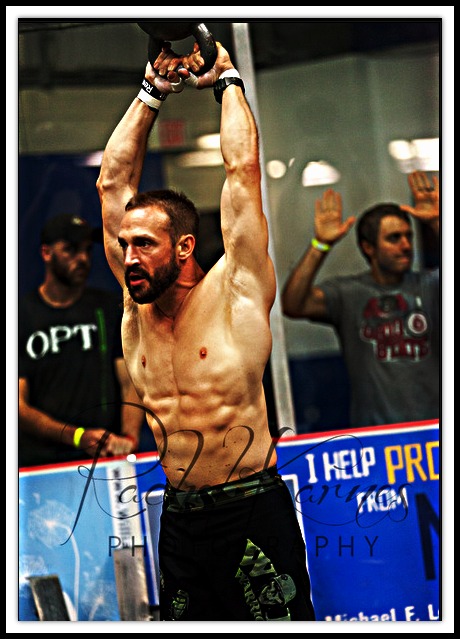
Every time I approach the snatch or clean and jerk, my warm-up is identical. But more importantly, before each lift, my mantra is the same: strong, smooth, execute. Strong off the floor. Smooth through the transition past the knees. Execute the finish as fully and explosively as possible. That’s not superstition, it’s neurological priming.

And it’s not because rituals are magical but because they’re neurological.

Your brain craves predictability. When you repeat a behavior in the same context, you create neural pathways that make the action automatic. Decision fatigue drops. Willpower becomes irrelevant. The ritual does the thinking for you.

Routines are what you do. Rituals are what you become. And what you become is what earns you success in everything you do.

As we move into the tail end of the year, that time when holidays, social demands, stressors, and schedules swirl into chaos, it’s tempting to believe our nutrition, training, or recovery practices must go on pause.

That belief isn’t just unnecessary, it’s counterproductive.

What keeps progress intact isn’t perfection; it’s persistent, ritualized behaviors that stabilize and center the day, no matter what’s going on around you.

Build the Day on Behavioral Anchors, Not Outcomes

When people ask me how to stay consistent in “real life,” they usually mean: how do I not fall off the wagon when life gets chaotic?

The answer is simple: build it from the inside out.

Here are four anchors that form the bedrock of consistency:

  1. Movement Before Screens:
    It doesn’t have to be a full workout. But 5–10 minutes of movement (walk, stretch, bodyweight flow) before checking the phone, laptop, or email changes the tone of your entire day. Why? Because you’ve claimed the first decision. You’ve told your nervous system: I control my attention, not my inbox. That psychological win compounds throughout the day.
  2. Hydration Habit:
    A full glass of water (ideally with a pinch of sea salt and lemon if you don’t get enough salt in your diet) within 10 minutes of waking kickstarts your digestion, cognitive function, and blood pressure regulation, before that first dose of coffee.
  3. Protein-Priority Breakfast:
    Especially when life gets hectic, humans skip meals or over-rely on convenience. Anchoring your day with 30–40g of protein early (eggs/egg whites, Greek yogurt, turkey sausage, et cetera) improves neurotransmitter production and blood sugar regulation for hours. This isn’t bro-science, it’s biochemistry. Protein provides the amino acids needed for dopamine and serotonin synthesis. Skip breakfast, and you’re running on cortisol and caffeine until lunch. That’s not energy. That’s borrowed time.
  4. The 3 pm Prep Pulse:
    Set an alarm. Use it as a check-in: have I eaten enough? Do I need to prep dinner? Can I cut back on caffeine now to improve my sleep later? It’s not a full pause, just a quiet calibration. Most people crash in the afternoon because they’re reacting—grabbing sugar, slamming coffee, pushing through. The 3 pm pulse is proactive. It’s a moment to course-correct before the evening gets away from you.

None of these is radical. That’s the point.

The fitness industry profits from extremes. Thirty-day challenges. Transformation programs. Biohacking protocols that require a PhD and a trust fund. More complexity means more products to sell, more content to consume, more reasons to feel like you’re not doing enough.

But rituals win because they’re repeatable. And what’s repeatable is sustainable. And what’s sustainable is what actually changes your life.

Field Notes: Coaching in the Chaos

A few years ago, a CrossFit athlete of mine was juggling a full-time job, coaching mornings, and training for her first comp. Time was tight. Energy was tighter. She came to me overwhelmed, trying to follow a six-day training split, meal prep on Sundays, and track macros down to the gram.

“I’m doing everything right, but I feel like I’m failing,” she said.

The problem wasn’t effort. It was sustainability. So we simplified everything down to three non-negotiables:

  • Never skip breakfast (30g protein minimum)
  • Get one quality training session per day as prescribed (not six mediocre ones)
  • Set the coffee pot timer at night as a small win (and a moment of morning Zen)

That’s it. No macro tracking. No six-day splits. Just three rituals she could execute even on her worst days.

It wasn’t flashy. It was ritualized. She podiumed in her first comp three months later. Not because the rituals were magic, but because they were repeatable.

Full transparency: we also got her front squat, deadlift, and strength endurance up during that time. But here’s the thing, the PRs didn’t come from complicated programming. They came from consistent execution. Higher protein intake and quality training sessions made both the podium and the PRs possible. The rituals created the conditions for everything else to work.

Chaos Is the Test, Not the Excuse

Everyone can follow a plan when life’s calm. But performance, in sport, work, or life, is forged when conditions are not ideal.

Chaos doesn’t care about your goals. It doesn’t wait for January or “when things settle down.” Chaos is constant. Which means your rituals must be too.

The path forward isn’t motivation. It’s not willpower. It’s intentional design backed by disciplined repetition.

As the holiday season ramps up, resist the all-or-nothing mindset. Build your day on anchors, not apps. Choose a few small rituals, do them well, and repeat them until they’re part of who you are, not something you have to remember to do.

Then repeat them until you can’t get them wrong.

Consistency doesn’t come from a spreadsheet or a thirty-day challenge. It comes from rituals that show up for you when everything else is falling apart.

The reward isn’t external. It’s internal. And that’s something worth protecting.

BCAAs Are Overrated — Here’s What to Do Instead

There was a time when tossing a neon scoop of BCAAs into your shaker cup felt like a secret code, like a sign that you were truly “dialed in.” Fast forward a few years, and the science is pretty blunt: if you’re already eating enough high-quality protein, those branched-chain amino acids aren’t doing much besides lightening your wallet.

Let’s break it down.

1. You’re Already Getting Plenty

BCAAs (leucine, isoleucine, valine) are just three of the nine essential amino acids your body needs to repair and build muscle. They’re naturally found in every solid protein source: meat, fish, eggs, dairy, and even plants. In fact, most whole protein sources already contain the 2-3 grams of leucine per meal needed to maximize muscle protein synthesis, making isolated BCAA supplements redundant.

If you eat real food and hit roughly 1.6–2.2 grams of protein per kilogram of body weight, you’re already covered. Studies keep confirming it: supplementing with BCAAs doesn’t outperform simply consuming complete protein. Here’s why: muscle protein synthesis requires all nine essential amino acids to activate mTOR signaling, the metabolic pathway that triggers muscle growth. BCAAs alone can’t complete the job. Without the full amino acid lineup, your body can’t finish the muscle-building process.

Unless your diet is severely lacking protein, that fancy powder isn’t rescuing anything.

2. Pop Culture Made It Cool — But Not Useful

Let’s be honest: a lot of this stuck around because of marketing and muscle culture. The fitness industry turned hydration into a brand identity with bright colors, bold claims, and goofy influencers sipping between sets like it’s rocket fuel.

It looks serious. It feels like doing something extra. But feeling busy isn’t the same as being productive. In truth, most BCAA use today is psychological, the ritual of “recovery in a cup” more than any measurable physiological edge.

Field note: I’ve worked with hundreds of lifters and athletes and not one of them ever turned a corner in strength, body comp, or recovery because they added BCAAs. But I’ve seen countless athletes break plateaus when they fixed their sleep schedule, added 20 grams of protein to breakfast, or simply trained with more consistency. The wins come from the boring fundamentals, not the colorful supplements.

3. The Paleo/Keto Twist

Here’s where a lot of people overcomplicate it.

If you’re following Paleo or keto and already eating quality animal protein, steak, tuna, salmon, eggs, you’re getting plenty of BCAAs naturally. The supplement is redundant.

But here’s the real issue: many low-carb folks turn to BCAAs because they’re afraid strategic carbs will derail their progress. They won’t. If you’re training hard two or three times a week, your muscles need readily available fuel. Natural carb sources like fruit, bananas, berries, oranges, apples, et cetera, around your training window will do more for performance and recovery than any BCAA powder.

That’s not breaking Paleo. That’s being smart. And it’s cheaper than another tub of supplements.

4. When Supplements Actually Make Sense

To be fair, there are scenarios where amino acid supplementation has merit but even then, BCAAs aren’t your best option.

If you’re training fasted (early morning workouts before you can eat), recovering from an injury where whole food intake is compromised, or genuinely struggling to meet your protein needs through diet alone, a full EAA supplement or quality whey protein makes far more sense than BCAAs.

Why? They deliver the complete amino acid profile your body needs to rebuild tissue and trigger muscle protein synthesis, not just the marketing-friendly three. You’re getting the full toolkit, not just a hammer.

Otherwise? Eat real food, train with purpose, sleep hard, repeat. Oh, and if you’re a vegan or vegetarian, you will need to use supplements to meet your BCAA and EAA needs, but that’s a story for another time.

The Takeaway

Most people sipping BCAAs are already getting what they need from their plate.

The supplement industry thrives on making simple things feel complicated. They profit when you believe that food alone isn’t enough—that you need their powders, their timing protocols, their proprietary blends to unlock results.

But the truth is simpler and cheaper: eat quality protein, train consistently, sleep well, and your body will handle the rest. The fundamentals work. They’ve always worked. And no neon powder changes that.

Save your money for real food, a good night’s sleep, or maybe a new pair of shoes for the trail. If you’re eating enough quality protein, you’re already doing what BCAAs promise — only better, and for less.

Meal Prep for Real Life: How to Cook Once, Eat All Week

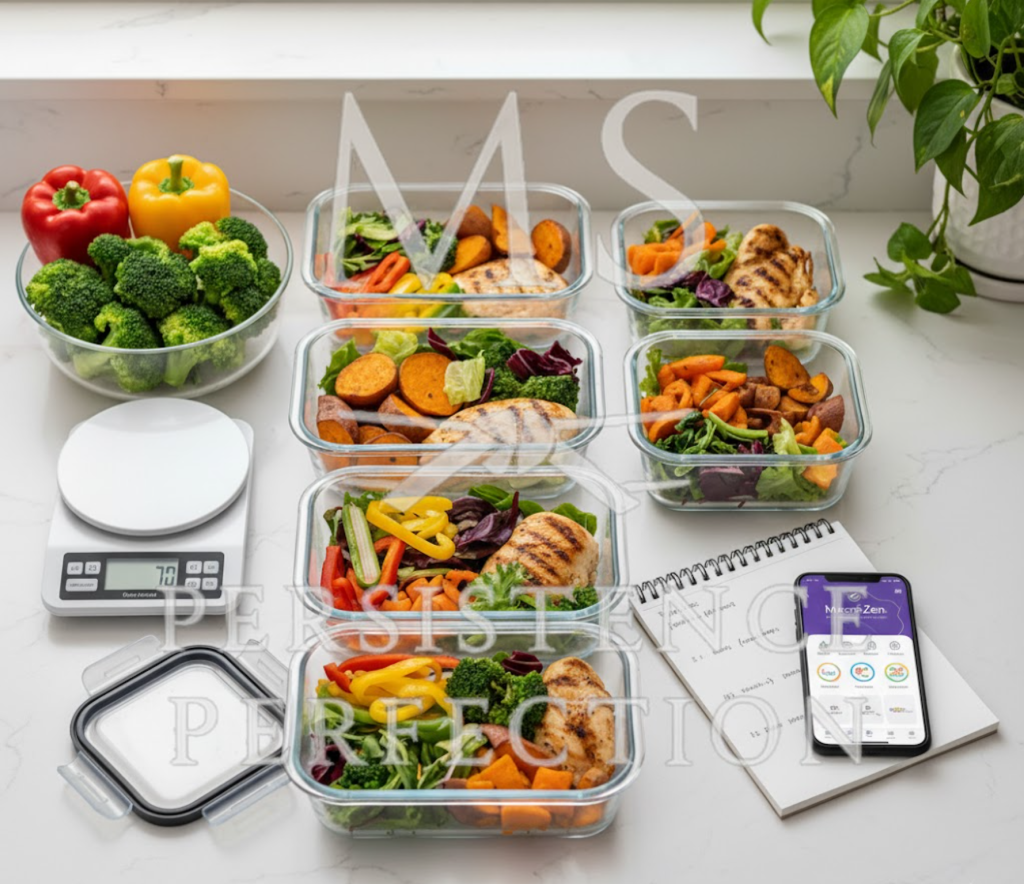
Meal prep isn’t just for the ultra-disciplined or Insta-famous. Sure, you’ve seen those photos: Tupperware lined up like soldiers, meals color-coded, macros counted. But let’s be real, that’s not most people’s life.

What if you could meal prep without spending eight hours every Sunday or needing a second fridge? Real meal prep isn’t about perfection; it’s about persistence and readiness. It’s about building a system that fits your training, work, and flexibility needs. When you fuel your life with intention, everything else sharpens into place.

Step One: Choose Your “Prep Style”

There are three main approaches to meal prep, and the one that’s best for you depends on your schedule and personality:

  1. Batch Prep (Traditional): Make full meals ahead of time. Roast a tray of chicken thighs, cook up a pot of rice, and steam some broccoli. Stack them, label them, done. Good for those who like structure and predictability.
  2. Buffet Prep (Modular): Prep components instead of full meals. Think proteins (ground beef, eggs), starches (sweet potatoes, oats), and fats (olive oil, avocado). Mix and match daily based on cravings or training demands.
  3. Half-Prep (Hybrid): Prep only the time-consuming tasks, like chopping vegetables or marinating proteins, so cooking during the week is more efficient but still flexible.

Step Two: Focus on Your Macro Anchors

Every meal should hit three pillars:

  • Protein: This is your building block. Prep double what you think you need. Think grilled chicken, grass-fed, slow-cooked pork shoulder, hard-boiled eggs, and Greek yogurt.
  • Smart Carbs: These are your fuel tanks. Rotate between your favorite veggies, white rice, potatoes, and fruit. Make them in bulk and store flat in zip-top bags to save space.
  • Healthy Fats: Olive oil, nuts, avocado, seeds. Never forget flavor is fuel, too. Keep these on hand for fast drizzles or topping swaps.

Make meals that tick the macro boxes without requiring a calculator. Example?

  • Ground turkey (who doesn’t love leftovers?) + sautéed kale + roasted sweet potato + a sprinkle of feta and olive oil.
  • Scrambled eggs + pepper and onions + chopped spinach + avocado.

Easily repeatable, nourishing, and delicious.

Step Three: Make Friends with Your Freezer

Your freezer isn’t just for waffles and ice cream. It’s your long-term meal prep MVP. Here’s how to make it work for you:

  • Buy bulk frozen vegetables and fruits.
  • Freeze leftover portions of chili, stew, or curry in single-serve containers.
  • Portion “smoothie” bags with fruits, nut butters, and protein powder. Blend them up and freeze them ahead of time – easy-peasy.
  • Store cooked rice or roasted veggies flat in freezer bags for quick reheats.

Pro tip: Label and date everything. No mystery meals!

Step Four: Build In the “Rescue Meals”

Life happens. You’ll miss a prep day, forget your lunch, or get stuck in traffic. That’s when “rescue meals” save the day:

  • Package tuna or salmon + cucumber and tomato slices + olive oil
  • Grilled steak + half a sweet potato with a dash of cinnamon + two slices of crispy bacon.
  • Hard-boiled eggs + fruit of your choice + handful of almonds

Not fancy. But fast, macro-friendly, and better than skipping meals or panic-ordering pizza.

Step Five: Keep it Repeatable

The secret to success isn’t variety, it’s consistency. Most people thrive on 2-3 breakfast options, 3-4 go-to lunches, and 4-5 dinner templates. Boring? Maybe. But boring builds bodies. Save your culinary creativity for the weekends if that’s your thing.

Meal prep isn’t about being a hero. It’s about staying disciplined and staying in the fight.

The win is showing up to train with fuel already in the tank. The win is making your life easier, one container at a time. Prep is something to be proud of and it’s a version of self-respect you can see every day.

Pick your style and start prepping, your future self will thank you.

Fuel to Perform: The Athlete’s Edge in Everyday Eating

If you show up on the mats, under the barbell, or work hard to refine your gymnastic skills with any kind of serious intent, you’re not just training. You’re preparing and refining, often asking your body to do more than the day before. In our world, what you eat becomes the difference between a “good session” and a “great session,” and between strategic recovery and systemic breakdown. It’s the small details that separate showing up from showing out!

Let’s skip the noise and get tactical: how do semi-competitive athletes or serious recreational competitors fuel performance when life’s messy—work, travel, kids, and tired mornings? Let’s make it real.

The Big Picture

Research shows nutrient timing matters, especially around workouts. The ISSN says, “Purposeful ingestion of nutrients at various times throughout the day” (source) supports strength, power, body composition, and performance.

But for your average serious athlete? The “anabolic window” isn’t a specific, narrow window where you must cram in a meal. That “window” is basically as wide as a garage door. You don’t need perfect timing; it’s about being prepared at the right time.

Three Fuel Strategies That Work

1. Pre-training Anchor Meal
Eat something 60-90 minutes before your session: a moderate amount of carbs, lean protein, and a lighter amount of fat. Example: oatmeal with banana + a scoop of whey or Greek yogurt. Why? You’re topping off glycogen and priming your engine. If you train early and can’t eat, choose a liquid option: an easy-to-digest protein and carb-balanced smoothie.

2. In Training Mini Feeding (When It’s Longer or More Intense)
If your session lasts more than 60 minutes or you’re doing back-to-back days, plan a quick carb hit mid-session (30–60g) and hydrate thoroughly. Why? To prevent an energy crash during your training and help protect your neurologic control.

3. Post Training Recovery Meal
Hit carbs + protein within 1–2 hours after intense work. Aim for a carb-to-protein ratio of roughly 3:1 to 4:1. Why? To replenish muscle glycogen, repair muscle, and prepare for your next session. Example: 4-6oz chicken breast, 1/2 sweet potato, 1 cup of roasted veggies drizzled with garlic-infused olive oil + 1 banana + 1 tbsp peanut butter.

How to adjust for workload (without going neurotic)

• Light day/skill day: Reduce carbs by ~20–30% and keep protein moderate.
• Heavy day/max effort session: Increase carbs by 10–20%, keep protein steady.
• Rest day: Keep protein consistent, reduce carbs/fats based on hunger, not fear.

You don’t need daily macro spreadsheets. Just know your baseline, use a fuel strategy, and build awareness. This gets easier each week and with every rep.

matt shannon glory days of crossfit


Notes from the Field

I’ve watched CrossFit athletes and tactical team members burn themselves out because they consistently skipped their pre-session carbs or failed to track and meet their protein intake for 2 or 3 consecutive days. When your training really matters, you have to treat eating like it’s a part-time job. I’ve run a meal prep business, coached fighters, been a fighter, and lived and trained overseas. I know that life because I’ve lived and breathed it for years. Fueling with purpose is fundamental.

Super Simple Action Steps You Can Take This Week

Pick one heavy training day and one rest/light day. Write down your usual food. For the heavy day, increase pre- and post-training carbs. On a rest day, maintain a steady protein intake and reduce carbohydrates by approximately 20%. Have a pre-workout anchor meal 60 minutes before a session. Note your energy, focus, and performance.

Log your post-training recovery meal within 2 hours after a session—get your carb and protein hit. Track how you feel the next day.

The key takeaways: Fuel consistently, match carbs to your workload, prioritize recovery, and make eating part of your training routine.

Train. Eat. Recover. Repeat.

If you’re training to lead from the front, fuel like someone already ahead of the pack.

No More Macro Mayhem: How to Hit Your Numbers Without Losing Your Mind

After years of lifting, training, and meeting real-life performance demands, you realize your nutrition plan shouldn’t feel like another workout. But for many people, it turns into a tracking obsession, a spreadsheet habit, or a source of stress or anxiety every time you eat.

Let’s change that.

Why macros matter, but not how you think.

Macronutrients (protein, carbs, and fats) are the foundation of performance. They help your muscles rebuild, maintain hormonal balance, and support the overall recovery process. But knowing about them doesn’t mean you have to let them control you.

As the saying goes, precision doesn’t mean perfection. It means having a system. If you want to train hard and stay healthy for years, your nutrition shouldn’t wear you out mentally. It should feel natural, not like a burden.

Three Rules to Keep It Simple and Consistent

  1. In the Beginning, Pick Your Baseline and Repeat It
    Select one meal, either breakfast or lunch, that aligns with your nutrition goals and fits your daily routine. Use the same amount of protein, carbohydrates, and fat each time. If keeping it simple helps, don’t worry about making it exciting. Simple meals build structure, and structure leads to consistency.

    This meal becomes your anchor, helping you stay on track. After week one, you can start making small changes to keep your meals interesting while still keeping things simple.
  2. When Portioning, Simply Use Visual Portion Anchors
    Instead of chasing macros with a food scale, use your hands as portion tools:
    • Protein = palm of your hand
    • Carbs = cupped hand
    • Fats = thumb or small handful

      This method works for everyone from tactical athletes to Olympic weightlifters and CrossFit competitors. It’s not about being exact with every number. It’s about enjoying your food and reaching your goals by being consistent and making steady progress each day.
  3. Make Tweaks with Purpose, Not Panic
    Most people make changes too soon out of worry. Try not to do that. If your training feels off or you’re hungrier than usual outside of workout times, make minor adjustments instead: add +5% protein. +10% carbs. Be sure you’re consuming the bulk of your carbs around your training window.

    Here’s a bonus tip: Start by keeping notes. Each week, look back, notice any patterns, and make changes with confidence. Being consistent and clear is better than chasing new trends or getting distracted by outside opinions.

What Gets In the Way

Let’s be honest: people don’t miss their macros because they’re lazy. It happens because life gets busy, maybe you didn’t sleep well, your kids are sick, your workout got delayed, or work meetings piled up.

That’s why I follow a simple rule: plan your meals for the life you really have, not the one you wish you could organize. If your plan falls apart when things get unpredictable, it needs to be stronger. Don’t stress—just adapt and keep going.

That’s where coaching and real-world experience make the difference.

The Coach’s Corner

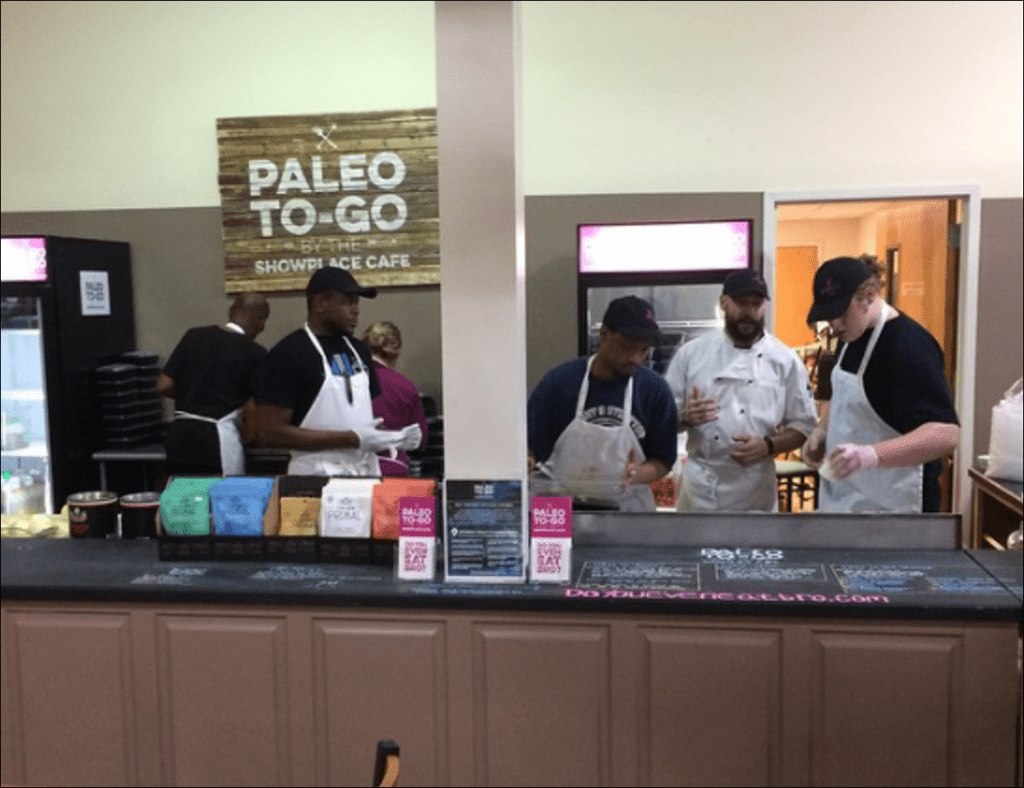
I’ve seen this happen with everyone I’ve coached—military members, athletes, and in my own nutrition journey, even while running a Paleo meal prep business. I always try to share these ideas and show people how to cook good food that supports real performance. The athletes who succeed over time don’t eat perfectly; they eat well and stay consistent. They build habits, rely on routines, and make their food work for them.

This Week’s Action Plan

  • Anchor a meal: Pick one go-to meal that hits your macros and repeat it 4–5 days this week.
  • Use your hands: Apply the visual anchor method to every other meal.
  • Track with context: Pick one training day and one rest day to log. How did you feel? What did you eat? Did it support recovery?
  • If necessary, adjust just one thing next week based on performance, energy, or hunger cues.

Final Word

This is about fueling your performance without burning out. Your training needs clarity, and your life needs structure. Eating well and hitting your macros shouldn’t feel like a burden. It can be the steady, powerful engine that keeps everything running smoothly in the background.

Try these strategies and let your nutrition support your best work, both in the gym and in your daily life.

Fueling Your Cybersecurity: How To Eat Right for Cyber Success

Cybersecurity incidents don’t care how well you slept or ate. They happen anytime. If your body feels slow, your mind will too.

That’s why nutrition isn’t just about physique or gym numbers. It’s about resilience.

A strong body fuels a sharp mind, which makes you a stronger IT professional.

Before jumping in, you might ask: how do you build nutrition habits that fuel performance, even under pressure? Let’s break it down with these five rules:

Rule #1: Always Eat Protein First

If there’s one macro nutrient that changes everything, it’s protein. Most people under-eat it, even those who train.

  • Why it matters: Protein saves muscle, keeps you full longer, and helps your body burn more calories.
  • Aim for .75 to 1g per pound of lean or target body weight. Spread it across meals: eggs at breakfast, chicken or beef at lunch, fish at dinner, or a shake if needed.

Think of protein like a system update: without it, your body gradually weakens until you notice it, and by then it’s too late.

Carbs, like protein, provide 4 calories per gram.

Carbs get demonized needlessly. If you train hard, they’re your gas pedal—not optional.

  • Performance: Carbs fuel high-intensity efforts (CrossFit, sprints, heavy lifts). They refill glycogen so your “engine” doesn’t sputter.
  • Focus: Complex carbs—including all fruits, vegetables, and grains like rice—keep blood sugar steady. That means steady energy and fewer crashes.

The key isn’t cutting carbs. What matters is eating quality carbs at the right times.

  • Hard training days? Eat more.
  • Recovery days? Dial it back a bit.

Rule #3: Fats – The Slow-Burn Energy Source

Fats do not give quick energy like carbs, but they help you last longer. Fats are essential for hormone production, brain function, and recovery.

  • Prioritize avocados, nuts, olive oil, walnut oil, and sesame oil, as well as grass-fed, wild-caught and free-range meats.

Most people do well with 20–30% of their calories from fat. That’s enough for health but not too much.

Rule #4: Hydration = Cognitive Uptime

Mild dehydration tanks focus faster than hunger. For IT pros, that’s dangerous.

  • Target: ½ gallon per day minimum.
  • Use electrolytes during long training or extended incident calls.

Think of hydration as uptime. Skip it, and your system crashes.

Rule #5: Structure Beats Willpower, Every Time

No one does well by guessing. Like securing a system, lasting results come from discipline and routine.

  • Meal prep → Simple, repeatable meals built ahead of time.
  • Macro targets: track for a few weeks until you get the feel.
  • Boundaries: Sleep, fuel, and downtime are mandatory security controls.

The goal is not perfection; it’s persistence. Remember, chasing perfection can actually slow your progress. Aim for 80 to 90 percent consistency for the best results.

Closing Thoughts

Nutrition is about training, discipline, and resilience, and it all starts with each meal.

Forget fad diets, quick fixes, and guilt. Focus on what helps you daily: sufficient protein, good carbs, healthy fats, water, and sticking to a plan that eliminates guesswork.

Anyone with a strong body and sharp mind doesn’t just survive the grind; they thrive in it.

Soon, I’ll show you how to build simple, sustainable meal prep systems. You can protect your body and mind just like you protect your network: with structure and planning.

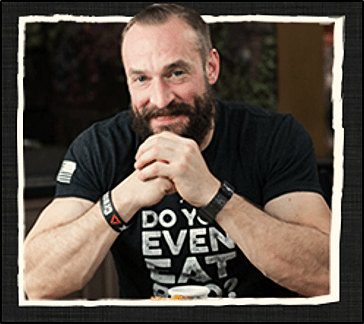
Do You Even Eat Bro? Why Meal Prep Is Security for Your Health

matt shannon_nutrition crossfit
  • Plan ahead, or get hacked by junk food. If you don’t have meals ready, DoorDash or the vending machine will win.
  • Build guardrails, or chaos takes over. Structure (shopping lists, prepped meals, set eating windows) keeps you from drifting.
  • Stay consistent, and resilience follows. Just like training or cybersecurity, it’s the boring reps that make you strong when it counts.
nutrition for busy professionals
discipline_paleo fitness_crossfit

That’s why I still fall back on three rules that anyone can run with:

  1. Prep protein in bulk → Grill or roast a few pounds of chicken, beef, or fish. Protein is the foundation; everything else is garnish.
  2. Keep easy fruits & veggies on hand → Frozen, bagged, or pre-chopped. Don’t overcomplicate it. Rotate what you like.
  3. Don’t skip fats → Avocado, olive oil, nuts. They keep your hormones happy and your brain sharp when the day gets heavy.