Rituals and Routines: How to Stay Consistent When Life Gets Loud

There’s a reason militaries train drills, martial artists bow before stepping on the mat, and serious lifters follow the same barbell warm-ups and setups every rep: ritual anchors action.

Every time I approach the snatch or clean and jerk, my warm-up is identical. But more importantly, before each lift, my mantra is the same: strong, smooth, execute. Strong off the floor. Smooth through the transition past the knees. Execute the finish as fully and explosively as possible. That’s not superstition, it’s neurological priming.

And it’s not because rituals are magical but because they’re neurological.

Your brain craves predictability. When you repeat a behavior in the same context, you create neural pathways that make the action automatic. Decision fatigue drops. Willpower becomes irrelevant. The ritual does the thinking for you.

Routines are what you do. Rituals are what you become. And what you become is what earns you success in everything you do.

As we move into the tail end of the year, that time when holidays, social demands, stressors, and schedules swirl into chaos, it’s tempting to believe our nutrition, training, or recovery practices must go on pause.

That belief isn’t just unnecessary, it’s counterproductive.

What keeps progress intact isn’t perfection; it’s persistent, ritualized behaviors that stabilize and center the day, no matter what’s going on around you.

Build the Day on Behavioral Anchors, Not Outcomes

When people ask me how to stay consistent in “real life,” they usually mean: how do I not fall off the wagon when life gets chaotic?

The answer is simple: build it from the inside out.

Here are four anchors that form the bedrock of consistency:

  1. Movement Before Screens:
    It doesn’t have to be a full workout. But 5–10 minutes of movement (walk, stretch, bodyweight flow) before checking the phone, laptop, or email changes the tone of your entire day. Why? Because you’ve claimed the first decision. You’ve told your nervous system: I control my attention, not my inbox. That psychological win compounds throughout the day.
  2. Hydration Habit:
    A full glass of water (ideally with a pinch of sea salt and lemon if you don’t get enough salt in your diet) within 10 minutes of waking kickstarts your digestion, cognitive function, and blood pressure regulation, before that first dose of coffee.
  3. Protein-Priority Breakfast:
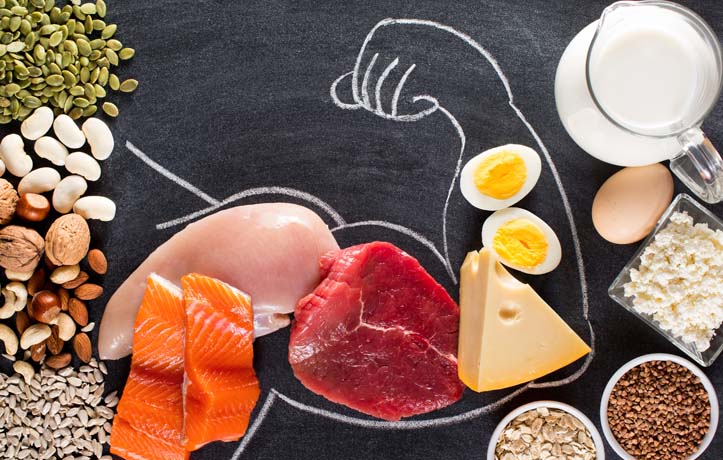
    Especially when life gets hectic, humans skip meals or over-rely on convenience. Anchoring your day with 30–40g of protein early (eggs/egg whites, Greek yogurt, turkey sausage, et cetera) improves neurotransmitter production and blood sugar regulation for hours. This isn’t bro-science, it’s biochemistry. Protein provides the amino acids needed for dopamine and serotonin synthesis. Skip breakfast, and you’re running on cortisol and caffeine until lunch. That’s not energy. That’s borrowed time.
  4. The 3 pm Prep Pulse:
    Set an alarm. Use it as a check-in: have I eaten enough? Do I need to prep dinner? Can I cut back on caffeine now to improve my sleep later? It’s not a full pause, just a quiet calibration. Most people crash in the afternoon because they’re reacting—grabbing sugar, slamming coffee, pushing through. The 3 pm pulse is proactive. It’s a moment to course-correct before the evening gets away from you.

None of these is radical. That’s the point.

The fitness industry profits from extremes. Thirty-day challenges. Transformation programs. Biohacking protocols that require a PhD and a trust fund. More complexity means more products to sell, more content to consume, more reasons to feel like you’re not doing enough.

But rituals win because they’re repeatable. And what’s repeatable is sustainable. And what’s sustainable is what actually changes your life.

Field Notes: Coaching in the Chaos

A few years ago, a CrossFit athlete of mine was juggling a full-time job, coaching mornings, and training for her first comp. Time was tight. Energy was tighter. She came to me overwhelmed, trying to follow a six-day training split, meal prep on Sundays, and track macros down to the gram.

“I’m doing everything right, but I feel like I’m failing,” she said.

The problem wasn’t effort. It was sustainability. So we simplified everything down to three non-negotiables:

  • Never skip breakfast (30g protein minimum)
  • Get one quality training session per day as prescribed (not six mediocre ones)
  • Set the coffee pot timer at night as a small win (and a moment of morning Zen)

That’s it. No macro tracking. No six-day splits. Just three rituals she could execute even on her worst days.

It wasn’t flashy. It was ritualized. She podiumed in her first comp three months later. Not because the rituals were magic, but because they were repeatable.

Full transparency: we also got her front squat, deadlift, and strength endurance up during that time. But here’s the thing, the PRs didn’t come from complicated programming. They came from consistent execution. Higher protein intake and quality training sessions made both the podium and the PRs possible. The rituals created the conditions for everything else to work.

Chaos Is the Test, Not the Excuse

Everyone can follow a plan when life’s calm. But performance, in sport, work, or life, is forged when conditions are not ideal.

Chaos doesn’t care about your goals. It doesn’t wait for January or “when things settle down.” Chaos is constant. Which means your rituals must be too.

The path forward isn’t motivation. It’s not willpower. It’s intentional design backed by disciplined repetition.

As the holiday season ramps up, resist the all-or-nothing mindset. Build your day on anchors, not apps. Choose a few small rituals, do them well, and repeat them until they’re part of who you are, not something you have to remember to do.

Then repeat them until you can’t get them wrong.

Consistency doesn’t come from a spreadsheet or a thirty-day challenge. It comes from rituals that show up for you when everything else is falling apart.

The reward isn’t external. It’s internal. And that’s something worth protecting.

Fuel to Perform: The Athlete’s Edge in Everyday Eating

If you show up on the mats, under the barbell, or work hard to refine your gymnastic skills with any kind of serious intent, you’re not just training. You’re preparing and refining, often asking your body to do more than the day before. In our world, what you eat becomes the difference between a “good session” and a “great session,” and between strategic recovery and systemic breakdown. It’s the small details that separate showing up from showing out!

Let’s skip the noise and get tactical: how do semi-competitive athletes or serious recreational competitors fuel performance when life’s messy—work, travel, kids, and tired mornings? Let’s make it real.

The Big Picture

Research shows nutrient timing matters, especially around workouts. The ISSN says, “Purposeful ingestion of nutrients at various times throughout the day” (source) supports strength, power, body composition, and performance.

But for your average serious athlete? The “anabolic window” isn’t a specific, narrow window where you must cram in a meal. That “window” is basically as wide as a garage door. You don’t need perfect timing; it’s about being prepared at the right time.

Three Fuel Strategies That Work

1. Pre-training Anchor Meal
Eat something 60-90 minutes before your session: a moderate amount of carbs, lean protein, and a lighter amount of fat. Example: oatmeal with banana + a scoop of whey or Greek yogurt. Why? You’re topping off glycogen and priming your engine. If you train early and can’t eat, choose a liquid option: an easy-to-digest protein and carb-balanced smoothie.

2. In Training Mini Feeding (When It’s Longer or More Intense)
If your session lasts more than 60 minutes or you’re doing back-to-back days, plan a quick carb hit mid-session (30–60g) and hydrate thoroughly. Why? To prevent an energy crash during your training and help protect your neurologic control.

3. Post Training Recovery Meal
Hit carbs + protein within 1–2 hours after intense work. Aim for a carb-to-protein ratio of roughly 3:1 to 4:1. Why? To replenish muscle glycogen, repair muscle, and prepare for your next session. Example: 4-6oz chicken breast, 1/2 sweet potato, 1 cup of roasted veggies drizzled with garlic-infused olive oil + 1 banana + 1 tbsp peanut butter.

How to adjust for workload (without going neurotic)

• Light day/skill day: Reduce carbs by ~20–30% and keep protein moderate.
• Heavy day/max effort session: Increase carbs by 10–20%, keep protein steady.
• Rest day: Keep protein consistent, reduce carbs/fats based on hunger, not fear.

You don’t need daily macro spreadsheets. Just know your baseline, use a fuel strategy, and build awareness. This gets easier each week and with every rep.

matt shannon glory days of crossfit


Notes from the Field

I’ve watched CrossFit athletes and tactical team members burn themselves out because they consistently skipped their pre-session carbs or failed to track and meet their protein intake for 2 or 3 consecutive days. When your training really matters, you have to treat eating like it’s a part-time job. I’ve run a meal prep business, coached fighters, been a fighter, and lived and trained overseas. I know that life because I’ve lived and breathed it for years. Fueling with purpose is fundamental.

Super Simple Action Steps You Can Take This Week

Pick one heavy training day and one rest/light day. Write down your usual food. For the heavy day, increase pre- and post-training carbs. On a rest day, maintain a steady protein intake and reduce carbohydrates by approximately 20%. Have a pre-workout anchor meal 60 minutes before a session. Note your energy, focus, and performance.

Log your post-training recovery meal within 2 hours after a session—get your carb and protein hit. Track how you feel the next day.

The key takeaways: Fuel consistently, match carbs to your workload, prioritize recovery, and make eating part of your training routine.

Train. Eat. Recover. Repeat.

If you’re training to lead from the front, fuel like someone already ahead of the pack.

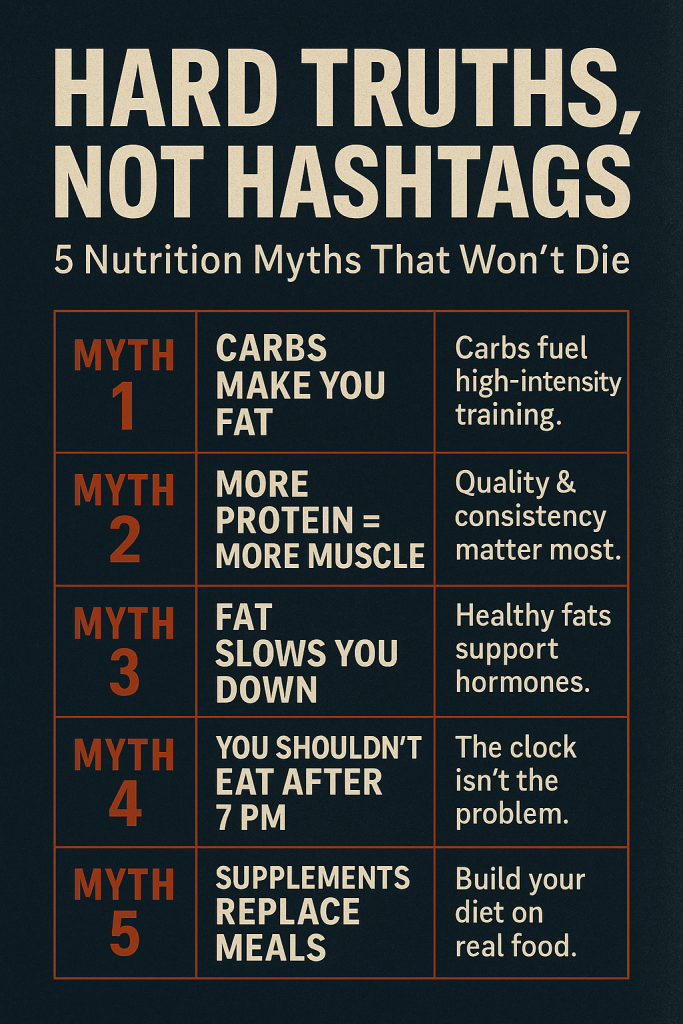
Hard Truths, Not Hashtags: 5 Nutrition Myths That Won’t Die

When you’ve trained on the mats, coached clients through cleans, kettlebell swings, and meal prep execution, and watched everyday athletes chase their performance goals, you start to see the myths vs reality.

The claims that sound sexy.

Some strategies seem fresh and innovative.

And there are promises that seem too good to be true and usually are.

Here are five of the most persistent nutrition myths that still persist in fitness culture to this day. These myths can hold back your progress, make your habits harder, and limit your performance.

Let’s put these myths to rest.

Myth 1: Carbs Make You Fat, So Avoid Them
The belief that carbohydrates are always “bad” is one of the oldest myths in fitness. Over time, people started to think of “carbs” as just donuts and soda, forgetting that fruits, vegetables, rice, and oats are also carbohydrates.

Carbohydrates are your body’s preferred fuel source for high-intensity movement. In sprinting, lifting, grappling, and EMOMs. When you cut carbs too aggressively, especially around training, you’re cutting the fuel that keeps the engine running and ready for its highest performance.

Of course, someone who doesn’t move much and eats 400 grams of sugary carbs every day will gain fat. But if you’re an athlete training 4 to 6 times a week and still avoiding fruit, you’re likely to struggle with recovery, mental clarity, and performance.

Carbs are not the problem. The real issues are poor timing, portion sizes, and choosing the wrong sources. It’s important to know the difference.

Myth 2: More Protein Equals More Muscle
It’s easy to think of protein as a magic solution for building muscle. But the idea that you can just drink more shakes and automatically grow isn’t true. Your body can only use a certain amount of protein at a time, and anything extra just adds calories.

If your training lacks volume, intensity, or progression, no amount of protein will magically build muscle. If your sleep is poor, your recovery window is compromised. And if your stress is off the charts, you’ll break down more than you build.

Think of protein as a critical piece of the puzzle, but not the only one. Focus on consistent daily intake (spread across meals), quality sources (whole food > processed powders), and real recovery habits. You don’t get stronger just by eating. You get stronger by absorbing nutrients after solid training and real rest.

Myth 3: Fat Slows You Down, Avoid It
Fat was blamed during the low-fat trends of the 1980s and 1990s, and some people still avoid it. Even now, many choose “fat-free” salad dressing and worry that eating an avocado will hurt their progress.

The truth is, healthy fats are needed for hormone production, joint health, cell repair, and brain function. Athletes who avoid fat for too long often have trouble sleeping, joint pain, low libido, or hormone problems.

You don’t have to add butter to your coffee or eat only bacon to benefit from fat. But if you’re training hard and still eating like it’s the 1990s, you’re missing out on better performance.

Balance your macronutrients to build a strong foundation.

Myth 4: You Shouldn’t Eat After 7 PM
This one sticks around like gym chalk on a black shirt. The belief is: eating late = fat gain. But what the science actually says is this: calorie balance, nutrient timing, and daily movement matter far more than the clock.

If you train in the evening, work a night shift, or just eat dinner late, you’re not hurting your progress. It’s your routine. The real problem is eating junk food late at night, snacking without thinking, stress-eating, or skipping meals earlier.

For athletes, skipping a meal after training just because it’s late can lead to poor recovery and insufficient sleep. Your body doesn’t track time; it just needs the right fuel.

Myth 5: Supplements Replace Meals
Supplements have become a billion-dollar industry promising shortcuts. But the truth? They’re called supplements for a reason. They supplement a well-rounded diet. They don’t replace one.

If your diet isn’t steady, you don’t drink enough water, and your sleep is poor, no supplement will fix your performance.

Whey protein is fine when you’re on the go. Electrolytes help when training volume is high. But if you’re leaning on powders, bars, or mystery potions more than you’re eating real food? You’re missing the point.

Eating real food leads to real results. Supplements are optional, but hard work, recovery, and whole foods are essential.

Bonus Myth That Needs to Be Busted Once and For All

You Need BCAAs to Build Muscle and Recover
Branched-chain amino acids (BCAAs) have been marketed like magic, drink this neon liquid, build more muscle, recover faster, dominate your workouts. But if you’re eating enough complete protein daily (think eggs, meat, fish, dairy, or quality whey), you’re already getting all the BCAAs your body needs.

The truth is, BCAAs are only three out of nine essential amino acids, and they don’t work alone. Building and repairing muscle needs all of them. Taking BCAAs instead of full protein is like bringing only a few bricks to a construction site and expecting to build a whole building.

This myth sticks around because supplement companies make a lot of money from BCAAs. They’re cheap to produce, easy to flavor, and simple to market to people who want quick fixes or think more is always better. Unless you train for hours without eating or have a very low protein diet, BCAAs aren’t necessary.

The bottom line: If you get enough protein each day, you don’t need BCAAs. Save your money and enjoy a good meal instead.

Why This Actually Matters
I’ve been in boardrooms, meal prep kitchens, and war rooms. I’ve been a fighter and sat across from fighters who measure life in rounds, and clients who measure progress in PRs.

The pattern is always the same:
Myths confuse, limit, and delay growth. But once you break your nutrition down into simple truths, reality & function over fad, you become harder to fool, harder to distract, harder to derail.

Field Notes: Your Mission This Week
Pick one myth above you’re still believing. Write it down. Then spend 10 minutes challenging it with real information.
Swap one habit: Still avoiding carbs around workouts? Try a simple “safe” carb on a heavy day. Watch how recovery and hunger change.
Track one metric: Not the scale. Maybe energy, sleep, or workout quality. Let that be your barometer, not guilt.
Talk it out: Share one busted myth with someone—client, teammate, or partner. Watch the shift when you trade confusion for clarity.

Nutrition is more than just eating. It’s about being ready for training, workouts, and daily life with the right fuel to help you succeed, not hold you back.

Forty Point Two

3, 2, 1 get some!

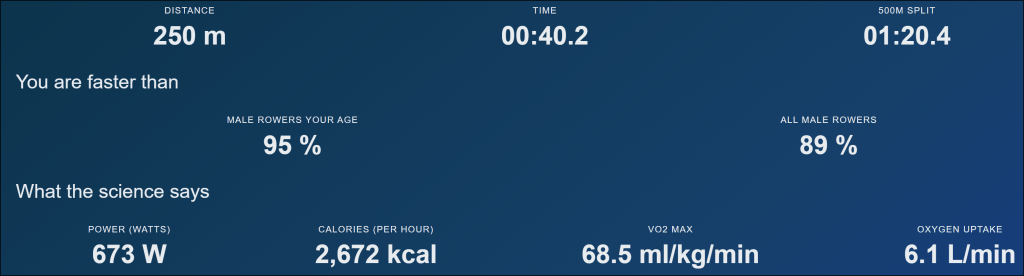
Five weeks ago, I pulled a 41.3-second 250 meter row. Today, I hit 40.2. Just over a second faster.

Most wouldn’t notice the difference, but if you’ve ever chased improvement in anything, lifting, rowing, writing, or career-related, you know what that second really means.

It’s not one test. It’s everything between the test and the retest.

Early mornings. Late nights. Lifting after focusing on a screen all day, securing cloud configs, writing incident reports, and drafting security policies. Endless meetings, collaborating with stakeholders, or staying disciplined enough to meal prep when convenience is whispering your name.

The first test showed where I was. The weeks that followed demonstrated what I was willing to do to get a little bit better every day.

That one second didn’t come from luck. It came from honesty. From taking stock of where my form slipped when fatigue hit, where breathing got shallow, where my leg drive gave too early, and where comfort started whispering, “Hey man, you’ve done enough.”

It came from the same place real growth always hides: the re-tests, not the first runs. Every domain follows the same law: test, learn, refine, retest. That’s how systems harden. That’s how people do, too.

The next time you test something, whether it’s a lift, a sprint, IAM permissions, or a personal limit, remember this: progress rarely looks dramatic as it happens. It might seem minor, but the one second I cut over five weeks shows the value of steady effort. Others might have said, “Hey man, that 41.3 is pretty damn good for a man your age.” For me, that will never be enough.

What “the science” says:

  • Power output was 673 Watts
  • VO2 Max is 68.5 ml/kg/min
  • Faster than 95% of male rowers your age
  • 89% faster than all male rowers

No matter what, 41.3 → 40.2 is proof that attention to detail and small improvements over time are earned, never issued, and that’s the real story.

Discipline Over Flash: 30 Strict Pull-Ups for Time

Most workouts have a loophole. If you know how to do them, you can kip and be done in less than a minute. Most dudes who do “pull-ups” cheat the range of motion like it’s a professional sport by never fully extending at the bottom, and/OR do NOT get their chins over the bar. But, every now and then, rules will strip everything away and reveal the raw truth.

That’s the point of this challenge: 30 strict pull-ups for time.

The rules are simple but tough:

  • Must be done in sets of 5 or 10 only. No singles, no doubles, and no kipping (this time).
  • NO half a$$ Pete Hegseth or RKF, Jr. reps.
  • Full extension at the bottom. Elbows locked out every time.
  • Chin over the bar at the top. No “almost” reps. No, “I was so close that time.”
  • Discipline over ego.

My time? Watch and see.

But the question you might be asking is, “Why Does This Even Matter?”

This is more than a physical test; it’s a mindset test, like the pressure faced in cybersecurity, leadership, or life.

Here’s what the workout teaches:

  1. Constraints Make You Stronger
    Without the rule of “5 or more reps per set,” you’d see people game the system: 30 singles, done easily, no challenge. But rules force focus. They push you past your comfort zone and into real growth.

Cloud security works on the same principle as the pull-up challenge: doing things the hard, correct way leads to lasting results. In cloud security, if you make permissions too loose or skip essential controls, it seems easier—just like doing easier pull-ups. But real security comes from applying restrictions such as least privilege, multi-factor authentication, and segmentation. These are to security what strict form is to strength: they are challenging but essential for durability.

2. Form Is Discipline
Locking out every rep is about integrity. Cutting corners in training leads to cutting corners under stress.

Cyber pros know the drill: if you skip patch cycles, code reviews, or alerts, you won’t suddenly excel in a crisis—you will perform only as well as your training prepared you. The point is: in emergencies, people don’t ‘rise to the occasion’; they revert to their standard preparedness.

3. Speed Comes From Structure
Strict pull-ups in just over 2 minutes require planning: strict adherence to set sizes, rest, and when to push or hold back.

Incident response follows the same principle: structured speed is essential. Success comes from following practiced processes, not from last-minute effort.

4. Resilience Beats Flash
Nobody remembers the person who did 20 kipping pull-ups that looked good on Instagram but didn’t count in this instance. The athletes who succeed in the gym or in life are those who can perform strict reps under pressure, year after year.

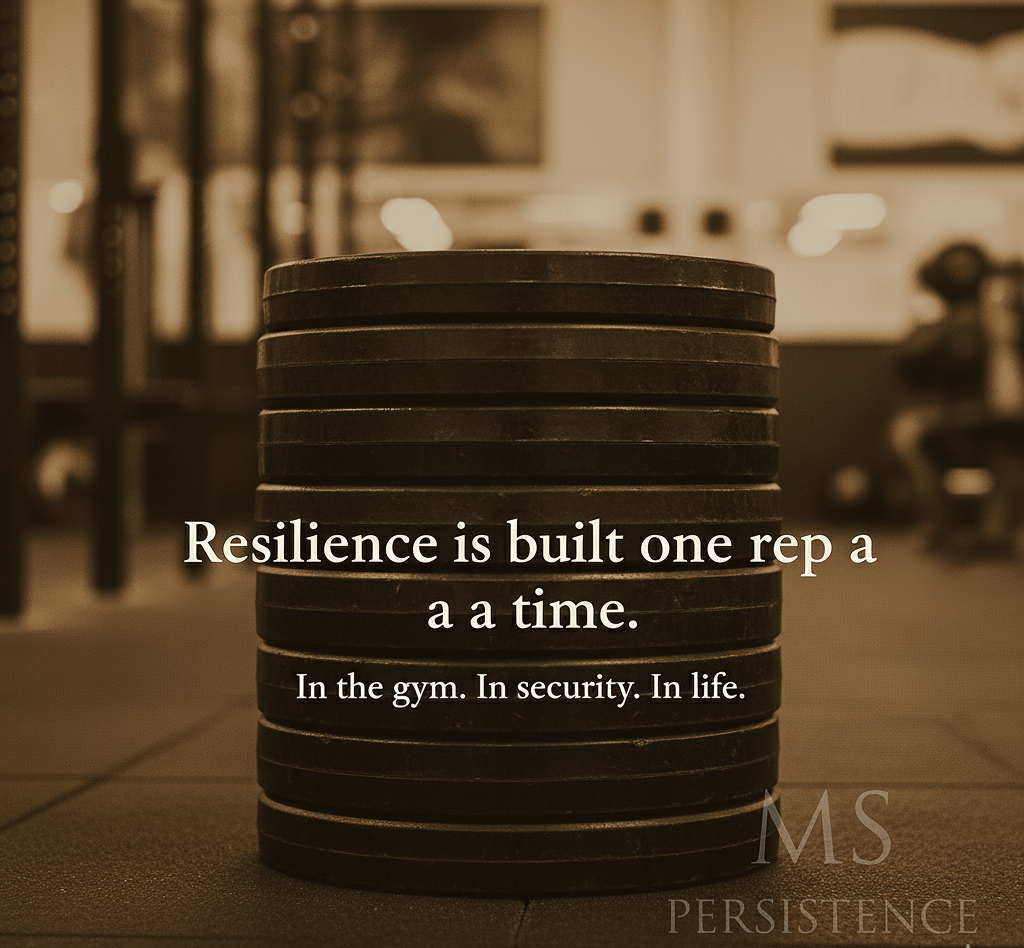
Resilience isn’t glamorous. It’s strict adherence to form and standards. Reps stacked and basics drilled.

Closing Thoughts

Thirty strict pull-ups for time really isn’t about the number. It’s about the mindset: constraints, no ego, and the discipline not to go again sooner than you can complete at least another set of 5, along with persistence under pressure.

The lessons extend beyond workouts. Whether you’re securing cloud environments, writing policies, or leading teams, following real constraints, practicing discipline, and building resilience are as vital as adhering to strict form in your pull-ups when required.

Constraints can make you sharper. Discipline makes you stronger. Resilience makes you unbreakable.

Persistence Beats Perfection

Chasing perfection can be tempting. It makes us believe that if we get everything exactly right, like following a flawless training plan or a perfect patch cycle, we’ll be safe from risks or mistakes. But perfection is fragile. One mistake or setback, and it falls apart. That’s when persistence matters most.

Persistence, on the other hand, is unbreakable and endures where perfection falters.

Anyone who’s trained in martial arts or strength sports knows some days you set PRs, some days you don’t. Some days you win; other days, you learn. The outcome of a single session doesn’t matter; what counts is that you keep showing up.

Cybersecurity runs on the same principle. Rather than expecting flawless results, it relies on the daily commitment, running scans, monitoring logs, and applying updates, which builds resilience over time.

Why Perfection Fails

  • Unrealistic expectations: Nobody patches everything at once. Expecting to do so leads to burnout.
  • Procrastination: Waiting until you can do it “perfectly” means it never gets done.
  • Fragility: Perfection breaks under stress; persistence adapts.

Why Persistence Wins

  • Consistency compounds. One small patch today, another tomorrow, adds up to systemic strength.
  • Resilience under pressure. When incidents occur, teams that have developed daily habits respond more quickly.
  • Adaptability. Persistence isn’t rigid; it bends, adjusts, and continues forward.

The Martial Arts Parallel

Martial artists don’t achieve mastery through perfection. They drill basics until instinctive, spar, fail, and adapt. Each session is about persistence; the discipline of returning to the mat, working on strikes, footwork, counter-wrestling, etc, etc.

Cybersecurity professionals must do the same. Drill, repeat, refine, and drill some more. That way, when the attacks come, your persistence in training wins the day.

Closing Thought:
Persistence, not perfection, is the key to success. Perfection is unattainable, persistence ensures progress, and tangible results.

New Deadlift PR: 234kg/515lbs for a Double

Enhance Your Olympic Weightlifting with Traditional Strength Training & Post Activation Potentiation (PAP)

This 8-week program is designed to improve overall strength, explosive power via Type IIx muscle fiber development, and speed in the clean using traditional strength training methods and post activation potentiation (PAP). PAP involves performing heavy strength exercises followed by explosive movements to enhance neuromuscular performance.

Program Structure & Purpose of This Method of Training

  • Weeks 1-4: Strength and Hypertrophy Focus

Builds a solid foundation of strength in the specific movements and build overall muscle mass.

Emphasis is on moderate to heavy weights with traditional strength training methods.

  • Weeks 5-8: Explosive Strength and Speed

Increase the focus on explosive movements and speed.

Utilize PAP techniques to develop explosiveness in the lifts and maximize power output.

Weekly Training Schedule

Monday: Strength and Clean Technique

  1. Clean: 5 x 3 reps dropping each rep from the top, focusing on as close to perfect reps every set

Focus on technical perfection/bar control in all positions.
Intensity: 70-80% of 1RM; rest 2-3mins between sets

B. Front Squat: Sets: 4

Reps: 6-8 (Weeks 1-4)

Reps: 4-6 (Weeks 5-8)

Intensity: 75-85% of 1RM

C. Romanian Deadlift – sets: 3 x 8-10; rest 2

D. Pull-Ups Sets: 4 x reps: 8-10 (weighted if possible); rest :90secs

E. Trunk Work – Russian Twists & leg raises – sets: 3 x 15-20; rest 1min b/t sets

Tuesday: Traditional Strength and PAP

  1. Back Squat 5 x 5; rest 2-3 mins b/t sets — Intensity: 80-85% of 1RM
  2. Clean Pull (Heavy) Sets: 4 x 3 — Intensity: 90-110% of clean 1RM
    PAP Complex: 3 sets
    C1. Heavy Back Squat: 3 reps at 85-90% of 1RM
    C2. MAX Vertical Jump: 3-5 reps immediately after each squat set; Rest: 2-3 minutes between complexes
    D. Shoulder Press: Sets: 4 x 6-8

Wednesday: EASY MAP 10/Active Recovery/Mobility

MAP 10 for 30-45 minutes or mobility work and stretching focusing on hips, shoulders, and ankles

Thursday: Strength and Clean Technique

  1. Clean: Sets: 5 x 3

Intensity: 75-85% of 1RM

Focus on bar control in the first pull and FINISHing the second pull with maximal bar speed.

B. Deadlift – Sets: 4

x 5-6 (Weeks 1-4)

x 3-4 (Weeks 5-8)

Intensity: 80-90% of your CLEAN DL 1RM

C. Push Press – Sets: 4 x 6-8

D. Barbell Rows – Sets: 4 x 8-10

E. Trunk Work (Hanging Leg Raises, Side bends with empty bar on your back) – Sets: 3 x 15-20

Friday: Explosive Strength and PAP

PAP Complex: 3 sets

A1. Heavy Front Squat – 3 reps at 85-90% of 1RM; rest :10secs

       A2. Clean from Blocks: 3 reps (at 60-75%) immediately after each squat set; rest: 2-3 minutes between complexes

B. EXPLOSIVE Box Jumps 3 x 5; focus on one rep at a time being as explosive as possible; rest 1 min

C. Push Jerk 4 x 4-6; rest 2

D. Glute Ham Raise 3 x 15

Saturday: Accessory Work and Recovery

  1. Snatch Technique work (Light) 5 x 3 – Intensity: 60-70% of 1RM
  2. Overhead Squat 4 x 6-8
  3. Seated Dumbbell Shoulder Press 3 x 12-15

    D1. Banded Face Pulls 3 x 15; rest 0
    D2. Banded upright rows 3 x 15; rest 1

Sunday: Rest and Recovery
Full rest day to allow for recovery and muscle repair.

Detailed Program Highlights and Emphasis

Weeks 1-4: Strength and Hypertrophy Focus

Volume and Intensity:

Higher volume with moderate to heavy weights.

Focus on building a strong foundation with hypertrophy and strength work.

Snatch & Clean Technique:

Emphasize proper form and technique in the snatch & clean.

Use moderate weights to allow for technique improvements.

Traditional Strength Training:

We’ve incorporated compound lifts like squats, deadlifts, and presses to build overall strength. We also routinely rotate accessory exercises that target specific muscle groups to build positional strength.

Weeks 5-8: Explosive Strength and Speed

Volume and Intensity:

Increase intensity with heavier weights and lower reps.

Focus on explosive movements and speed strength.

Snatch + Clean & Jerk Technique:

Continue emphasizing technique but increase intensity to prepare for maximal lifts.

Post Activation Potentiation (PAP):

Use PAP complexes to enhance explosive power.

Perform heavy strength exercises followed by explosive movements to maximize power output.

Plyometric Training:

Incorporate plyometrics once a week to improve explosiveness and speed.

Exercises like box jumps and cleans from blocks complement the strength work.

Recovery and Nutrition — all around the world it’s the same song, it’s the same old song!

Sleep – Aim for 7-9 hours of quality sleep per night to support muscle recovery and growth.

Nutrition – Protein: Consume 1.6-2.2 grams of protein per kilogram of body weight daily to support muscle repair.

Carbohydrates: Ensure adequate carbohydrate intake to fuel workouts and replenish glycogen stores. Include complex carbs like whole grains, fruits, and vegetables.

Healthy Fats: Incorporate healthy fats from sources like avocados, nuts, seeds, and olive oil to support overall health and hormone production.

Hydration – Stay well-hydrated to maintain performance and facilitate recovery. Don’t forget your electrolytes!

Active Recovery – Incorporate light activities such as MAP 10, kayaking, swimming, walking, yoga, or stretching on rest days to promote blood flow and reduce muscle soreness.

Monitoring Progress

Tracking your progress is essential for adjusting your program and ensuring continuous improvement.

Use a training log to record your workouts, including weights used, sets, reps, and any relevant notes on how you felt during each session.

Regular Testing: of your 1RMs to gauge strength improvements and adjust training intensities accordingly.

Adjustments – be sure to make them based on your progress and recovery. Then you can modify variables such as intensity, volume, and exercise selection to avoid plateaus and continue to make training fun and make sure youre maximizing your gains.

Final Thoughts

This 8-week Olympic weightlifting program combines traditional strength training with post activation potentiation (PAP) to enhance strength, explosive power, and speed in the and clean. By following this structured and periodized approach, you can achieve significant improvements in your lifting performance. Stay consistent, prioritize proper form, and adjust the program as needed to continue progressing toward your Olympic lifting goals. I hope you’ve enjoyed this article and that you find it beneficial in your training. Ive been writing individual and team/group training plans for almost two decades and am very passionate about helping folks achieve their goals. If you need helping to achieve your goals let me know and Id be happy to help you, too. Until next time, all the best!

Hypertrophy Phase for Building Strength in the High Bar Back Squat

Here’s a sample 8-Week Hypertrophy Phase for Building Strength in the High Bar Back Squat.
The high bar back squat is a foundational exercise for developing leg strength, power, and muscle hypertrophy. This 8-week hypertrophy program focuses on squatting twice a week, with an emphasis on high-repetition sets in the 15-20 rep range to stimulate muscle growth. Complementary accessory exercises, proper recovery, and nutrition are also crucial for maximizing gains during this phase.

Program Overview
The 8-week hypertrophy phase is divided into two 4-week blocks. Each block progressively increases the intensity and volume of your workouts to optimize muscle growth and strength. The program includes two squat sessions per week, supplemented with accessory exercises to target supporting muscle groups and ensure balanced development.

Week 1-4: Volume Accumulation

Focus: Build a foundation of muscle mass and muscle endurance.

  • Rep Range: 15-20 reps
  • Intensity: 50-60% of 1RM
  • Frequency: Twice per week

Week 5-8: Intensification

Focus: Increase intensity, maintaining high volume, and technical proficiency.

  • Rep Range: 12-15 reps
  • Intensity: 60-70% of 1RM
  • Frequency: Twice per week

Weekly Training Schedule

– Monday: High Bar Back Squat Focus

  • High Bar Back Squat: 4 sets of 15-20 reps
  • Romanian Deadlifts: 3 sets of 15-20 reps
  • Bulgarian Split Squats: 3 sets of 15-20 reps per leg
  • Front Foot Elevates Split Squat (FFESS): 3 sets of 20 reps – 10 per leg
  • Single leg, body weight calf raises: 3 sets of 20-25 reps

– Thursday: High Bar Back Squat Focus

  • High Bar Back Squat: 4 sets of 15-20 reps
  • Walking Lunges: 3 sets of 15-20 reps per leg
  • Front Squats: 3 sets of 10 reps at 40-50%
  • Frog Pumps: 3 sets of 15-20 reps
  • Tib Raises: 3 sets of 30 reps

Week 5-8 Adjustments

As you progress into the second block, increase the intensity by raising the weight and slightly lowering the rep range to 12-15 reps per set while maintaining the same structure and exercise selection.

Monday: High Bar Focus

  • High Bar Back Squat: 4 sets of 12-15 reps
  • Romanian Deadlifts: 3 sets of 12-15 reps
  • FFESS: 3 sets of 12-15 reps per leg
  • Reverse Hyper: 3 sets of 12-15 reps
  • Single leg, body weight calf raises: 3 sets of 15-20 reps

Thursday: High Bar Focus

  • High Bar Back Squat: 4 sets of 12-15 reps
  • Walking Lunges: 3 sets of 12-15 reps per leg
  • Front Squats: 3 sets of 10 reps at 40-50%
  • Frog Pumps: 3 sets of 15-20 reps
  • Tib Raises: 3 sets of 15-20 reps

Recovery and Nutrition: Prioritizing recovery and proper nutrition is crucial for maximizing gains during the hypertrophy phase:

Sleep: The NUMBER 1 thing you can fix to see increases in the gym — adequate rest and recovery! Aim for 7-9 hours of quality sleep each night to support muscle recovery and growth.

Nutrition:

Protein: Consume 1.6-2.2 grams of protein per kg of body weight daily to support muscle repair.

Carbohydrates: Ensure adequate carbohydrate intake to fuel workouts and replenish glycogen stores. Include complex carbs like whole grains, fruits, and vegetables.

Healthy Fats: Incorporate healthy fats from sources like avocados, nuts, seeds, and olive oil to support overall health and hormone production.

Hydration: Stay well-hydrated to maintain performance and facilitate recovery.

Active Recovery: Incorporate intensity work on such as MAP 10 training, walking, kayaking, yoga, or stretching on rest days to promote blood flow and reduce muscle soreness.

Monitoring Your Progress: Tracking your progress is essential for adjusting your program and ensuring continuous improvement:

Training Log: Record your workouts, including weights used, sets, reps, and any relevant notes on how you felt during each session.

Regular Testing: Periodically test your 1RM to gauge strength improvements and adjust training intensities accordingly. I’d suggest testing your 1RM every 3 to 4 months.

Adjustments: Based on your progress and recovery, modify variables such as intensity, volume, and exercise selection to avoid plateaus and continue making gains.

Final Thoughts:

An 8-week hypertrophy phase focused on the high bar back squat can significantly enhance your leg strength and muscle mass. By incorporating a structured training program that emphasizes high-repetition sets, prioritizing recovery and nutrition, and monitoring your progress, you can achieve substantial gains in your squat performance and overall strength. Stay consistent, maintain proper form, and adjust your program as needed to continue progressing towards your strength and hypertrophy goals.

Always remember, quality of reps over quantity of reps!

How To Program MAP 10 Aerobic Workouts

What are Map 10 Aerobic Workouts?

Map 10, which stands for Maximal Aerobic Power, simply means that work at this pace is very easy. As you move from MAP 10 to MAP 1, the pace increases as and the time of each interval drops in length.

Why do we love MAP 10 specifically?

It’s great for recovery!

The Story of OPEX Fitness and James FitzGerald | OPEX Fitness

MAP 10 Can Help You Recover from Soreness

A time tested and proven method that’s especially relevant to functional fitness athletes is mixing intense training with slow recovery sessions throughout the week. This style of training is often referred to as “High Low Method.”

OPEX Fitness calls the slow recovery style of aerobic work “MAP 10”. This is taught in the OPEX Coaching Certificate Program (CCP) because coaches must be able to prescribe a wide variety of training paces, dependent on their client’s needs. When programming different paces, coaches are also tapping into different energy systems. There are three main energy systems refer that we refer to as OPEX Gain, Pain, and Sustain:

(Coach’s Resource: Learn more about how to train specific energy systems in this free guide.)

  • Gain – this is scientifically referred to as the Anaerobic Alactic System. This system refers to very short, 1-20 seconds, bursts of energy at very high power, or “turnover.” Gain refers to you not being able to sustain your power output past that length of time because your muscles cannot continue to turn over fast enough
  • Pain – this is scientifically referred to as the Anaerobic Lactic System. This system refers to a longer interval time, 20 to 720 seconds, at higher power, or turnover. While the range is much longer, you’ll notice the word “Anaerobic” still remains in the name. That means that it isn’t aerobic which means that it isn’t sustainable. If you hold that higher power for those time periods, you will now “feel the burn” and you will recognize that you cannot hold that pace forever
  • Sustain – this is scientifically referred to as the aerobic system. This system refers to efforts that are sustainable. As you move from MAP 1 to MAP 10, your time frame gets even longer, and your power output goes down even more.

MAP 10 pace is on the far end requiring the most amount of time at the slowest pace with the least amount of power, therefore, falling under the Sustain “curve.” Whereas Gain begins with slow and low volume efforts in the beginning followed by a progression of faster, more voluminous efforts later. MAP 10 efforts should begin with longer efforts at a slower pace in the beginning (for most people). The reason MAP 10 needs to start with such long efforts is that you need to keep the pace easy. Very easy effort mixed with smaller amounts of eccentric muscle contractions is often interpreted as recovery by your body.

James FitzGerald vs. Carl Hardwick ...

How to Program MAP 10 Aerobic Workouts

When programming MAP 10 you often want to begin with more aerobic – long easier efforts – work before you implement Gain work into your client/athlete’s fitness program because it builds your ability to do more work – volume – in your training.

To benefit greatly from MAP 10 – and easy aerobic work – make sure you minimize the eccentric load on your client. In the video, you will notice that Solange is doing carries (overhead, suitcase, etc…), Flywheel biking, versa climbing, Front Leaning Rest – FLR (plank) on the rings – etc…The lack of eccentric work allows her body to get better recovery than she would if she was pounding her body day in and day out in her “aerobic” work.

To pick great MAP 10 workouts, you want to pick easy, non-eccentric work and “go easy.” You don’t need to overthink this. You just need to move blood, find relaxation and rhythm, and be consistent in “going long.” People get scared of doing a 60-minute workout because they are going long and hard. MAP 10 is long and easy! To progress in this, you will add volume, but you would still get the pace nice and easy.

Programming MAP 10 Aerobic Workouts For Athletes

High-level athletes may have five morning sessions of 60-90 minutes of MAP 10 work + two “off” days of three sessions/day of 60-90 min of easy aerobic pieces. It will be all different styles of movement but do the math of that volume. They may have 8-12 hours of easy aerobic work each week on top of 3-4 hours per week of intense work.

When you are doing your easy aerobic work, don’t be afraid to go at conversational pace or listen to a podcast or read a book if you are on a machine that allows you to do that. We don’t recommend Deadmau5 for easy aerobic work unless you want to “wake up” 20 min into a row at 180 beats per minute heart rate. Also, don’t be afraid to just walk (in the sun if possible)

james fitzgerald crossfit for Sale,Up To OFF 66%

Next Steps

MAP 10 is just tapping into one of the body’s three energy systems. If you are looking to become a professional coach and develop your programming ability download our free guide Energy System Training, today.

For more information visit Opexfit.com today!