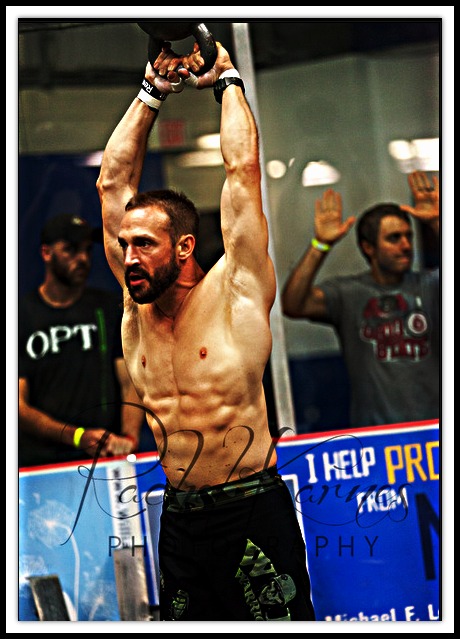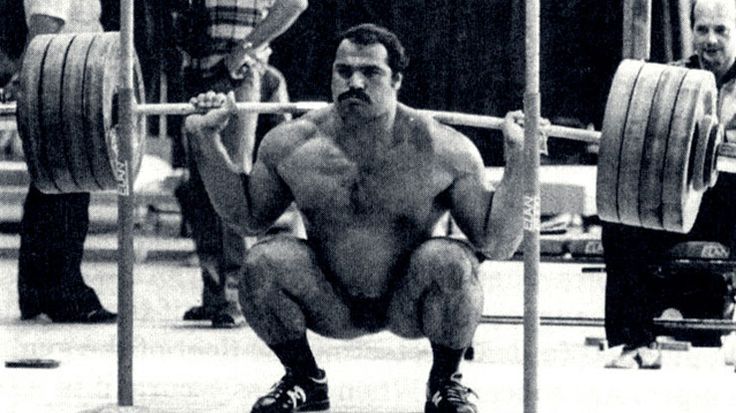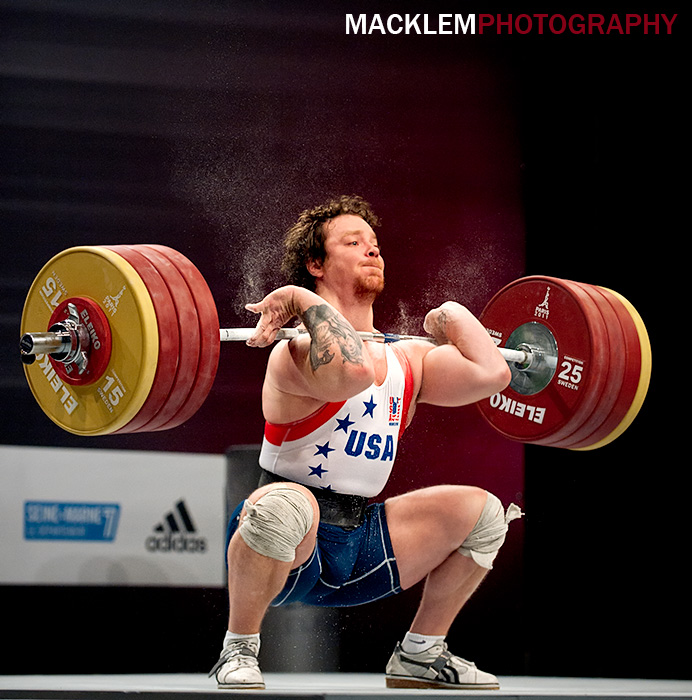
New Deadlift PR: 234kg/515lbs for a Double

Enhance Your Olympic Weightlifting with Traditional Strength Training & Post Activation Potentiation (PAP)

This 8-week program is designed to improve overall strength, explosive power via Type IIx muscle fiber development, and speed in the clean using traditional strength training methods and post activation potentiation (PAP). PAP involves performing heavy strength exercises followed by explosive movements to enhance neuromuscular performance.

Program Structure & Purpose of This Method of Training

  • Weeks 1-4: Strength and Hypertrophy Focus

Builds a solid foundation of strength in the specific movements and build overall muscle mass.

Emphasis is on moderate to heavy weights with traditional strength training methods.

  • Weeks 5-8: Explosive Strength and Speed

Increase the focus on explosive movements and speed.

Utilize PAP techniques to develop explosiveness in the lifts and maximize power output.

Weekly Training Schedule

Monday: Strength and Clean Technique

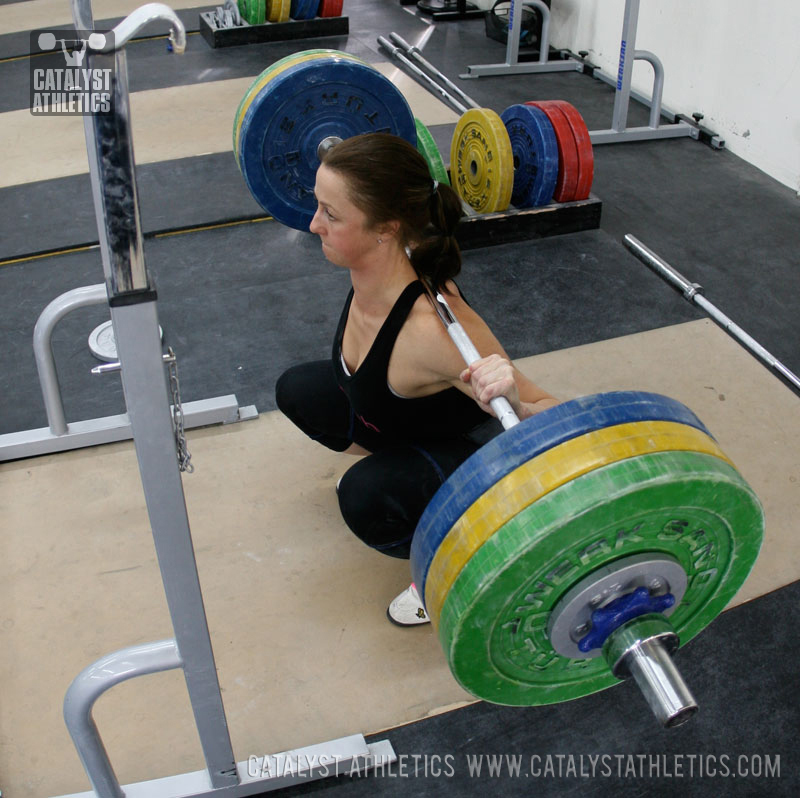
  1. Clean: 5 x 3 reps dropping each rep from the top, focusing on as close to perfect reps every set

Focus on technical perfection/bar control in all positions.
Intensity: 70-80% of 1RM; rest 2-3mins between sets

B. Front Squat: Sets: 4

Reps: 6-8 (Weeks 1-4)

Reps: 4-6 (Weeks 5-8)

Intensity: 75-85% of 1RM

C. Romanian Deadlift – sets: 3 x 8-10; rest 2

D. Pull-Ups Sets: 4 x reps: 8-10 (weighted if possible); rest :90secs

E. Trunk Work – Russian Twists & leg raises – sets: 3 x 15-20; rest 1min b/t sets

Tuesday: Traditional Strength and PAP

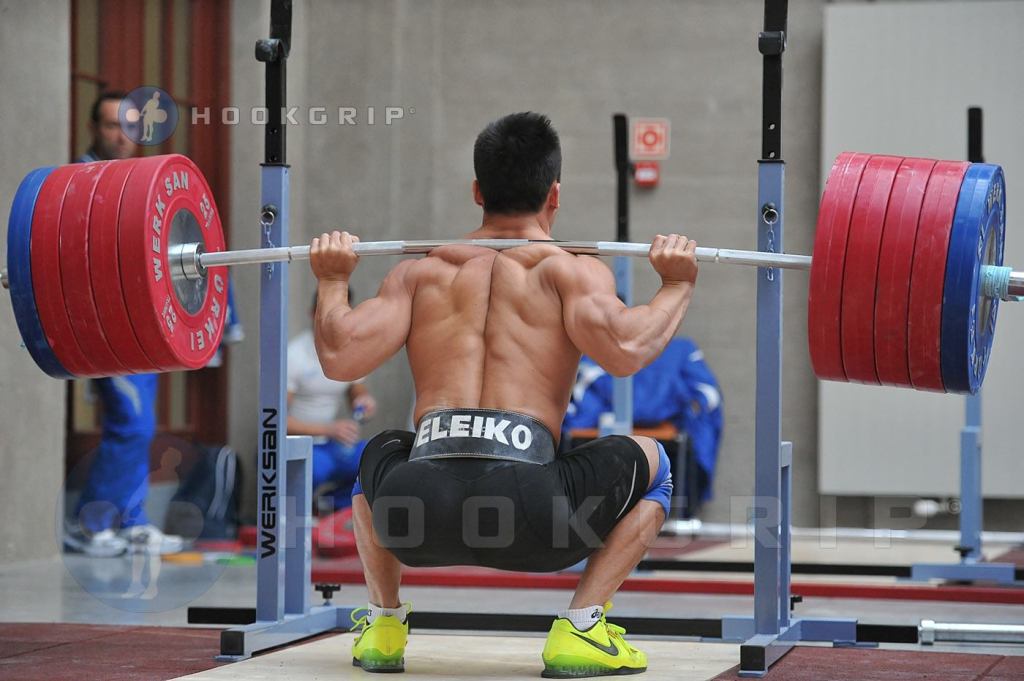
  1. Back Squat 5 x 5; rest 2-3 mins b/t sets — Intensity: 80-85% of 1RM
  2. Clean Pull (Heavy) Sets: 4 x 3 — Intensity: 90-110% of clean 1RM
    PAP Complex: 3 sets
    C1. Heavy Back Squat: 3 reps at 85-90% of 1RM
    C2. MAX Vertical Jump: 3-5 reps immediately after each squat set; Rest: 2-3 minutes between complexes
    D. Shoulder Press: Sets: 4 x 6-8

Wednesday: EASY MAP 10/Active Recovery/Mobility

MAP 10 for 30-45 minutes or mobility work and stretching focusing on hips, shoulders, and ankles

Thursday: Strength and Clean Technique

  1. Clean: Sets: 5 x 3

Intensity: 75-85% of 1RM

Focus on bar control in the first pull and FINISHing the second pull with maximal bar speed.

B. Deadlift – Sets: 4

x 5-6 (Weeks 1-4)

x 3-4 (Weeks 5-8)

Intensity: 80-90% of your CLEAN DL 1RM

C. Push Press – Sets: 4 x 6-8

D. Barbell Rows – Sets: 4 x 8-10

E. Trunk Work (Hanging Leg Raises, Side bends with empty bar on your back) – Sets: 3 x 15-20

Friday: Explosive Strength and PAP

PAP Complex: 3 sets

A1. Heavy Front Squat – 3 reps at 85-90% of 1RM; rest :10secs

       A2. Clean from Blocks: 3 reps (at 60-75%) immediately after each squat set; rest: 2-3 minutes between complexes

B. EXPLOSIVE Box Jumps 3 x 5; focus on one rep at a time being as explosive as possible; rest 1 min

C. Push Jerk 4 x 4-6; rest 2

D. Glute Ham Raise 3 x 15

Saturday: Accessory Work and Recovery

  1. Snatch Technique work (Light) 5 x 3 – Intensity: 60-70% of 1RM
  2. Overhead Squat 4 x 6-8
  3. Seated Dumbbell Shoulder Press 3 x 12-15

    D1. Banded Face Pulls 3 x 15; rest 0
    D2. Banded upright rows 3 x 15; rest 1

Sunday: Rest and Recovery
Full rest day to allow for recovery and muscle repair.

Detailed Program Highlights and Emphasis

Weeks 1-4: Strength and Hypertrophy Focus

Volume and Intensity:

Higher volume with moderate to heavy weights.

Focus on building a strong foundation with hypertrophy and strength work.

Snatch & Clean Technique:

Emphasize proper form and technique in the snatch & clean.

Use moderate weights to allow for technique improvements.

Traditional Strength Training:

We’ve incorporated compound lifts like squats, deadlifts, and presses to build overall strength. We also routinely rotate accessory exercises that target specific muscle groups to build positional strength.

Weeks 5-8: Explosive Strength and Speed

Volume and Intensity:

Increase intensity with heavier weights and lower reps.

Focus on explosive movements and speed strength.

Snatch + Clean & Jerk Technique:

Continue emphasizing technique but increase intensity to prepare for maximal lifts.

Post Activation Potentiation (PAP):

Use PAP complexes to enhance explosive power.

Perform heavy strength exercises followed by explosive movements to maximize power output.

Plyometric Training:

Incorporate plyometrics once a week to improve explosiveness and speed.

Exercises like box jumps and cleans from blocks complement the strength work.

Recovery and Nutrition — all around the world it’s the same song, it’s the same old song!

Sleep – Aim for 7-9 hours of quality sleep per night to support muscle recovery and growth.

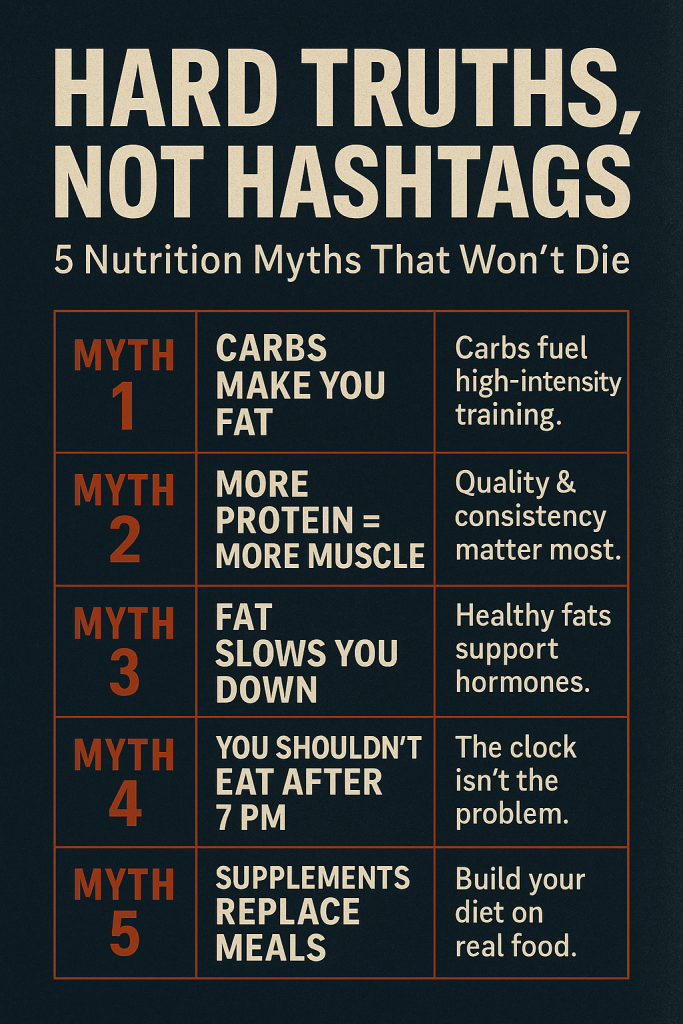
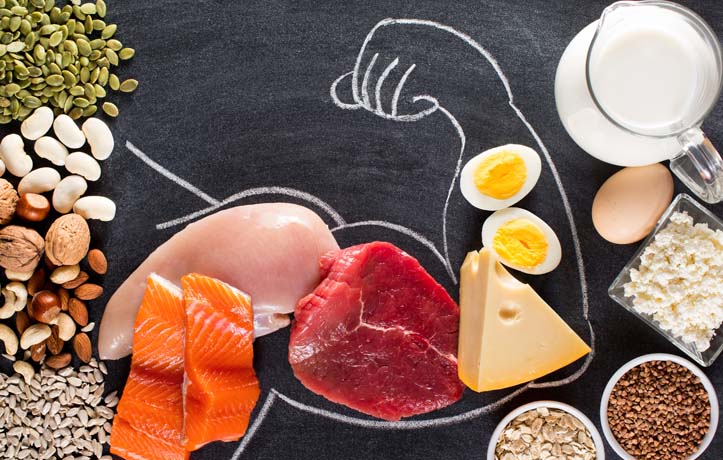
Nutrition – Protein: Consume 1.6-2.2 grams of protein per kilogram of body weight daily to support muscle repair.

Carbohydrates: Ensure adequate carbohydrate intake to fuel workouts and replenish glycogen stores. Include complex carbs like whole grains, fruits, and vegetables.

Healthy Fats: Incorporate healthy fats from sources like avocados, nuts, seeds, and olive oil to support overall health and hormone production.

Hydration – Stay well-hydrated to maintain performance and facilitate recovery. Don’t forget your electrolytes!

Active Recovery – Incorporate light activities such as MAP 10, kayaking, swimming, walking, yoga, or stretching on rest days to promote blood flow and reduce muscle soreness.

Monitoring Progress

Tracking your progress is essential for adjusting your program and ensuring continuous improvement.

Use a training log to record your workouts, including weights used, sets, reps, and any relevant notes on how you felt during each session.

Regular Testing: of your 1RMs to gauge strength improvements and adjust training intensities accordingly.

Adjustments – be sure to make them based on your progress and recovery. Then you can modify variables such as intensity, volume, and exercise selection to avoid plateaus and continue to make training fun and make sure youre maximizing your gains.

Final Thoughts

This 8-week Olympic weightlifting program combines traditional strength training with post activation potentiation (PAP) to enhance strength, explosive power, and speed in the and clean. By following this structured and periodized approach, you can achieve significant improvements in your lifting performance. Stay consistent, prioritize proper form, and adjust the program as needed to continue progressing toward your Olympic lifting goals. I hope you’ve enjoyed this article and that you find it beneficial in your training. Ive been writing individual and team/group training plans for almost two decades and am very passionate about helping folks achieve their goals. If you need helping to achieve your goals let me know and Id be happy to help you, too. Until next time, all the best!

Hypertrophy Phase for Building Strength in the High Bar Back Squat

Here’s a sample 8-Week Hypertrophy Phase for Building Strength in the High Bar Back Squat.
The high bar back squat is a foundational exercise for developing leg strength, power, and muscle hypertrophy. This 8-week hypertrophy program focuses on squatting twice a week, with an emphasis on high-repetition sets in the 15-20 rep range to stimulate muscle growth. Complementary accessory exercises, proper recovery, and nutrition are also crucial for maximizing gains during this phase.

Program Overview
The 8-week hypertrophy phase is divided into two 4-week blocks. Each block progressively increases the intensity and volume of your workouts to optimize muscle growth and strength. The program includes two squat sessions per week, supplemented with accessory exercises to target supporting muscle groups and ensure balanced development.

Week 1-4: Volume Accumulation

Focus: Build a foundation of muscle mass and muscle endurance.

  • Rep Range: 15-20 reps
  • Intensity: 50-60% of 1RM
  • Frequency: Twice per week

Week 5-8: Intensification

Focus: Increase intensity, maintaining high volume, and technical proficiency.

  • Rep Range: 12-15 reps
  • Intensity: 60-70% of 1RM
  • Frequency: Twice per week

Weekly Training Schedule

– Monday: High Bar Back Squat Focus

  • High Bar Back Squat: 4 sets of 15-20 reps
  • Romanian Deadlifts: 3 sets of 15-20 reps
  • Bulgarian Split Squats: 3 sets of 15-20 reps per leg
  • Front Foot Elevates Split Squat (FFESS): 3 sets of 20 reps – 10 per leg
  • Single leg, body weight calf raises: 3 sets of 20-25 reps

– Thursday: High Bar Back Squat Focus

  • High Bar Back Squat: 4 sets of 15-20 reps
  • Walking Lunges: 3 sets of 15-20 reps per leg
  • Front Squats: 3 sets of 10 reps at 40-50%
  • Frog Pumps: 3 sets of 15-20 reps
  • Tib Raises: 3 sets of 30 reps

Week 5-8 Adjustments

As you progress into the second block, increase the intensity by raising the weight and slightly lowering the rep range to 12-15 reps per set while maintaining the same structure and exercise selection.

Monday: High Bar Focus

  • High Bar Back Squat: 4 sets of 12-15 reps
  • Romanian Deadlifts: 3 sets of 12-15 reps
  • FFESS: 3 sets of 12-15 reps per leg
  • Reverse Hyper: 3 sets of 12-15 reps
  • Single leg, body weight calf raises: 3 sets of 15-20 reps

Thursday: High Bar Focus

  • High Bar Back Squat: 4 sets of 12-15 reps
  • Walking Lunges: 3 sets of 12-15 reps per leg
  • Front Squats: 3 sets of 10 reps at 40-50%
  • Frog Pumps: 3 sets of 15-20 reps
  • Tib Raises: 3 sets of 15-20 reps

Recovery and Nutrition: Prioritizing recovery and proper nutrition is crucial for maximizing gains during the hypertrophy phase:

Sleep: The NUMBER 1 thing you can fix to see increases in the gym — adequate rest and recovery! Aim for 7-9 hours of quality sleep each night to support muscle recovery and growth.

Nutrition:

Protein: Consume 1.6-2.2 grams of protein per kg of body weight daily to support muscle repair.

Carbohydrates: Ensure adequate carbohydrate intake to fuel workouts and replenish glycogen stores. Include complex carbs like whole grains, fruits, and vegetables.

Healthy Fats: Incorporate healthy fats from sources like avocados, nuts, seeds, and olive oil to support overall health and hormone production.

Hydration: Stay well-hydrated to maintain performance and facilitate recovery.

Active Recovery: Incorporate intensity work on such as MAP 10 training, walking, kayaking, yoga, or stretching on rest days to promote blood flow and reduce muscle soreness.

Monitoring Your Progress: Tracking your progress is essential for adjusting your program and ensuring continuous improvement:

Training Log: Record your workouts, including weights used, sets, reps, and any relevant notes on how you felt during each session.

Regular Testing: Periodically test your 1RM to gauge strength improvements and adjust training intensities accordingly. I’d suggest testing your 1RM every 3 to 4 months.

Adjustments: Based on your progress and recovery, modify variables such as intensity, volume, and exercise selection to avoid plateaus and continue making gains.

Final Thoughts:

An 8-week hypertrophy phase focused on the high bar back squat can significantly enhance your leg strength and muscle mass. By incorporating a structured training program that emphasizes high-repetition sets, prioritizing recovery and nutrition, and monitoring your progress, you can achieve substantial gains in your squat performance and overall strength. Stay consistent, maintain proper form, and adjust your program as needed to continue progressing towards your strength and hypertrophy goals.

Always remember, quality of reps over quantity of reps!

How To Program MAP 10 Aerobic Workouts

What are Map 10 Aerobic Workouts?

Map 10, which stands for Maximal Aerobic Power, simply means that work at this pace is very easy. As you move from MAP 10 to MAP 1, the pace increases as and the time of each interval drops in length.

Why do we love MAP 10 specifically?

It’s great for recovery!

The Story of OPEX Fitness and James FitzGerald | OPEX Fitness

MAP 10 Can Help You Recover from Soreness

A time tested and proven method that’s especially relevant to functional fitness athletes is mixing intense training with slow recovery sessions throughout the week. This style of training is often referred to as “High Low Method.”

OPEX Fitness calls the slow recovery style of aerobic work “MAP 10”. This is taught in the OPEX Coaching Certificate Program (CCP) because coaches must be able to prescribe a wide variety of training paces, dependent on their client’s needs. When programming different paces, coaches are also tapping into different energy systems. There are three main energy systems refer that we refer to as OPEX Gain, Pain, and Sustain:

(Coach’s Resource: Learn more about how to train specific energy systems in this free guide.)

  • Gain – this is scientifically referred to as the Anaerobic Alactic System. This system refers to very short, 1-20 seconds, bursts of energy at very high power, or “turnover.” Gain refers to you not being able to sustain your power output past that length of time because your muscles cannot continue to turn over fast enough
  • Pain – this is scientifically referred to as the Anaerobic Lactic System. This system refers to a longer interval time, 20 to 720 seconds, at higher power, or turnover. While the range is much longer, you’ll notice the word “Anaerobic” still remains in the name. That means that it isn’t aerobic which means that it isn’t sustainable. If you hold that higher power for those time periods, you will now “feel the burn” and you will recognize that you cannot hold that pace forever
  • Sustain – this is scientifically referred to as the aerobic system. This system refers to efforts that are sustainable. As you move from MAP 1 to MAP 10, your time frame gets even longer, and your power output goes down even more.

MAP 10 pace is on the far end requiring the most amount of time at the slowest pace with the least amount of power, therefore, falling under the Sustain “curve.” Whereas Gain begins with slow and low volume efforts in the beginning followed by a progression of faster, more voluminous efforts later. MAP 10 efforts should begin with longer efforts at a slower pace in the beginning (for most people). The reason MAP 10 needs to start with such long efforts is that you need to keep the pace easy. Very easy effort mixed with smaller amounts of eccentric muscle contractions is often interpreted as recovery by your body.

James FitzGerald vs. Carl Hardwick ...

How to Program MAP 10 Aerobic Workouts

When programming MAP 10 you often want to begin with more aerobic – long easier efforts – work before you implement Gain work into your client/athlete’s fitness program because it builds your ability to do more work – volume – in your training.

To benefit greatly from MAP 10 – and easy aerobic work – make sure you minimize the eccentric load on your client. In the video, you will notice that Solange is doing carries (overhead, suitcase, etc…), Flywheel biking, versa climbing, Front Leaning Rest – FLR (plank) on the rings – etc…The lack of eccentric work allows her body to get better recovery than she would if she was pounding her body day in and day out in her “aerobic” work.

To pick great MAP 10 workouts, you want to pick easy, non-eccentric work and “go easy.” You don’t need to overthink this. You just need to move blood, find relaxation and rhythm, and be consistent in “going long.” People get scared of doing a 60-minute workout because they are going long and hard. MAP 10 is long and easy! To progress in this, you will add volume, but you would still get the pace nice and easy.

Programming MAP 10 Aerobic Workouts For Athletes

High-level athletes may have five morning sessions of 60-90 minutes of MAP 10 work + two “off” days of three sessions/day of 60-90 min of easy aerobic pieces. It will be all different styles of movement but do the math of that volume. They may have 8-12 hours of easy aerobic work each week on top of 3-4 hours per week of intense work.

When you are doing your easy aerobic work, don’t be afraid to go at conversational pace or listen to a podcast or read a book if you are on a machine that allows you to do that. We don’t recommend Deadmau5 for easy aerobic work unless you want to “wake up” 20 min into a row at 180 beats per minute heart rate. Also, don’t be afraid to just walk (in the sun if possible)

james fitzgerald crossfit for Sale,Up To OFF 66%

Next Steps

MAP 10 is just tapping into one of the body’s three energy systems. If you are looking to become a professional coach and develop your programming ability download our free guide Energy System Training, today.

For more information visit Opexfit.com today!

Rep after Rep — Easy Day

Don’t no rep me

When I first wrote this, I wasn’t chasing promotions or algorithms. I was just trying to keep showing up to train, to learn, to get a little better each day. Back then, “rep after rep” was more than a training mantra. It was a way to stay grounded when progress felt invisible.

The hardest part wasn’t physical. It was the repetition, the daily grind that felt endless. Whether I was refining form under the barbell or troubleshooting code that refused to run, the challenge was the same: staying patient when nothing seemed to move forward.

Some days you make the lift. Some days the lift makes you. But the point is always to come back tomorrow.

At some point, I stopped expecting each session, physical or mental, to feel like a breakthrough. The breakthrough was the habit itself. The more I showed up, the more the process began to reveal patterns: what worked, what didn’t, and how small adjustments compound over time.

In strength and in cybersecurity, consistency is the quiet multiplier. Each drill, each review, each run-through, one more rep toward mastery.

That same mindset carries through everything I do now — training teams, hardening systems, or writing content. I don’t chase perfect outcomes anymore. I look for steady iterations. A little tighter form. A cleaner line of code. A stronger policy.

That’s how resilience is built, not simply through intensity, but through consistency.

Progress doesn’t shout. It stacks. And one day, you realize the work that used to test you has become the warm-up.

Training for the day:

7 mins of:

7 Banded Sumos

7 Banded bodyweight squats w/moderate band

7 Calf raises

+

A. Back Squat 10, 10,10,10; rest 2/2:30 – 10 RM-ish

B1. Heels elevated air squats x 10 x 3; rest :10

B2. RDL w/an empty bar, sweep away — lumbar focus x 15 x 3; rest 1

C. SL RDL stability, unloaded x 10 x 3; — 5 per leg; rest 1

+

10min alt EMOM:

20 Step-ups – 10 per

15 push-ups

Martial skill work — 5 x 5 min rounds of Z2-Z4 striking, upper push/pull bodyweight movements in trapping/grappling range, and take down defense/sprawling/working underhook escapes et cetera.

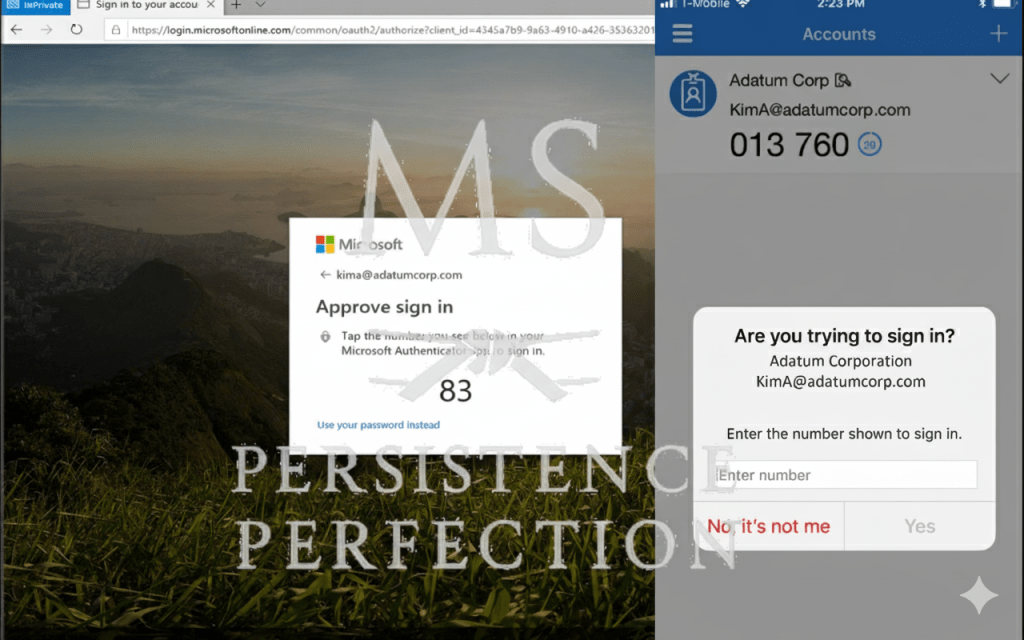
Today in my world of Linux and pentesting I worked on building out an Active Directory Lab and worked on the initial attack vectors when attacking an AD based system. Things like LLMNR Poisoning, Capturing NTLMv2 Hashes with Responder, Password Cracking with Hashcat, LLMNR Poisoning Defense, SMB Relay Attacks, Discovering Hosts with SMB Signing Disabled, Start SMB Relay Attack Defenses, & Gaining Shell Access.

Current affairs:

We Got Him (Again, and Again, and Again): On the Latest ISIS Takedown In a Long Line of American Military Actions by Andrew Bacevich

Virginia Supreme Court throws out challenge to Youngkin mask order

Bombshell Proof The ATTACK On Joe Rogan Is Politically Funded! This Is Deeper Than Spotify!

Boom: Rumble offers Joe Rogan $100M to leave Spotify…

And of course, the twat waffle who is Jonah Goldberg, is returning to his roots.

水滸傳
The Outlaws of the Marsh