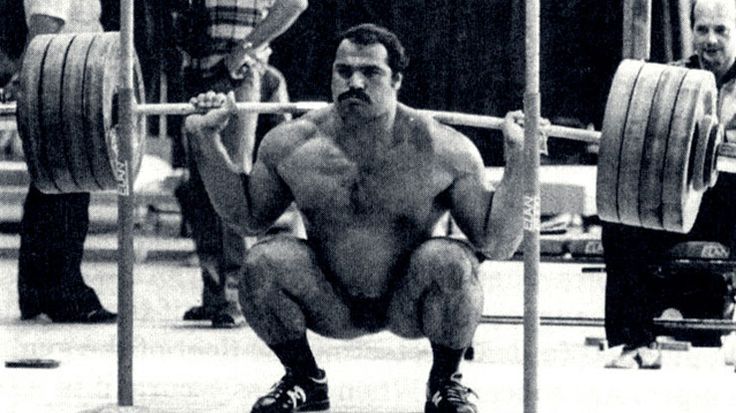
This 8-week program is designed to improve overall strength, explosive power via Type IIx muscle fiber development, and speed in the clean using traditional strength training methods and post activation potentiation (PAP). PAP involves performing heavy strength exercises followed by explosive movements to enhance neuromuscular performance.
Program Structure & Purpose of This Method of Training
- Weeks 1-4: Strength and Hypertrophy Focus
Builds a solid foundation of strength in the specific movements and build overall muscle mass.
Emphasis is on moderate to heavy weights with traditional strength training methods.
- Weeks 5-8: Explosive Strength and Speed
Increase the focus on explosive movements and speed.
Utilize PAP techniques to develop explosiveness in the lifts and maximize power output.
Weekly Training Schedule
Monday: Strength and Clean Technique
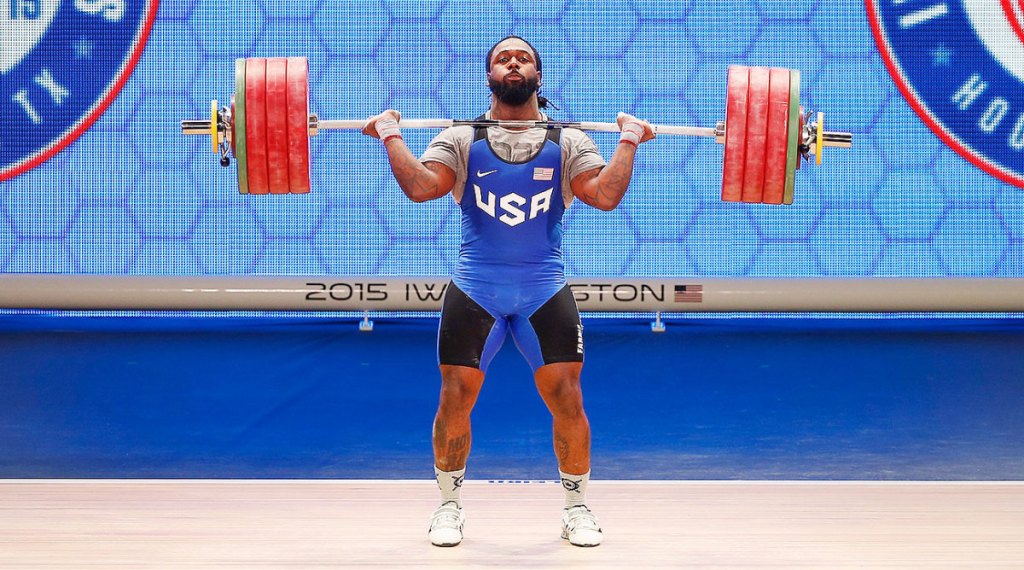
- Clean: 5 x 3 reps dropping each rep from the top, focusing on as close to perfect reps every set
Focus on technical perfection/bar control in all positions.
Intensity: 70-80% of 1RM; rest 2-3mins between sets
B. Front Squat: Sets: 4
Reps: 6-8 (Weeks 1-4)
Reps: 4-6 (Weeks 5-8)
Intensity: 75-85% of 1RM
C. Romanian Deadlift – sets: 3 x 8-10; rest 2
D. Pull-Ups Sets: 4 x reps: 8-10 (weighted if possible); rest :90secs
E. Trunk Work – Russian Twists & leg raises – sets: 3 x 15-20; rest 1min b/t sets
Tuesday: Traditional Strength and PAP
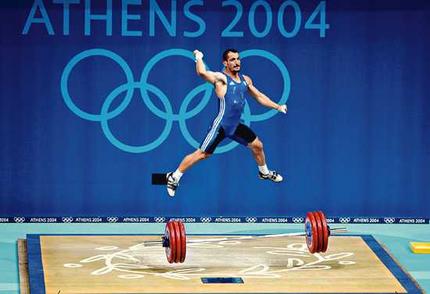
- Back Squat 5 x 5; rest 2-3 mins b/t sets — Intensity: 80-85% of 1RM
- Clean Pull (Heavy) Sets: 4 x 3 — Intensity: 90-110% of clean 1RM
PAP Complex: 3 sets
C1. Heavy Back Squat: 3 reps at 85-90% of 1RM
C2. MAX Vertical Jump: 3-5 reps immediately after each squat set; Rest: 2-3 minutes between complexes
D. Shoulder Press: Sets: 4 x 6-8
Wednesday: EASY MAP 10/Active Recovery/Mobility
MAP 10 for 30-45 minutes or mobility work and stretching focusing on hips, shoulders, and ankles
Thursday: Strength and Clean Technique
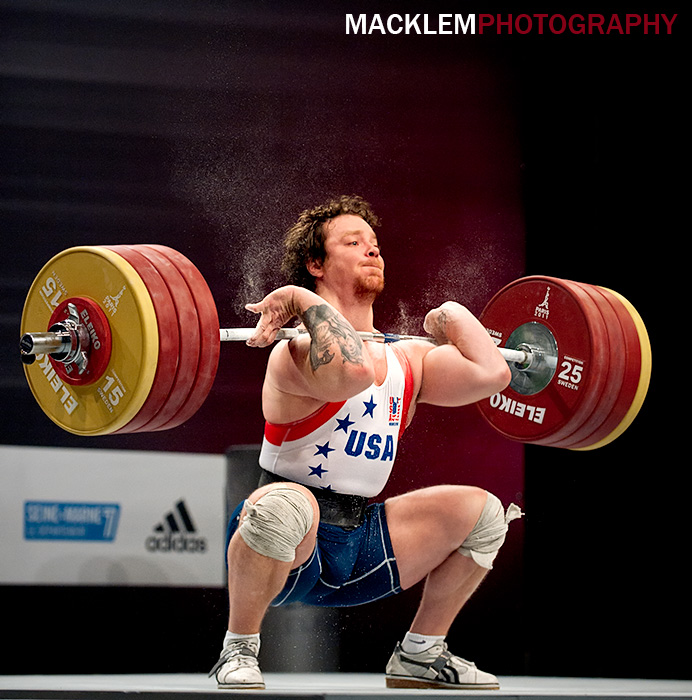
- Clean: Sets: 5 x 3
Intensity: 75-85% of 1RM
Focus on bar control in the first pull and FINISHing the second pull with maximal bar speed.
B. Deadlift – Sets: 4
x 5-6 (Weeks 1-4)
x 3-4 (Weeks 5-8)
Intensity: 80-90% of your CLEAN DL 1RM
C. Push Press – Sets: 4 x 6-8
D. Barbell Rows – Sets: 4 x 8-10
E. Trunk Work (Hanging Leg Raises, Side bends with empty bar on your back) – Sets: 3 x 15-20
Friday: Explosive Strength and PAP
PAP Complex: 3 sets
A1. Heavy Front Squat – 3 reps at 85-90% of 1RM; rest :10secs
A2. Clean from Blocks: 3 reps (at 60-75%) immediately after each squat set; rest: 2-3 minutes between complexes
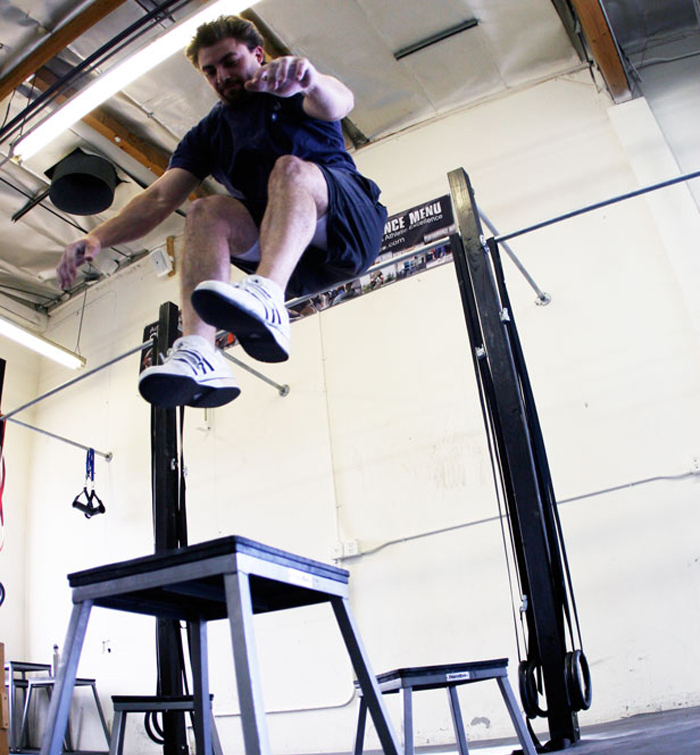
B. EXPLOSIVE Box Jumps 3 x 5; focus on one rep at a time being as explosive as possible; rest 1 min
C. Push Jerk 4 x 4-6; rest 2
D. Glute Ham Raise 3 x 15
Saturday: Accessory Work and Recovery
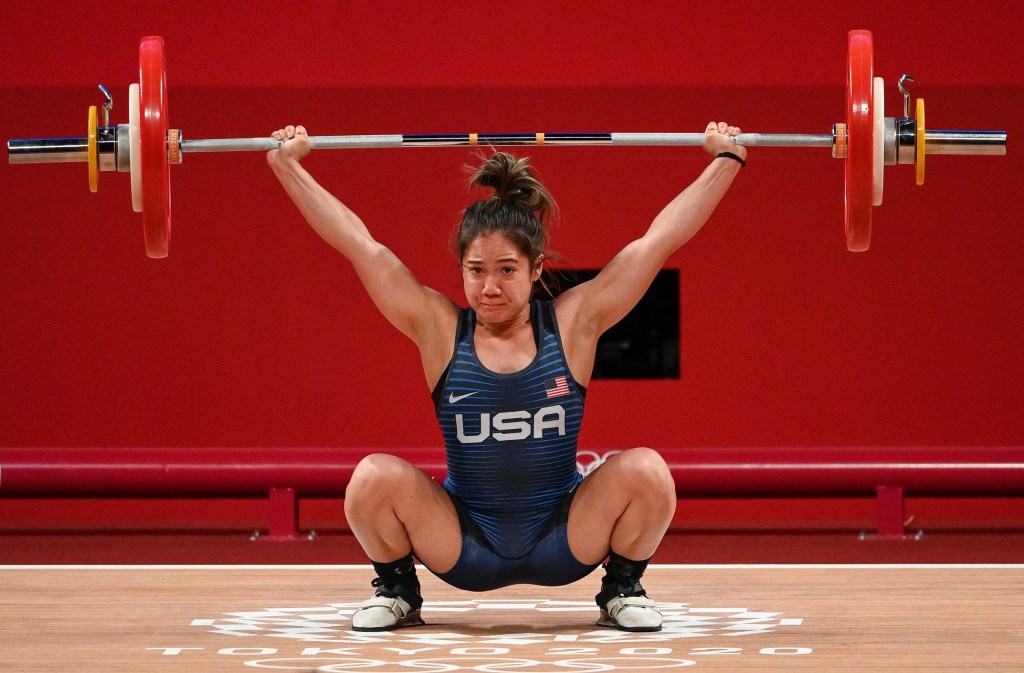
- Snatch Technique work (Light) 5 x 3 – Intensity: 60-70% of 1RM
- Overhead Squat 4 x 6-8
- Seated Dumbbell Shoulder Press 3 x 12-15
D1. Banded Face Pulls 3 x 15; rest 0
D2. Banded upright rows 3 x 15; rest 1
Sunday: Rest and Recovery
Full rest day to allow for recovery and muscle repair.
Detailed Program Highlights and Emphasis
Weeks 1-4: Strength and Hypertrophy Focus
Volume and Intensity:
Higher volume with moderate to heavy weights.
Focus on building a strong foundation with hypertrophy and strength work.
Snatch & Clean Technique:
Emphasize proper form and technique in the snatch & clean.
Use moderate weights to allow for technique improvements.
Traditional Strength Training:
We’ve incorporated compound lifts like squats, deadlifts, and presses to build overall strength. We also routinely rotate accessory exercises that target specific muscle groups to build positional strength.

Weeks 5-8: Explosive Strength and Speed
Volume and Intensity:
Increase intensity with heavier weights and lower reps.
Focus on explosive movements and speed strength.
Snatch + Clean & Jerk Technique:
Continue emphasizing technique but increase intensity to prepare for maximal lifts.
Post Activation Potentiation (PAP):
Use PAP complexes to enhance explosive power.
Perform heavy strength exercises followed by explosive movements to maximize power output.
Plyometric Training:

Incorporate plyometrics once a week to improve explosiveness and speed.
Exercises like box jumps and cleans from blocks complement the strength work.
Recovery and Nutrition — all around the world it’s the same song, it’s the same old song!
Sleep – Aim for 7-9 hours of quality sleep per night to support muscle recovery and growth.
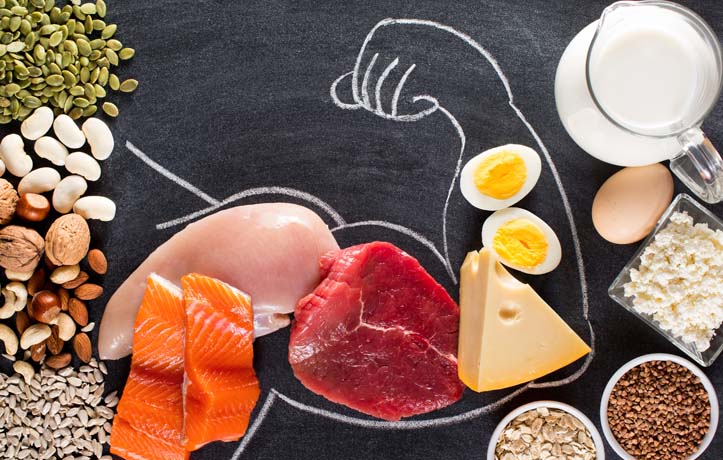
Nutrition – Protein: Consume 1.6-2.2 grams of protein per kilogram of body weight daily to support muscle repair.
Carbohydrates: Ensure adequate carbohydrate intake to fuel workouts and replenish glycogen stores. Include complex carbs like whole grains, fruits, and vegetables.
Healthy Fats: Incorporate healthy fats from sources like avocados, nuts, seeds, and olive oil to support overall health and hormone production.
Hydration – Stay well-hydrated to maintain performance and facilitate recovery. Don’t forget your electrolytes!
Active Recovery – Incorporate light activities such as MAP 10, kayaking, swimming, walking, yoga, or stretching on rest days to promote blood flow and reduce muscle soreness.
Monitoring Progress
Tracking your progress is essential for adjusting your program and ensuring continuous improvement.
Use a training log to record your workouts, including weights used, sets, reps, and any relevant notes on how you felt during each session.
Regular Testing: of your 1RMs to gauge strength improvements and adjust training intensities accordingly.
Adjustments – be sure to make them based on your progress and recovery. Then you can modify variables such as intensity, volume, and exercise selection to avoid plateaus and continue to make training fun and make sure youre maximizing your gains.
Final Thoughts
This 8-week Olympic weightlifting program combines traditional strength training with post activation potentiation (PAP) to enhance strength, explosive power, and speed in the and clean. By following this structured and periodized approach, you can achieve significant improvements in your lifting performance. Stay consistent, prioritize proper form, and adjust the program as needed to continue progressing toward your Olympic lifting goals. I hope you’ve enjoyed this article and that you find it beneficial in your training. Ive been writing individual and team/group training plans for almost two decades and am very passionate about helping folks achieve their goals. If you need helping to achieve your goals let me know and Id be happy to help you, too. Until next time, all the best!

 Matt Shannon, Security Pro