Here’s a sample 8-Week Hypertrophy Phase for Building Strength in the High Bar Back Squat.
The high bar back squat is a foundational exercise for developing leg strength, power, and muscle hypertrophy. This 8-week hypertrophy program focuses on squatting twice a week, with an emphasis on high-repetition sets in the 15-20 rep range to stimulate muscle growth. Complementary accessory exercises, proper recovery, and nutrition are also crucial for maximizing gains during this phase.
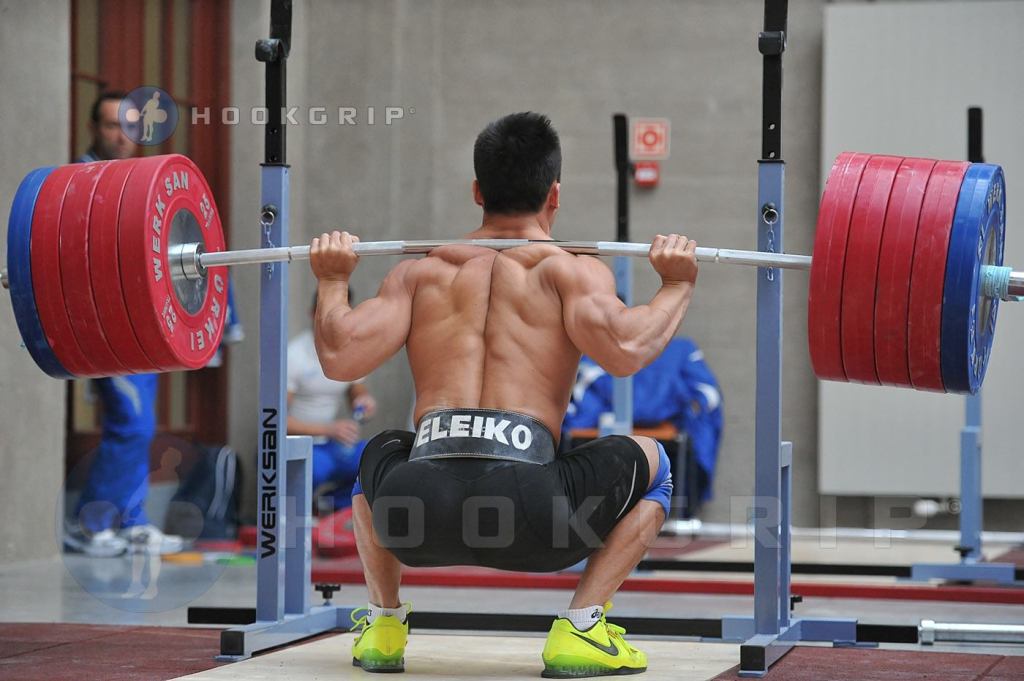
Program Overview
The 8-week hypertrophy phase is divided into two 4-week blocks. Each block progressively increases the intensity and volume of your workouts to optimize muscle growth and strength. The program includes two squat sessions per week, supplemented with accessory exercises to target supporting muscle groups and ensure balanced development.
Week 1-4: Volume Accumulation
Focus: Build a foundation of muscle mass and muscle endurance.
- Rep Range: 15-20 reps
- Intensity: 50-60% of 1RM
- Frequency: Twice per week
Week 5-8: Intensification
Focus: Increase intensity, maintaining high volume, and technical proficiency.
- Rep Range: 12-15 reps
- Intensity: 60-70% of 1RM
- Frequency: Twice per week

Weekly Training Schedule
– Monday: High Bar Back Squat Focus
- High Bar Back Squat: 4 sets of 15-20 reps
- Romanian Deadlifts: 3 sets of 15-20 reps
- Bulgarian Split Squats: 3 sets of 15-20 reps per leg
- Front Foot Elevates Split Squat (FFESS): 3 sets of 20 reps – 10 per leg
- Single leg, body weight calf raises: 3 sets of 20-25 reps
– Thursday: High Bar Back Squat Focus
- High Bar Back Squat: 4 sets of 15-20 reps
- Walking Lunges: 3 sets of 15-20 reps per leg
- Front Squats: 3 sets of 10 reps at 40-50%
- Frog Pumps: 3 sets of 15-20 reps
- Tib Raises: 3 sets of 30 reps
Week 5-8 Adjustments
As you progress into the second block, increase the intensity by raising the weight and slightly lowering the rep range to 12-15 reps per set while maintaining the same structure and exercise selection.
Monday: High Bar Focus
- High Bar Back Squat: 4 sets of 12-15 reps
- Romanian Deadlifts: 3 sets of 12-15 reps
- FFESS: 3 sets of 12-15 reps per leg
- Reverse Hyper: 3 sets of 12-15 reps
- Single leg, body weight calf raises: 3 sets of 15-20 reps
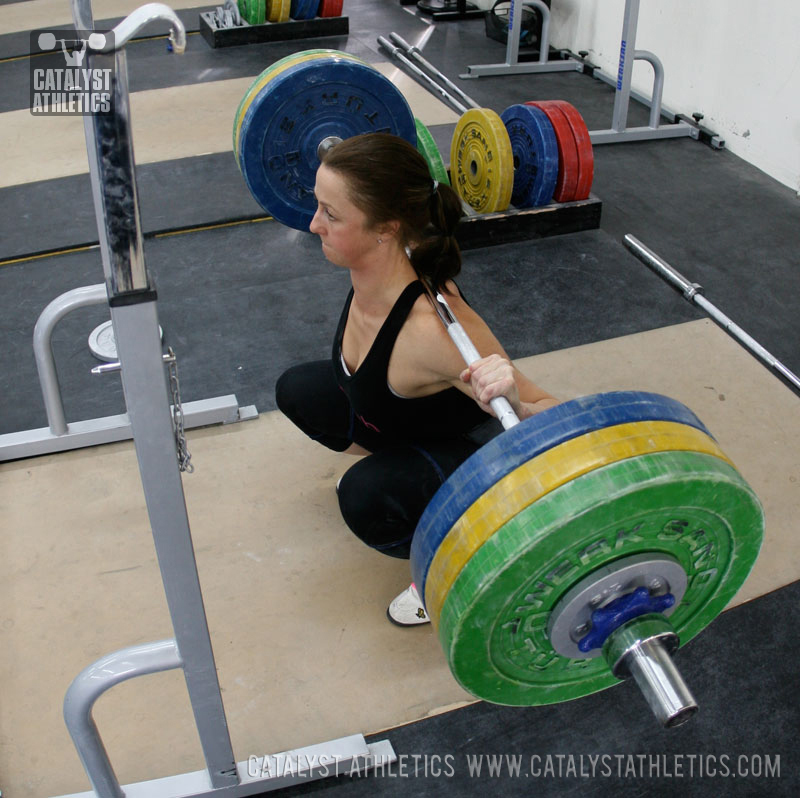
Thursday: High Bar Focus
- High Bar Back Squat: 4 sets of 12-15 reps
- Walking Lunges: 3 sets of 12-15 reps per leg
- Front Squats: 3 sets of 10 reps at 40-50%
- Frog Pumps: 3 sets of 15-20 reps
- Tib Raises: 3 sets of 15-20 reps
Recovery and Nutrition: Prioritizing recovery and proper nutrition is crucial for maximizing gains during the hypertrophy phase:
Sleep: The NUMBER 1 thing you can fix to see increases in the gym — adequate rest and recovery! Aim for 7-9 hours of quality sleep each night to support muscle recovery and growth.
Nutrition:

Protein: Consume 1.6-2.2 grams of protein per kg of body weight daily to support muscle repair.
Carbohydrates: Ensure adequate carbohydrate intake to fuel workouts and replenish glycogen stores. Include complex carbs like whole grains, fruits, and vegetables.
Healthy Fats: Incorporate healthy fats from sources like avocados, nuts, seeds, and olive oil to support overall health and hormone production.
Hydration: Stay well-hydrated to maintain performance and facilitate recovery.
Active Recovery: Incorporate intensity work on such as MAP 10 training, walking, kayaking, yoga, or stretching on rest days to promote blood flow and reduce muscle soreness.
Monitoring Your Progress: Tracking your progress is essential for adjusting your program and ensuring continuous improvement:
Training Log: Record your workouts, including weights used, sets, reps, and any relevant notes on how you felt during each session.
Regular Testing: Periodically test your 1RM to gauge strength improvements and adjust training intensities accordingly. I’d suggest testing your 1RM every 3 to 4 months.
Adjustments: Based on your progress and recovery, modify variables such as intensity, volume, and exercise selection to avoid plateaus and continue making gains.
Final Thoughts:
An 8-week hypertrophy phase focused on the high bar back squat can significantly enhance your leg strength and muscle mass. By incorporating a structured training program that emphasizes high-repetition sets, prioritizing recovery and nutrition, and monitoring your progress, you can achieve substantial gains in your squat performance and overall strength. Stay consistent, maintain proper form, and adjust your program as needed to continue progressing towards your strength and hypertrophy goals.
Always remember, quality of reps over quantity of reps!

 Matt Shannon, Security Pro