Meal Prep for Real Life: How to Cook Once, Eat All Week

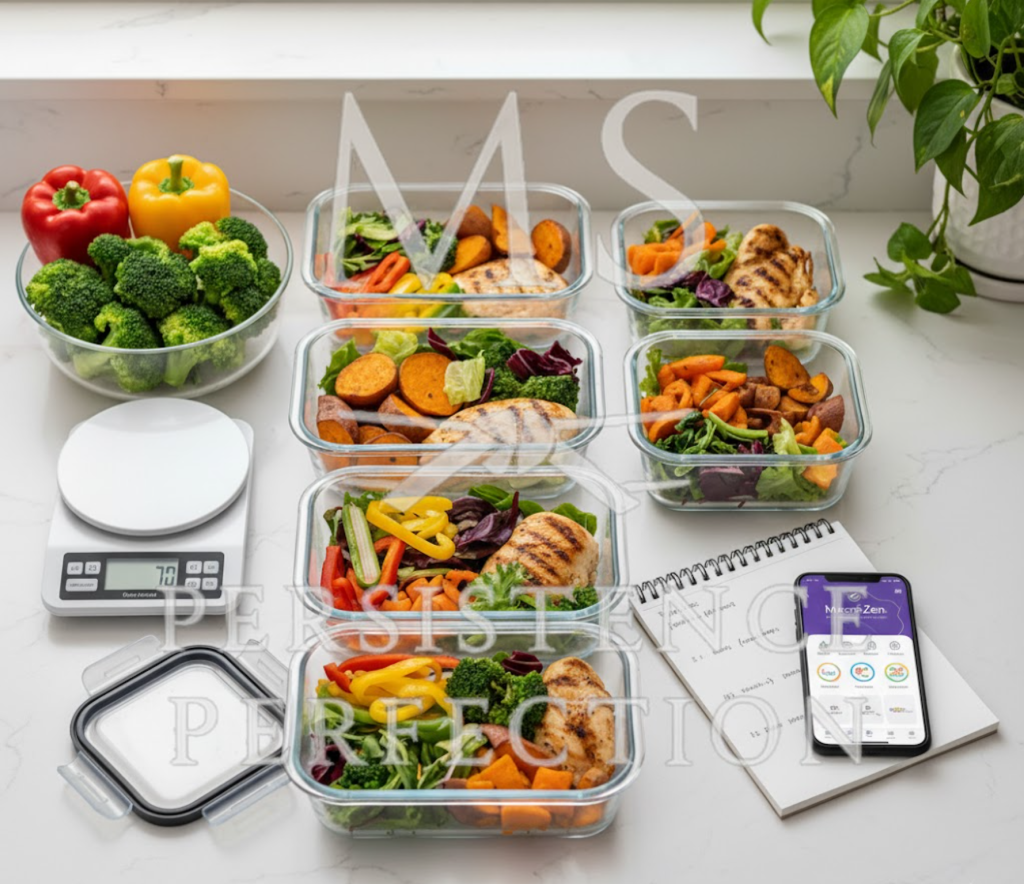
Meal prep isn’t just for the ultra-disciplined or Insta-famous. Sure, you’ve seen those photos: Tupperware lined up like soldiers, meals color-coded, macros counted. But let’s be real, that’s not most people’s life.

What if you could meal prep without spending eight hours every Sunday or needing a second fridge? Real meal prep isn’t about perfection; it’s about persistence and readiness. It’s about building a system that fits your training, work, and flexibility needs. When you fuel your life with intention, everything else sharpens into place.

Step One: Choose Your “Prep Style”

There are three main approaches to meal prep, and the one that’s best for you depends on your schedule and personality:

  1. Batch Prep (Traditional): Make full meals ahead of time. Roast a tray of chicken thighs, cook up a pot of rice, and steam some broccoli. Stack them, label them, done. Good for those who like structure and predictability.
  2. Buffet Prep (Modular): Prep components instead of full meals. Think proteins (ground beef, eggs), starches (sweet potatoes, oats), and fats (olive oil, avocado). Mix and match daily based on cravings or training demands.
  3. Half-Prep (Hybrid): Prep only the time-consuming tasks, like chopping vegetables or marinating proteins, so cooking during the week is more efficient but still flexible.

Step Two: Focus on Your Macro Anchors

Every meal should hit three pillars:

  • Protein: This is your building block. Prep double what you think you need. Think grilled chicken, grass-fed, slow-cooked pork shoulder, hard-boiled eggs, and Greek yogurt.
  • Smart Carbs: These are your fuel tanks. Rotate between your favorite veggies, white rice, potatoes, and fruit. Make them in bulk and store flat in zip-top bags to save space.
  • Healthy Fats: Olive oil, nuts, avocado, seeds. Never forget flavor is fuel, too. Keep these on hand for fast drizzles or topping swaps.

Make meals that tick the macro boxes without requiring a calculator. Example?

  • Ground turkey (who doesn’t love leftovers?) + sautéed kale + roasted sweet potato + a sprinkle of feta and olive oil.
  • Scrambled eggs + pepper and onions + chopped spinach + avocado.

Easily repeatable, nourishing, and delicious.

Step Three: Make Friends with Your Freezer

Your freezer isn’t just for waffles and ice cream. It’s your long-term meal prep MVP. Here’s how to make it work for you:

  • Buy bulk frozen vegetables and fruits.
  • Freeze leftover portions of chili, stew, or curry in single-serve containers.
  • Portion “smoothie” bags with fruits, nut butters, and protein powder. Blend them up and freeze them ahead of time – easy-peasy.
  • Store cooked rice or roasted veggies flat in freezer bags for quick reheats.

Pro tip: Label and date everything. No mystery meals!

Step Four: Build In the “Rescue Meals”

Life happens. You’ll miss a prep day, forget your lunch, or get stuck in traffic. That’s when “rescue meals” save the day:

  • Package tuna or salmon + cucumber and tomato slices + olive oil
  • Grilled steak + half a sweet potato with a dash of cinnamon + two slices of crispy bacon.
  • Hard-boiled eggs + fruit of your choice + handful of almonds

Not fancy. But fast, macro-friendly, and better than skipping meals or panic-ordering pizza.

Step Five: Keep it Repeatable

The secret to success isn’t variety, it’s consistency. Most people thrive on 2-3 breakfast options, 3-4 go-to lunches, and 4-5 dinner templates. Boring? Maybe. But boring builds bodies. Save your culinary creativity for the weekends if that’s your thing.

Meal prep isn’t about being a hero. It’s about staying disciplined and staying in the fight.

The win is showing up to train with fuel already in the tank. The win is making your life easier, one container at a time. Prep is something to be proud of and it’s a version of self-respect you can see every day.

Pick your style and start prepping, your future self will thank you.
No More Macro Mayhem: How to Hit Your Numbers Without Losing Your Mind

After years of lifting, training, and meeting real-life performance demands, you realize your nutrition plan shouldn’t feel like another workout. But for many people, it turns into a tracking obsession, a spreadsheet habit, or a source of stress or anxiety every time you eat.

Let’s change that.

Why macros matter, but not how you think.

Macronutrients (protein, carbs, and fats) are the foundation of performance. They help your muscles rebuild, maintain hormonal balance, and support the overall recovery process. But knowing about them doesn’t mean you have to let them control you.

As the saying goes, precision doesn’t mean perfection. It means having a system. If you want to train hard and stay healthy for years, your nutrition shouldn’t wear you out mentally. It should feel natural, not like a burden.

Three Rules to Keep It Simple and Consistent

  1. In the Beginning, Pick Your Baseline and Repeat It
    Select one meal, either breakfast or lunch, that aligns with your nutrition goals and fits your daily routine. Use the same amount of protein, carbohydrates, and fat each time. If keeping it simple helps, don’t worry about making it exciting. Simple meals build structure, and structure leads to consistency.

    This meal becomes your anchor, helping you stay on track. After week one, you can start making small changes to keep your meals interesting while still keeping things simple.
  2. When Portioning, Simply Use Visual Portion Anchors
    Instead of chasing macros with a food scale, use your hands as portion tools:
    • Protein = palm of your hand
    • Carbs = cupped hand
    • Fats = thumb or small handful

      This method works for everyone from tactical athletes to Olympic weightlifters and CrossFit competitors. It’s not about being exact with every number. It’s about enjoying your food and reaching your goals by being consistent and making steady progress each day.
  3. Make Tweaks with Purpose, Not Panic
    Most people make changes too soon out of worry. Try not to do that. If your training feels off or you’re hungrier than usual outside of workout times, make minor adjustments instead: add +5% protein. +10% carbs. Be sure you’re consuming the bulk of your carbs around your training window.

    Here’s a bonus tip: Start by keeping notes. Each week, look back, notice any patterns, and make changes with confidence. Being consistent and clear is better than chasing new trends or getting distracted by outside opinions.

What Gets In the Way

Let’s be honest: people don’t miss their macros because they’re lazy. It happens because life gets busy, maybe you didn’t sleep well, your kids are sick, your workout got delayed, or work meetings piled up.

That’s why I follow a simple rule: plan your meals for the life you really have, not the one you wish you could organize. If your plan falls apart when things get unpredictable, it needs to be stronger. Don’t stress—just adapt and keep going.

That’s where coaching and real-world experience make the difference.

The Coach’s Corner

I’ve seen this happen with everyone I’ve coached—military members, athletes, and in my own nutrition journey, even while running a Paleo meal prep business. I always try to share these ideas and show people how to cook good food that supports real performance. The athletes who succeed over time don’t eat perfectly; they eat well and stay consistent. They build habits, rely on routines, and make their food work for them.

This Week’s Action Plan

  • Anchor a meal: Pick one go-to meal that hits your macros and repeat it 4–5 days this week.
  • Use your hands: Apply the visual anchor method to every other meal.
  • Track with context: Pick one training day and one rest day to log. How did you feel? What did you eat? Did it support recovery?
  • If necessary, adjust just one thing next week based on performance, energy, or hunger cues.

Final Word

This is about fueling your performance without burning out. Your training needs clarity, and your life needs structure. Eating well and hitting your macros shouldn’t feel like a burden. It can be the steady, powerful engine that keeps everything running smoothly in the background.

Try these strategies and let your nutrition support your best work, both in the gym and in your daily life.