The Digital Blanket We All Love
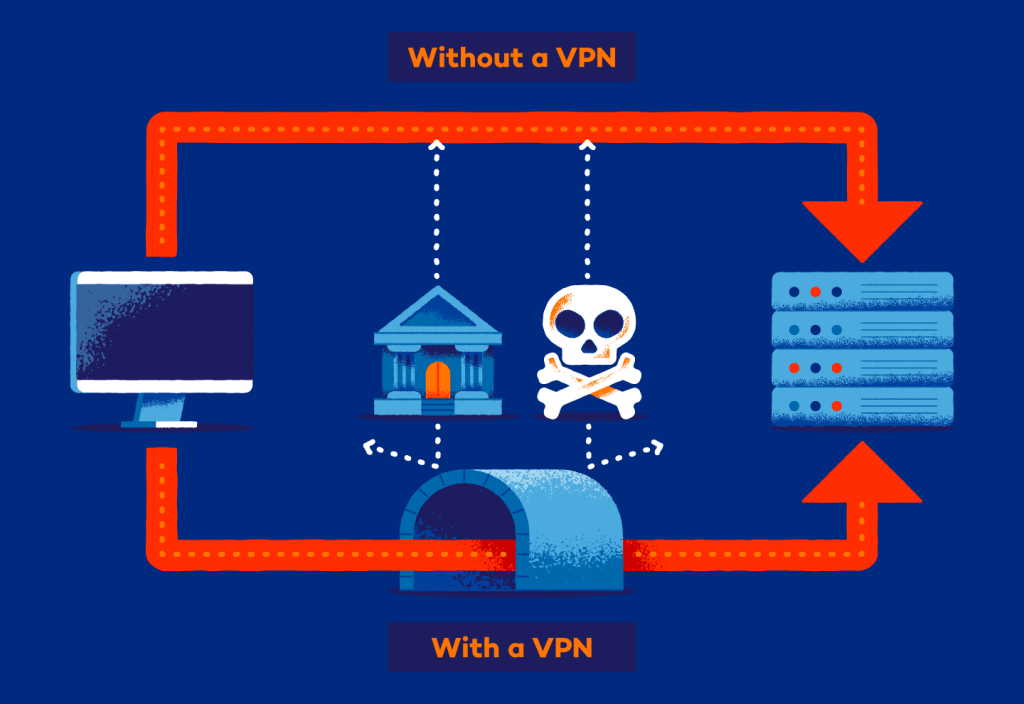
Few tools in cybersecurity inspire more misplaced comfort than the VPN.
We picture it as an invisibility cloak or a tunnel of safety where no one can see us, track us, or touch our data. Turn it on, and suddenly you’re “secure.”
That feeling of control is powerful, especially in a world that never stops reminding you how unsafe the internet supposedly is.
But here’s the quiet truth: a VPN protects you from some things, not from everything.
It’s a tool, not a shield.
What VPNs Actually Do
At its core, a VPN (Virtual Private Network) encrypts your internet traffic and routes it through a secure server. It hides your IP address and protects your data from casual snooping, especially on public Wi-Fi.
That’s useful, but not magic.
VPNs do not:
- Protect you from phishing or malware
- Stop you from logging into fake sites
- Prevent data collection once you’re signed in somewhere
If your VPN provider keeps logs or has weak security, your trust shifts from the ISP to them.
So yes, a VPN helps. But only if you understand where its power ends.
Safety Theater for the Digital Age
VPNs scratch a deep psychological itch: the need to feel safe, even when we can’t verify it.
They’re the digital equivalent of locking your front door but leaving the windows open, a visible act that soothes anxiety without addressing every risk.
That invincibility leads many to take more risks online. This risk compensation means perceived safety can spark riskier behavior.
Real security isn’t about hiding. It’s about awareness.
Where Comfort Becomes Complacency
The most significant problems with VPN use aren’t technical; they’re behavioral.
- Blind trust in providers. Some “free” VPNs monetize your data rather than protect it.
- Performance trade-offs. Slower speeds lead people to disable it, often forgetting to turn it back on.
- Assumed anonymity. Logging into your personal accounts still links behavior to identity.
- Neglected basics. Users skip updates or MFA because “I’ve got a VPN.”
The tool becomes a crutch, and that comfort can cost you more than the subscription.
Layer, Don’t Lean
A VPN should be part of a layered defense, not its foundation.
Here’s how to use it wisely:
- Choose providers with no-log policies and independent audits
- Keep software updated. VPNs rely on encryption protocols that age fast
- Use MFA everywhere. A VPN won’t save a stolen password
- Understand context. VPNs are best for travel, remote work, and untrusted networks — not daily browsing at home
Security isn’t about hiding behind one tool. It’s about stacking the right ones.
Culture Over Blame — Moving Past Security Myths
The VPN story mirrors how we approach most security advice: quick fixes over long habits.
Instead of mocking people for misunderstanding what VPNs do, we can use that comfort as a bridge: “Good start. Now let’s talk about the rest.”
Awareness grows when education feels empowering rather than condescending. The goal isn’t to shame people for feeling safe; it’s to help them feel safe for the right reasons.
Final Thought
A VPN isn’t a vault; it’s just a smaller door to the same big house. Use it, respect it, but don’t mistake a single layer for complete protection.
Real protection isn’t invisible. It’s intentional. That’s not pessimism, that’s just good sense.
 Matt Shannon, Security Pro