The Myth of the “Security Checklist”
If you believed every cybersecurity headline, you’d think staying safe online takes a PhD, three apps, and a daily ritual in front of your firewall.
The security industry profits from this complexity. Vendors want you to believe that protection requires their latest tool, their proprietary solution, their 27-step implementation guide. More complexity means more products to sell.
But real security doesn’t look like that. It’s not about chasing every threat or memorizing every acronym. It’s about simple, repeatable habits. It’s the digital version of brushing your teeth.
Here’s the truth they don’t want you to hear: You don’t need to do everything. You just need to do the right things, consistently.
That’s cyber hygiene. And it’s boring on purpose.
The Habits That Actually Matter
Most people already know the broad strokes: use strong passwords, update software, don’t click weird links.
But here’s what actually moves the needle:
- Multi-Factor Authentication (MFA). Still, the single best defense against credential theft.
- Software updates. Patches close the doors that attackers love to walk through.
- Password managers. Better one secure vault than 20 weak logins.
- Backups. One local, one in the cloud, test them once in a while.
- Device lock and encryption. Lost phones shouldn’t equal lost data.
That’s it. No mystery. No 27-step plan. Just a few habits that, when done daily, make 95% of attacks irrelevant.
In 2017, Equifax was breached because they didn’t patch a known vulnerability for two months. 147 million records compromised. The fix? A software update they already knew about. That’s not sophisticated hacking, that’s skipped hygiene at a catastrophic scale.
The basics aren’t basic because they’re easy to remember. They’re basic because when you skip them, everything else fails.
Why We Skip Simple Stuff
It’s not that people don’t know what to do. It’s that security doesn’t feel urgent until it’s too late.
You don’t see or feel the benefits of good hygiene, but you definitely avoid the pain of neglect. No one cheers when you floss. But everyone will notice that broccoli in your teeth if you don’t.
But there’s more to it than just invisible benefits. Three psychological forces work against cyber hygiene:
Optimism bias. “It won’t happen to me” is a powerful drug. You read about breaches happening to other people, other companies, other industries. Your brain quietly files those stories under “someone else’s problem.” Until it isn’t.
Decision fatigue. You have 47 accounts, each with different password requirements, different MFA setups, and different update schedules. The sheer volume of security decisions creates paralysis. So you do nothing, or you take shortcuts, the same password everywhere, “remind me later” on every update.
The invisible threat problem. You can see a locked door. You can’t see a botnet probing your network. Physical security has visual feedback like locks, gates, cameras. Digital security is abstract until the moment it fails catastrophically. And by then, it’s too late.
Cyber hygiene fails for the same reason flossing does: it’s easy to skip, hard to see the benefit, and the consequences feel distant. But unlike cavities, breaches don’t announce themselves with pain. They’re silent, patient, and devastating.
The trick is to make it small enough that you’ll actually do it, and easy enough that you won’t skip it.
Where Good Intentions Break Down
Even security-conscious folks sometimes miss the basics. Not because they’re careless, but because these gaps accumulate slowly, invisibly:
Outdated hardware. That router you set up five years ago? It stopped receiving security patches three years ago. Old devices become permanent vulnerabilities.
Shadow data. Files saved “temporarily” on random drives, USB sticks, or that personal Dropbox you forgot you created. Every copy is another attack surface.
Forgotten accounts. That forum you joined in 2014. That trial subscription you never canceled. Dormant logins are open doors with your email and password sitting in some leaked database.
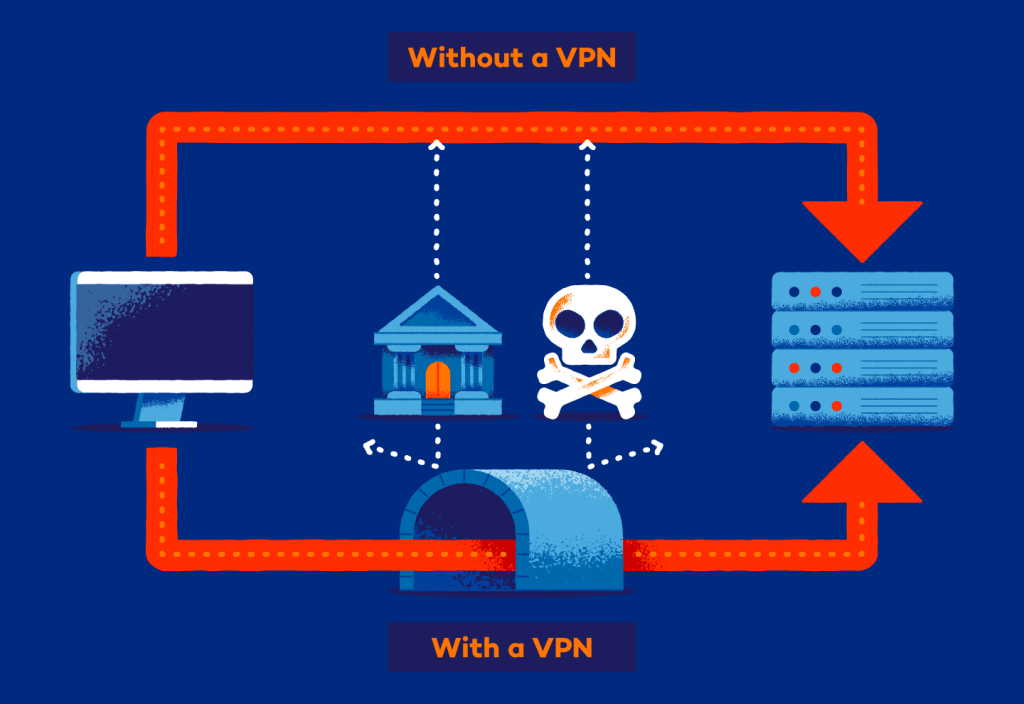
Public Wi-Fi comfort. You use a VPN at the airport but not at the coffee shop. Inconsistent protection is predictable behavior and attackers love predictability.
You don’t have to fix everything today. Just start closing one gap at a time. Audit your accounts quarterly. Replace hardware that can’t be updated. Consolidate your data.
Security isn’t perfection. It’s progress. And progress happens one boring habit at a time.
Think of it this way: cyber hygiene is like compound interest, make small deposits now, get massive protection later. Skip the deposits, and you’re borrowing against a future breach.
Make Security Boring (That’s the Point)
The goal isn’t to turn security into a project, it’s to make it routine. Boring. Automatic. The kind of thing you do without thinking, like locking your car.
Here’s a weekly checklist that actually sticks:
- Monday: Check updates and patches. Five minutes. Coffee in hand. Start the week secure.
- Wednesday: Backup your files. Set it, forget it, verify it works.
- Friday: Review new apps or accounts, prune what you don’t use. Close the week by closing gaps.
That’s 10 minutes a week. Three touchpoints. No drama. No heroics.
If you can manage that, you’re already ahead of most organizations. Not because you’re doing something extraordinary because you’re doing something sustainable.
Security should be quiet. The less you think about it, the better it’s working. The moment it becomes a production, it becomes optional.
Culture Over Blame, Turning Awareness Into Habit
People don’t need more fear. They need better routines.
I’ve seen teams transform their security posture not through mandates, but through modeling. One security lead I worked with started every Monday standup by sharing what he patched over the weekend, not as a flex, just as routine. Within a month, the team was comparing notes on password managers and backup strategies. Security became a shared practice, not a compliance checkbox.
Encourage coworkers, friends, or family to treat digital hygiene like health hygiene, it’s a shared standard, not a personal burden. When one person in a household sets up MFA, others notice. When a team lead mentions their weekly backup routine, it normalizes the behavior.
When leaders model small, consistent habits, teams follow. Security doesn’t start in policy documents; it begins in daily rhythm. And rhythm spreads.
Make it normal. Make it boring. Make it easy.
Final Thought
Cyber hygiene isn’t glamorous, but it’s the backbone of every good security posture.
You don’t need to understand encryption or chase every breach headline.
You just need to do the basics, on time, every time.
The security industry wants you to believe protection is complicated because complexity sells. But the truth is simpler and cheaper: consistent habits beat expensive tools every time.
Prevention doesn’t shout. It just works.
That’s not pessimism, that’s just daily discipline. And it’s boring, and effective, on purpose.
 Matt Shannon, Security Pro