
Meal prep gets talked about so much these days, you’d swear it’s a personality trait. It’s always rigid, joyless, and maybe just a little smug. But the truth is, prepping food isn’t about discipline for its own sake. It’s about simplifying the week so you can think less about logistics, saving money, and staving off adverse health effects, and more about living your life.
While you’ll often see phrases like “may help” or “might improve” online, real data and everyday experience show what actually works. Here’s what makes a real difference for people like us.
Myth #1: “Meal prep means eating the same thing every day.”
Reality: Meal prep doesn’t mean you have to eat chicken and rice every day until you’re sick of them. The real goal is to make healthy choices easy and convenient.
Try prepping ingredients instead of full meals. Grill or roast some proteins, cook a few types of carbs, and chop up veggies. Then, mix and match them throughout the week—maybe smoked salmon over greens one day, steak and rice another, or yogurt with fruit when you need something quick.
What “the science” says: Research from the International Journal of Behavioral Nutrition and Physical Activity found that people who plan their meals tend to have more diverse diets — not less. It’s the planning that makes variety possible, not spontaneity.
Myth #2: “Prepping takes too much time.”
Reality: Spending a few hours on Sunday or Saturday can save you from stressful evenings all week. Even just washing produce, boiling rice, or portioning fruit ahead of time can make your weekdays much easier.
And it’s not just about time. People who spend even 30–60 minutes a day preparing food eat more vegetables and fruit (University of Washington research, 2014).
The time’s going somewhere either way, you can spend it prepping intentionally, or you can spend it waiting in drive-thrus.
Myth #3: “Meal prep is only for people trying to lose weight.”
Reality: That idea is just a marketing myth. Meal prep isn’t only for losing weight. It helps you avoid making poor choices when you’re hungry and supports your long-term health.
Sure, portion control helps. But more importantly, prep stabilizes your energy and makes fueling performance automatic. Whether you’re lifting, coding, or commuting, your brain and body both need steady inputs.
Home-prepped meals consistently come in lower in sodium and saturated fat, not because they’re “diet food,” but because you’re in charge of the ingredients.
You’re not dieting; you’re planning to succeed, not to fail. When in doubt, always rely on PPP, proper prior planning, and it’ll save you in countless scenarios.
Myth #4: “It’s cheaper to just grab takeout.”
Reality: The numbers don’t lie. Data from the American Journal of Preventive Medicine shows that people who cook at home spend significantly less on food than those who eat out. Prepping helps you shop with purpose, so you buy only what you need. You waste less food and make your ingredients go further.
Pro tip: Using convenience items still counts as meal prep. Things like pre-washed greens, frozen veggies, frozen fruits, or rotisserie chicken can make things easier. Being efficient is smart, not cheating.
Myth #5: “Healthy meal prep means going ‘Paleo,’ ‘keto,’ or you’re “cutting carbs.”
Reality: Restrictive eating styles burn people out. The goal is consistency, not purity. You don’t have to eliminate carbs, especially if you train. Always remember, persistence over perfection.
Your brain and body work best with carbs. Foods like fruits, vegetables, potatoes, and white rice help you perform and recover, especially if you’re working out.
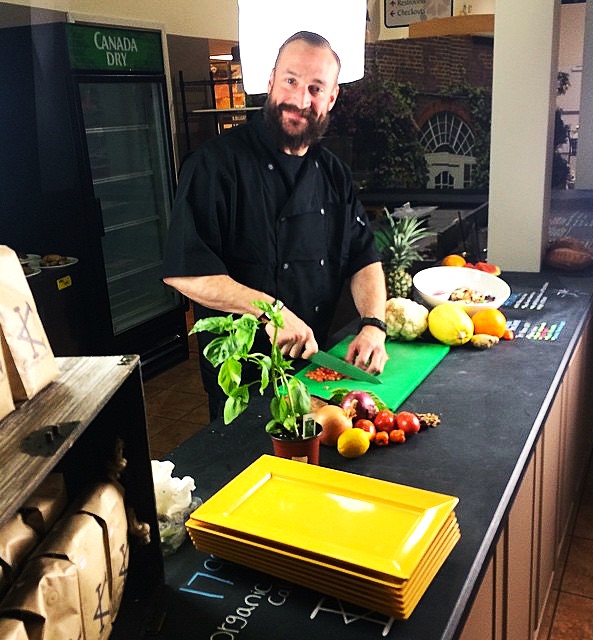
We eat well today for optimal performance tomorrow.
Whether your training is on the mats, in the gym, or at your desk, food is fuel, not a moral test.
The Bottom Line
Meal prep isn’t about being perfect, it’s about being consistent. It’s a simple way to get back your energy, time, and control in a world full of distractions. Eat well, keep your plans simple, and stick with what works.
Progress comes from following through, not from always trying something new.
 Matt Shannon, Security Pro